Synthetic Pesticides vs Organic Pesticides- The Truth About Safety
Gardening is more than just a pastime — it’s a way to nourish both the body and soul. Whether you’re growing vibrant flowers, fresh vegetables, or aromatic herbs, keeping pests at bay is a necessary part of the process. However, choosing the right pest control method is not always straightforward. The debate between synthetic pesticides vs organic pesticides has sparked considerable discussion, especially when it comes to safety.
Many home gardeners wonder: which option poses the least risk to human health, pets, and the environment? Can organic pesticides truly protect plants without unintended consequences? And are synthetic pesticides really as dangerous as some reports claim?
To make an informed choice, it’s essential to understand how these pesticides work, their effects on health and the environment, and their overall effectiveness in pest control. Let’s take a closer look at the science behind these pest-fighting tools and uncover the truth about their safety.
What Are Synthetic Pesticides?

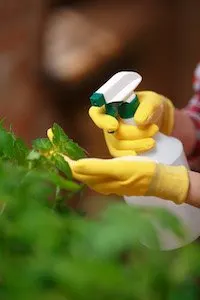
Synthetic pesticides are chemically engineered compounds designed to kill, repel, or inhibit the growth of unwanted organisms. They’re widely used in both industrial agriculture and home gardening due to their fast-acting nature and broad-spectrum efficacy.
There are several types of synthetic pesticides, each formulated for specific functions:
- Insecticides: Combat harmful insects (e.g., neonicotinoids, organophosphates)
- Herbicides: Target unwanted weeds and plants (e.g., glyphosate, atrazine)
- Fungicides: Prevent mold and fungal diseases (e.g., chlorothalonil)
- Rodenticides: Control rodent populations (e.g., warfarin, bromadiolone)
Synthetic pesticides work by disrupting biological processes in pests, often affecting their nervous system, reproductive cycle, or metabolism. While this makes them highly effective, the same mechanisms can inadvertently harm non-target species, including beneficial insects, pets, and even humans.
The Downsides of Synthetic Pesticides
Despite their efficiency, synthetic pesticides come with a range of risks:
- Environmental Contamination: Many synthetic pesticides don’t break down easily and accumulate in ecosystems, leading to contamination of soil, waterways, and even the atmosphere. Pesticide runoff can pollute rivers and lakes, harming aquatic life and disrupting delicate ecological balances.
- Harm to Non-Target Organisms: Many synthetic pesticides have unintended consequences, affecting beneficial insects like bees, butterflies, and earthworms. For example, neonicotinoids have been linked to bee colony collapse, threatening global pollination and biodiversity.
- Health Risks to Humans: Repeated exposure to synthetic pesticides has been associated with respiratory issues, endocrine disruption, neurological disorders, and even cancer. Farmworkers and those living near treated areas face the highest risks, but pesticide residues in food can also pose dangers to consumers. Additionally, some synthetic pesticides, like glyphosate, have been detected in human food, raising concerns about long-term exposure.
- Development of Resistant Pests: Overuse of synthetic pesticides can lead to “super pests” that develop resistance, requiring even stronger chemicals to control them, creating a vicious cycle of increasing pesticide dependency.
Given these concerns, many gardeners are turning to organic alternatives in search of a safer solution. But do organic pesticides truly offer a risk-free alternative?
Understanding Organic Pesticides


Organic pesticides are derived from natural sources such as plants, minerals, or microbes. They’re designed to be less harmful to humans and the environment while still providing protection against pests. Some well-known organic pesticides include:
- Neem oil – Extracted from the neem tree, this oil disrupts insect reproduction and feeding habits.
- Diatomaceous earth – A natural powder made from fossilized algae that dehydrates insects upon contact.
- Bacillus thuringiensis (Bt) – A naturally occurring soil bacterium that produces toxins lethal to specific insects, commonly used against caterpillars and mosquitoes.
- Copper – A mineral-based fungicide used to prevent fungal diseases like mildew.
- Pyrethrin – Derived from chrysanthemum flowers, this compound affects insect nervous systems but breaks down quickly in sunlight.
Unlike synthetic pesticides, organic pesticides generally have lower toxicity levels and degrade more rapidly in the environment. However, this doesn’t mean they’re completely safe.
Related: How to Make Your Yard a Bee-Friendly Sanctuary
Some organic pesticides, such as rotenone (once widely used but now restricted), have been linked to serious health effects. Additionally, because organic pesticides are often less potent than synthetic ones, they may require more frequent application.
Synthetic Pesticides vs Organic Pesticides: Human Health Impacts
One of the primary concerns when using pesticides — synthetic or organic — is their effect on human health. While synthetic pesticides often undergo extensive testing, research has revealed potential risks, particularly with long-term exposure.
Health Risks of Synthetic Pesticides
- Hormone Disruption – Chemicals like atrazine and neonicotinoids can interfere with the endocrine system, affecting hormone production and balance.
- Neurological Effects – Some pesticides have been linked to cognitive issues, especially in children and farmworkers with prolonged exposure.
- Carcinogenic Concerns – Studies have suggested links between certain pesticides and increased risks of cancer, particularly non-Hodgkin’s lymphoma.
Health Risks of Organic Pesticides
While organic pesticides are often perceived as safer, some pose mild to moderate health risks, particularly if overused or misapplied:
- Skin and respiratory irritation – Neem oil and pyrethrins can cause irritation if inhaled or applied directly to the skin.
- Toxicity in large doses – Some organic compounds, like copper sulfate (used in organic fungicides), can be harmful to humans if ingested in large quantities.
The key difference is that organic pesticides tend to break down faster and leave fewer lasting residues on food and in the environment. However, both synthetic and organic pesticides should be used with proper precautions, including gloves, masks, and correct dilution.
Synthetic Pesticides vs Organic Pesticides: Environmental Impact
The environmental footprint of pesticides is another major consideration, as their effects extend beyond just the targeted pests.
Synthetic Pesticides and Environmental Harm
- Harm to pollinators – Neonicotinoids and other insecticides have been strongly linked to bee population decline.
- Soil and water contamination – Many synthetic pesticides persist in the soil for months or even years, disrupting microbial life and contaminating groundwater.
- Bioaccumulation – Some chemicals build up in the bodies of animals, leading to long-term ecological consequences.
Organic Pesticides and Sustainability
While organic pesticides generally have a lower environmental impact, they’re not entirely risk-free.
- Some organic pesticides can still affect pollinators if applied improperly.
- Copper-based fungicides can accumulate in the soil and disrupt beneficial microbial activity.
- Frequent applications may be necessary since organic pesticides degrade quickly, potentially leading to overuse.
Overall, organic pesticides are the better environmental choice, but proper application techniques are still crucial to prevent unintended damage.
Synthetic Pesticides vs Organic Pesticides: Effectiveness in Pest Control


From a practical standpoint, synthetic pesticides often provide faster, stronger pest control. They’re engineered to act quickly and eliminate infestations with minimal effort.
However, this efficiency comes at a cost. Over time, pests can develop resistance, making it necessary to use even more potent chemicals.
Related: How to Make Highly Effective Natural Garden Pesticides
Organic pesticides, while often slower-acting, work in harmony with nature rather than against it. They support a more balanced ecosystem, allowing natural predators (like ladybugs and predatory wasps) to help control pest populations.
When combined with companion planting, crop rotation, and physical barriers, organic methods can be just as effective as synthetic ones in the long run.
Regulatory Standards and Safety Measures
Both synthetic and organic pesticides must meet safety standards before they can be sold or applied. Agencies such as the Environmental Protection Agency (EPA) and the European Food Safety Authority (EFSA) conduct extensive testing to evaluate pesticide toxicity, environmental impact, and human exposure risks.
Key regulatory measures include:
- Maximum Residue Limits (MRLs): Governing bodies set limits on how much pesticide residue can remain on food to ensure consumer safety.
- Application Guidelines: Farmers and pesticide applicators must follow strict guidelines regarding dosage, timing, and protective equipment.
- Bans and Restrictions: Pesticides that pose significant risks (such as DDT and certain organophosphates) have been banned or heavily regulated in many countries.
However, regulation alone doesn’t eliminate risk. The safest approach is to minimize pesticide reliance whenever possible.
The Best Approach for Safe Pest Management
Instead of choosing between synthetic and organic pesticides, the most effective solution is to adopt Integrated Pest Management (IPM). This is a holistic approach that combines multiple strategies to reduce pest populations while minimizing chemical use.
Key IPM techniques include:
- Biological Control: Introducing natural predators (e.g., ladybugs for aphids, nematodes for soil pests).
- Crop Rotation: Alternating crops to prevent pest infestations.
- Trap Crops: Planting certain plants to lure pests away from primary crops.
- Soil Health Management: Enriching soil with organic matter to boost plant resilience.
By focusing on prevention rather than heavy pesticide reliance, IPM offers a sustainable, long-term solution that balances agricultural productivity with environmental and human health concerns.
Choosing Synthetic Pesticides vs Organic Pesticides for Your Garden
When it comes to safety, organic pesticides are generally the better choice since they offer fewer risks to human health and the environment. Synthetic pesticides, while effective, can introduce significant risks if used irresponsibly.
However, organic pesticides are not without drawbacks. Careful application is a must to maximize their benefits.
As a home gardener, your goal should be to cultivate a thriving, resilient garden without harming yourself, your loved ones, or the planet. By making informed decisions and exploring alternative pest control methods, you can create a lush, healthy garden that flourishes naturally.
More Helpful Tips for a Thriving Garden
Did you find this information on synthetic pesticides vs organic pesticides helpful? Are you looking for other amazing tips that can help you grow your best garden ever? Then please be sure to take a look at some of our other popular posts:
- How to Start a Balcony Garden for Beginners
- When to Start Seeds Indoors for a Flourishing Garden
- 15 Drought-Tolerant Vegetables for Your Summer Garden
- The Best Medicinal Herbs to Grow in Your Garden


