Can You Grow Peppers Inside?
There’s something so satisfying about picking a fresh, vibrant pepper right from your own home, especially when it’s growing just a few steps away in your kitchen or living room. If you’ve ever wondered how to grow peppers inside, you’re in for a fun and surprisingly rewarding journey.
The truth is, you don’t need a big backyard or perfect weather to enjoy homegrown peppers. Instead, you just need a little know-how and the right setup.
In this guide, I’m going to walk you through everything you need to know to successfully grow peppers indoors, even if you’re a complete beginner. Whether you’re hoping to add fresh flavor to your meals, reduce your grocery trips, or simply bring a little more green into your home, growing peppers inside is a simple, sustainable step that makes a big difference.
Also, don’t forget that if you’re ready to start your own indoor pepper garden, having a simple plan makes everything so much easier. I use a printable garden planner every year to keep track of planting dates, watering schedules, and what’s actually working, and it has been a total game changer for growing healthy, thriving plants. If you want to stay organized and feel more confident as you grow, you can check it out here.
Best Pepper Varieties for Indoor Growing
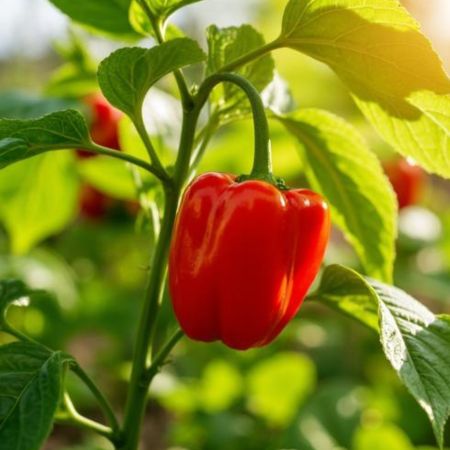
Not all pepper plants grow the same way, and choosing the right variety can make a huge difference when you’re growing indoors. Some peppers naturally stay compact and manageable, which is exactly what you want for indoor spaces.
In my experience, smaller varieties tend to do best inside. Think chili peppers, jalapeños, mini bell peppers, or ornamental peppers. These plants don’t need as much space, and they still produce a really generous harvest.
Related: Can You Grow Tomato Plants Inside?
Larger bell pepper plants can still be grown indoors, but they usually need bigger containers, more light, and a little extra care. If you’re just getting started, I’d recommend beginning with a smaller variety so you can build confidence and see success more quickly.
Another thing to keep in mind is how you plan to use your peppers. If you love cooking with a bit of heat, chili peppers are a great choice. If you prefer something milder and family-friendly, mini sweet peppers are perfect.
Choosing the right variety sets the tone for your entire indoor garden, so this is one step you don’t want to rush. Start simple, and you can always expand later.
Choosing the Right Containers for Indoor Peppers

When you’re growing peppers indoors, your container choice matters more than you might think. Since your plants won’t have unlimited space to spread their roots, the container becomes their entire growing environment.
I like to use pots that are at least 10-12 inches deep for most pepper plants. This gives the roots enough room to grow strong and support healthy fruit production. If you’re growing smaller varieties, you can sometimes get away with slightly smaller pots, but in general, bigger is better.
Related: Is it Possible to Grow Strawberry Plants Indoors?
Drainage is one thing you absolutely don’t want to overlook. Make sure your container has drainage holes at the bottom so excess water can escape.
Peppers don’t like sitting in soggy soil. Too much moisture can lead to root rot pretty quickly.
I personally love using simple terracotta pots because they help wick away excess moisture, but any container will work as long as it drains well. You can even repurpose things you already have at home, which is a great eco-friendly option.
Choosing the right container sets your plants up for success from the very beginning, and it makes everything else, like watering and maintenance, so much easier.
The Best Soil for Healthy Pepper Plants


Healthy soil is really the foundation of strong, productive pepper plants. When you’re growing indoors, you can’t rely on garden soil, so choosing a high-quality potting mix makes all the difference.
I always look for a light, well-draining organic potting mix. Peppers like soil that holds some moisture but doesn’t stay wet for too long. A good mix will feel soft and airy, not heavy or compacted.
You can make your soil even better by adding natural ingredients like compost or worm castings. These give your plants a gentle boost of nutrients and help support long-term growth. It’s one of my favorite ways to keep things both effective and eco-friendly.
Avoid using soil from your yard, even if it seems convenient. It can bring in pests or diseases. Also, it usually doesn’t drain well enough for container plants.
When your soil is healthy, everything else becomes easier. Your plants grow stronger, produce more peppers, and are better able to handle small changes in their environment. It’s one of those simple choices that has a big impact over time.
How Much Light Peppers Need to Thrive Indoors
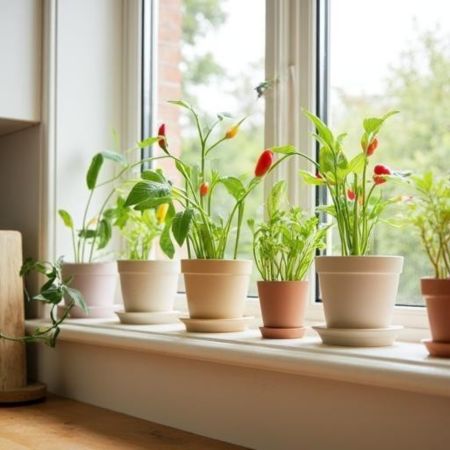
Light is one of the most important pieces of the puzzle when it comes to growing peppers indoors. Without enough light, your plants might grow slowly, look leggy, or struggle to produce fruit.
Peppers love bright, direct sunlight. Ideally, you’ll want to place them near a south-facing window where they can get at least 6-8 hours of sunlight each day. If you have a really sunny spot, even better, your peppers will absolutely thrive there.
I’ve found that rotating your plants every few days can help them grow more evenly, since they naturally lean toward the light source. It’s a small step, but it makes a noticeable difference over time.
If your home doesn’t get enough natural light or you’re trying to grow peppers inside during the shorter winter months, don’t worry. You still have options by using grow lights.
A grow light can make a huge difference when growing an indoor garden. It takes the guesswork out of lighting and gives your plants exactly what they need to grow strong and produce fruit. If your peppers look pale, stretched out, or aren’t flowering, that’s usually a sign they need more light.
The good news is that grow lights don’t have to be complicated or expensive. A simple LED grow light placed a few inches above your plants and kept on for about 12-14 hours a day to mimic long, sunny days can completely transform their growth.
Once you get the lighting right, everything else tends to fall into place. Your plants will look healthier, grow faster, and reward you with beautiful, colorful peppers right inside your home.
Step-by-Step How to Plant Pepper Seeds Indoors


Starting peppers from seed might sound intimidating at first, but it’s actually a really simple and rewarding process. There’s something special about watching a plant grow from the very beginning.
- Start the Seeds- Begin by filling small containers or seed trays with a light, well-draining potting mix. Gently press one or two seeds into each cell, about a quarter-inch deep, then cover them lightly with soil.
- Keep Them Warm- Peppers love warmth when they’re germinating, so placing your trays in a warm spot can help speed things up. Options can include near a sunny window or even on top of the refrigerator where it stays slightly warmer.
- Keep the Soil Moist- Keep the soil consistently moist, but not soggy. I like to mist the surface or water gently so the seeds don’t get disturbed. In about 7-14 days, you should start to see tiny sprouts pushing through the soil.
- Transplant Once Bigger- Once your seedlings have a few sets of true leaves, you can transplant them into larger containers. This is where things start to get exciting, because now you’re on your way to growing full pepper plants right inside your home.
Starting from Seed vs. Buying Seedlings

One question I hear a lot is whether it’s better to start peppers from seed or just buy young plants. The truth is, both options can work really well, it just depends on what kind of experience you’re looking for.
Starting from seed is definitely more budget-friendly, and it gives you access to a wider variety of peppers. It’s also incredibly satisfying to grow your plants from the very beginning. If you enjoy the process and don’t mind waiting a little longer, this can be a really rewarding option.
Related: When Is the Right Time to Start Your Seeds Indoors?
On the other hand, buying seedlings can save you time and effort. You’re already starting with a small, established plant, which means you can skip the germination stage and get closer to harvest more quickly. This is a great choice if you’re new to indoor gardening or just want faster results.
I’ve done both, and I honestly think there’s value in each approach. If you’re just getting started, you might even try one of each to see what you enjoy most.
There’s no right or wrong choice here. It’s all about what fits your lifestyle and how hands-on you want to be with your indoor garden.
Watering Your Indoor Pepper Plants the Right Way
Watering is one of those things that seems simple, but it can make or break your indoor pepper plants. The goal is to keep the soil consistently moist without letting it become soggy.
I like to check the soil by sticking my finger about an inch down. If it feels dry, it’s time to water. If it still feels damp, I give it another day or two. This simple habit has helped me avoid overwatering more times than I can count.
Related: How to Successfully Grow Green Beans Indoors
When you do water, make sure you’re watering deeply enough that it reaches the roots. You should see a little water draining out of the bottom of the pot, which is a good sign that the entire root system is getting hydrated.
One thing I always try to avoid is letting the plant sit in standing water. Empty any saucers after watering so the roots don’t stay too wet.
Once you get into a rhythm, watering becomes second nature. Your plants will start to show you what they need, and you’ll feel more confident knowing you’re giving them just the right amount.
The Best Temperature and Humidity for Growing Peppers Inside
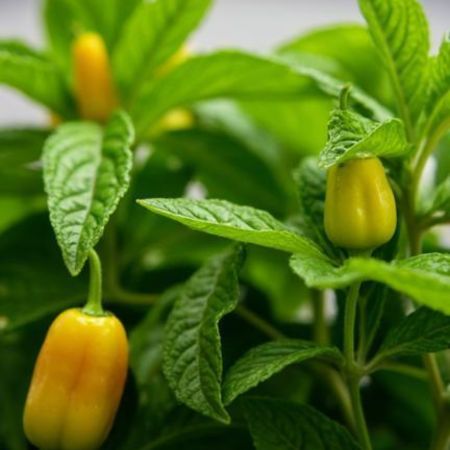
Peppers are warm-weather plants, so creating a cozy indoor environment really helps them thrive. Ideally, you’ll want to keep your home between 70-80°F during the day, with slightly cooler temperatures at night.
I’ve noticed that peppers don’t love sudden temperature changes, so try to keep them away from drafty windows, air vents, or doors that open frequently. A stable environment goes a long way in keeping your plants happy.
Humidity can also play a role, especially if your home tends to be dry. While peppers aren’t extremely picky, they do appreciate a bit of extra moisture in the air. If you notice the leaves looking dry or curling slightly, low humidity could be the cause.
You can increase humidity by placing a small tray of water near your plants or grouping plants together to create a more humid microclimate. Even something as simple as occasionally misting nearby (not soaking the leaves) can help.
When you get the temperature and humidity just right, your pepper plants will grow more steadily and produce more consistently. It’s all about creating that warm, comfortable environment they naturally love.
How to Fertilize Indoor Pepper Plants Naturally
When you’re growing peppers indoors, your plants rely on you for nutrients since they can’t pull anything extra from the ground. The good news is, feeding them naturally is simple and really effective.
I like to use a gentle, organic fertilizer every couple of weeks once the plant is established. Something balanced works well in the early stages. Once your plant starts flowering, switching to a fertilizer that supports blooms and fruit can make a big difference.
One of my favorite eco-friendly options is adding a small amount of compost or worm castings to the top of the soil. It slowly feeds the plant over time and helps keep everything healthy without any harsh chemicals.
You can also use natural liquid fertilizers like compost tea or diluted fish emulsion. These give your plants a quick boost when they need it most.
The key is not to overdo it. Too much fertilizer can lead to lots of leafy growth but fewer peppers. Keeping things balanced will help your plant focus on producing healthy, flavorful fruit.
How to Pollinate Pepper Plants Indoors
When peppers are grown outside, pollination happens naturally thanks to bees, wind, and other little helpers. Indoors, though, we have to step in and give nature a hand.
Don’t worry though, it’s actually really easy. Pepper plants are self-pollinating, which means each flower contains both male and female parts.
Once your pepper plant starts producing flowers, you can gently help move the pollen from one flower to another. I usually do this by lightly shaking the plant every day or two, which mimics the effect of wind.
You can also use a small paintbrush or even your fingertip to transfer pollen between flowers. Just gently touch the center of each bloom and move from one flower to the next.
It might feel a little funny at first, but it works surprisingly well. After a short time, you’ll start to notice tiny peppers forming where the flowers once were.
This step is one of those small but important pieces of indoor gardening. Once you get into the habit, it becomes part of your routine, and it’s so rewarding to see it pay off.
Common Problems When Growing Peppers Indoors and How to Fix Them


Even with the best setup, you might run into a few bumps along the way, and that’s completely normal. Indoor gardening is a learning process, and every challenge is just a chance to get better.
If your plants look tall and stretched out, they’re probably not getting enough light. Moving them to a brighter spot or adding a grow light can fix this pretty quickly.
Yellowing leaves can be a sign of overwatering or poor drainage. Check your soil and make sure your container is draining properly. Letting the soil dry out slightly between watering usually helps.
If your plant is growing well but not producing peppers, it could be due to a lack of pollination or not enough light. Giving your plant a little shake and increasing light exposure can often solve the problem.
Pests are less common indoors, but they can still happen. If you notice small bugs, wiping the leaves gently or using a natural solution like diluted neem oil can help keep things under control.
The key is to observe your plants regularly. They’ll give you clues about what they need. Once you learn to read those signs, everything becomes much easier.
How Long It Takes for Peppers to Grow Indoors
Growing peppers indoors does take a little patience, but it’s absolutely worth the wait. Watching the process unfold is part of what makes it so rewarding.
If you’re starting from seed, it usually takes about 7-14 days for the seeds to germinate. After that, your plant will spend several weeks growing leaves and getting established before it starts producing flowers.
Most pepper plants begin flowering around 6-8 weeks after sprouting. Once those flowers are pollinated, small peppers will start to form. From there, it can take a few more weeks for the peppers to fully mature, depending on the variety.
In total, you’re typically looking at around 8-12 weeks from seed to your first harvest. If you start with a seedling instead, you can shave a few weeks off that timeline.
It might feel like a long time at first, but once your plant starts producing, it can continue to give you peppers for months. That steady harvest makes the whole process feel even more worthwhile.
When and How to Harvest Your Peppers
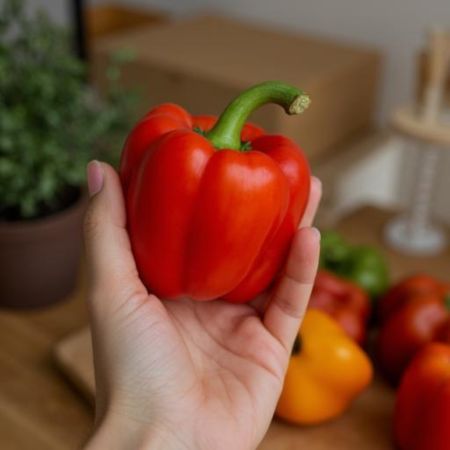
Harvesting is easily one of the most exciting parts of growing peppers indoors. After all your care and patience, this is where you finally get to enjoy the results.
Most peppers can be harvested when they reach their full size and have a firm texture. You can pick them while they’re still green, or let them ripen further into red, yellow, or orange for a sweeter flavor.
I like to use clean scissors or pruning shears to cut the peppers from the plant rather than pulling them off. This helps prevent damage to the plant and keeps it healthy for future growth.
The more you harvest, the more your plant is encouraged to produce. So don’t be shy about picking your peppers once they’re ready.
Tips for Getting Bigger and More Productive Plants
If you want your indoor pepper plants to really thrive and produce more peppers, a few simple tweaks can make a big difference.
One of the best things you can do is pinch off the first few flowers when your plant is still young. I know it feels a little counterintuitive, but this helps your plant focus on growing stronger roots and leaves first. In the long run, you’ll end up with a healthier plant that can support more peppers.
Regular pruning can also help. If your plant starts to look crowded, trimming a few leaves improves airflow and allows more light to reach the entire plant. This keeps everything balanced and encourages steady growth.
Another tip I’ve found helpful is giving your plant a gentle shake every few days, even beyond pollination. It strengthens the stems and mimics natural outdoor conditions.
As with any type of garden, consistency is key. Keeping up with watering, feeding, and light will always give you better results than trying to fix problems later. A little daily attention goes a long way.
Can You Grow Peppers Indoors Year-Round?

One of my favorite things about growing peppers indoors is that you’re not limited by the seasons. With the right setup, you can absolutely grow peppers year-round.
Because you’re controlling the environment, things like frost, extreme heat, or sudden weather changes aren’t a concern. As long as your plants have enough light, warmth, and nutrients, they can continue growing and producing no matter the time of year.
If you’re relying on natural sunlight, you might notice slower growth during the winter months. That’s completely normal. This is where a grow light can really help maintain consistent production throughout the year.
Some pepper plants will continue producing for quite a long time, especially if they’re well cared for. Others may slow down after a heavy harvest, but you can always use seeds from those peppers to start new plants and keep your indoor garden going.
Once you realize you can grow fresh food right inside your home all year long, it really changes the way you think about gardening. It feels more accessible, more flexible, and honestly, a lot more fun.
Final Thoughts on Growing Peppers Indoors
Growing peppers indoors might seem like a big step at first, but once you get started, it quickly becomes one of the most rewarding things you can do in your home. From choosing the right variety to watching those first flowers turn into peppers, every stage of the process brings a sense of connection and accomplishment.
What I love most is how accessible it is. You don’t need a large space, perfect weather, or years of gardening experience. With a little light, some patience, and a bit of care, you can grow fresh, flavorful peppers right in your own home.
If you’ve been thinking about trying it, this is your sign to go for it. Start small, learn as you go, and enjoy the process. Before you know it, you’ll be harvesting your own peppers and wondering why you didn’t start sooner!