Can Strawberry Plants Grow Indoors?
Can You Grow Strawberry Plants Indoors?
If you’ve ever found yourself wondering, “Can strawberry plants grow indoors?” you’re not alone! I remember asking myself the same question when I was craving those sweet, juicy berries but didn’t want to wait for warmer weather.
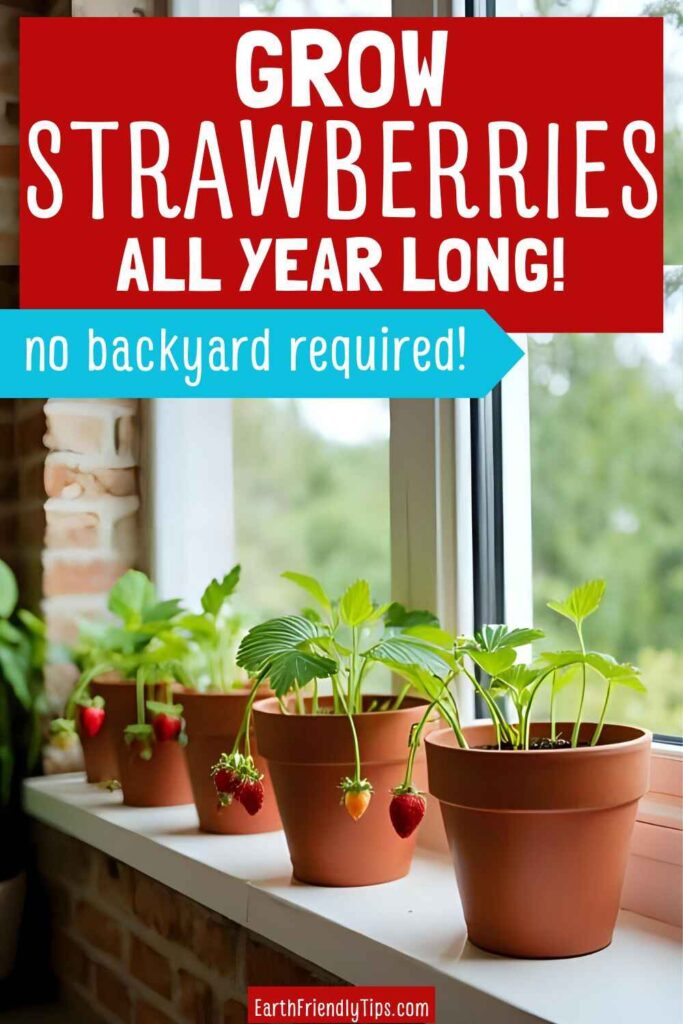
The good news is that you absolutely can grow strawberries indoors, and it’s easier than you might think. With the right setup, a little patience, and a sunny windowsill (or a grow light if you’re short on sunshine), you can enjoy homegrown strawberries all year long.
In this post, I’ll share my favorite tips, simple growing tricks, and a few lessons I’ve learned along the way to help you successfully start your own indoor strawberry garden with no backyard required!
Why Grow Strawberries Indoors?

If you’ve ever wished you could enjoy fresh, sweet strawberries all year long, even when snow covers the ground, growing them indoors is the perfect solution. Not only does it satisfy that craving for homegrown fruit in any season, but it’s also a great way to connect with nature from the comfort of your home.
One of my favorite things about growing strawberries indoors is how little space they actually need. You can grow them on a sunny windowsill, a kitchen counter, or even in a hanging basket near a bright window.
Related: Can You Grow Tomato Plants Indoors? Everything You Need to Know!
Another perk is that you control exactly what goes into your plants. This means no synthetic pesticides or harsh chemicals.
I stick to organic soil and compost, which keeps my strawberries both delicious and eco-friendly. Indoor growing also protects your plants from outdoor pests, birds, and unpredictable weather, giving you healthier plants and a more consistent harvest.
Plus, there’s something incredibly satisfying about picking a ripe berry right from your own living room. It’s a simple joy that brightens even the dreariest winter day.
If you’ve ever doubted whether you can grow strawberries indoors, trust me, once you try it, you’ll wonder why you didn’t start sooner.
Choosing the Right Strawberry Variety for Indoor Growing
When it comes to indoor gardening, not all strawberries are created equal. Some varieties are much better suited for containers and small spaces. Through plenty of trial and error, I’ve found that everbearing and Alpine strawberries are the best options for growing indoors.
Everbearing strawberries produce fruit several times a year instead of just once, which means you’ll have more frequent harvests. Varieties like Seascape and Ozark Beauty do especially well indoors. They’re compact, resilient, and continue to flower with enough light.
Related: Help Your Children Get Into Gardening With These Beginner-Friendly Plants
Alpine strawberries, on the other hand, are smaller but incredibly sweet and fragrant. They’re also less fussy about day length, so you can enjoy their delicate berries even in the darker months.
Avoid large June-bearing varieties for indoor setups, as they need more space and specific light conditions to produce well.
No matter which variety you choose, always look for organic or non-GMO seeds or starter plants. Supporting sustainable sources helps protect pollinators and keeps your home garden chemical-free.
The Best Containers and Soil for Indoor Strawberries
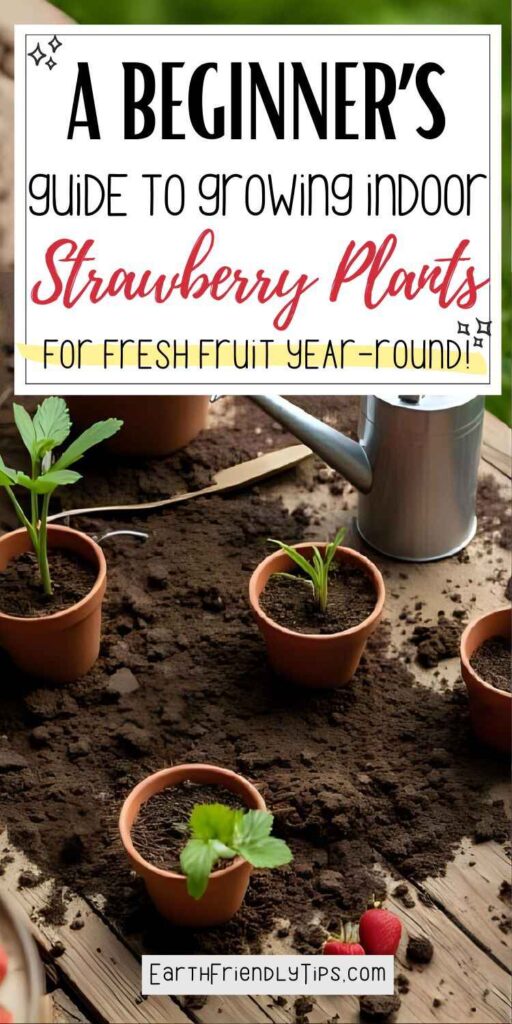
Choosing the right container is one of the most important steps in growing healthy strawberries indoors. I’ve had great success using pots that are 8-10 inches wide and at least 6 inches deep, with good drainage holes at the bottom.
Strawberries hate sitting in soggy soil, so drainage is essential. Hanging baskets, vertical planters, and even recycled ceramic bowls with drainage holes can all work beautifully.
For soil, skip anything labeled “garden soil.” It’s too dense for containers.
Related: How to Grow Pepper Plants Inside
Instead, go for a high-quality organic potting mix blended with compost. I like to mix in a bit of coconut coir or peat-free moss to help with moisture retention while keeping the soil light and airy.
Adding a slow-release organic fertilizer or a small scoop of worm castings when planting gives your strawberries a nutrient boost that lasts for weeks. If you prefer a fully DIY option, you can mix equal parts compost, perlite, and coco coir for a wonderfully rich and sustainable potting blend.
Finally, make sure your container sits on a saucer or tray to catch any excess water. Keeping your setup tidy not only prevents mess but also discourages pests.
Light and Temperature: Creating the Perfect Growing Environment
Light is the biggest challenge when growing strawberries indoors. However, don’t worry, it’s totally manageable!
Strawberries need at least 6-8 hours of bright sunlight daily. If you have a sunny south-facing window, that’s ideal. I keep mine near a large kitchen window where they soak up the afternoon sun.
If your home doesn’t get enough natural light, especially in the winter, I highly recommend using LED grow lights. They’re energy-efficient and simulate the full spectrum of sunlight, helping your plants flower and fruit even in low-light rooms. Position the light about 6-8 inches above the plants, and keep it on for about 10-12 hours a day.
Strawberries prefer moderate temperatures that are between 60°F and 75°F (15°C–24°C). Try to avoid placing them near drafts, radiators, or air vents. They like stable conditions and moderate humidity.
If your air tends to be dry, place a small dish of water near your plants or use a humidifier. A consistent environment helps prevent leaf curling and keeps flowers from drying out.
Once your light and temperature are right, your strawberries will reward you with strong growth and plenty of blooms.
Watering and Fertilizing Your Indoor Strawberry Plants

Watering strawberries indoors is all about balance. Too little and the plants wilt; too much and the roots can rot.
I like to water when the top inch of soil feels dry to the touch. Pour slowly and evenly until water starts to drain from the bottom. Then empty any leftover water in the saucer after about 10 minutes.
Strawberries prefer slightly moist but not soggy soil. During winter or low-light months, you may only need to water once a week.
In summer, it might be every few days. I use a small watering can with a narrow spout so I can direct the water right at the base without soaking the leaves.
For fertilizer, I’ve found that organic liquid fertilizers made from seaweed or fish emulsion work wonders. Feed every 3-4 weeks while the plants are actively growing.
However, make sure you avoid overfeeding. Too much nitrogen can make your plants lush but reduce fruit production. With the right watering rhythm and gentle feeding, your strawberries will stay healthy, green, and ready to bloom.
Pollination Tips for Indoor Strawberries
One thing you might not think about when growing strawberries indoors is pollination. Since you don’t have bees buzzing around your kitchen, you’ll need to step in and give nature a hand!
When flowers start to open, use a small paintbrush or a cotton swab to gently transfer pollen from one bloom to another. Lightly brush the center of each flower in a circular motion, just like a bee would. I usually do this every day or two while the plants are flowering.
You can also gently shake the plant to help spread pollen between flowers. It sounds simple, but it’s surprisingly effective! Without hand-pollination, your plants might produce flowers that never turn into fruit.
Another trick I’ve learned is to keep a small fan nearby on a low setting. The gentle air movement mimics natural wind and helps improve pollination while preventing mold buildup.
Hand-pollinating only takes a few minutes, and it’s such a satisfying part of the process. Within a week or two, you’ll notice tiny green berries forming, which is a sure sign your efforts are paying off.
Harvesting and Enjoying Your Homegrown Strawberries

There’s nothing quite like picking your first ripe strawberry grown entirely indoors. When the berries are bright red all over and slightly soft to the touch, they’re ready to harvest. I like to pick them in the morning when the flavor is at its sweetest.
Use scissors or pinch the stem gently above the fruit to avoid damaging the plant. Fresh strawberries don’t last long once picked, so I usually eat them right away.
If you end up with more than you can eat at once, you can store them in the refrigerator for a day or two, or freeze them for smoothies and desserts.
To keep your plants producing, regularly remove old leaves and runners, which are those little vines that stretch out from the base. This helps the plant focus its energy on growing more flowers and fruit.
After a few harvest cycles, I like to top-dress the soil with a bit of compost or worm castings to refresh the nutrients. With proper care, indoor strawberries can keep producing fruit for up to three years before needing to be replaced.
Common Problems and How to Fix Them Naturally
Even with the best care, indoor strawberries can sometimes run into problems. Fortunately, most are easy to fix naturally.
If your leaves turn yellow, it’s often a sign of overwatering or poor drainage. Let the soil dry out slightly and make sure your pot has adequate holes.
For tiny pests like spider mites or aphids, I like to mist the leaves with a mix of water and a few drops of mild Castile soap. Neem oil is another excellent, plant-safe option.
Related: How to Make Homemade Natural Garden Pesticides
If your plants are not producing fruit, check that they’re getting enough light and that you’re hand-pollinating consistently. Also, avoid over-fertilizing. Too much nitrogen can cause leafy growth instead of flowers.
Fungal issues can happen if the air is too stagnant or humid. A small fan, proper spacing, and avoiding water on the leaves will prevent this.
Using organic methods not only keeps your strawberries safe to eat but also supports a more sustainable growing practice with no harsh chemicals needed.
Growing Strawberries Indoors Is Easier Than You Think
So, can strawberry plants grow indoors? Absolutely! They can also thrive when given a little care and attention.
Growing strawberries inside your home isn’t just about having fresh fruit at your fingertips, although that’s a huge perk! It’s also about reconnecting with nature, no matter the season, and creating something beautiful and sustainable right where you live.
If you’ve been thinking about starting your own indoor strawberry garden, I wholeheartedly encourage you to give it a try.
Start with a small garden. One or two plants are enough to get the hang of it. You can then build from there. You’ll not only enjoy delicious homegrown berries but also reduce your reliance on store-bought produce and cut down on packaging waste.
Indoor gardening is a gentle reminder that sustainable living can be simple and rewarding. So, grab a pot, some organic soil, and a few strawberry plants. Then watch your windowsill come to life with green leaves and red berries. Trust me, once you taste your first homegrown strawberry, you’ll never look back.