The Best Low-Maintenance Homestead Farm Animals
If you’ve ever daydreamed about collecting fresh eggs in the morning or stepping outside to tend a few happy animals, you’re not alone. More and more people are realizing that the best low-maintenance farm animals for an urban homestead make it possible to enjoy a little slice of farm life, even with a small yard, a busy schedule, or strict city limits.
You don’t need acres of land or hours of free time to make this dream work. Urban homesteading is all about being realistic, choosing animals that fit your lifestyle, and keeping things simple instead of overwhelming.
The right animals can provide fresh food, natural pest control, composting help, and a deeper connection to where your food comes from, without turning into a full-time job. If you’ve ever wondered which animals are actually doable in a city or suburban setting, you’re in the right place.
In this post, we’ll walk through practical, beginner-friendly options that thrive in smaller spaces and require minimal daily care. Whether you’re just getting started or looking to add one more animal to your setup, these ideas will help you build a sustainable, low-stress homestead that works with your life, not against it.
1. Chickens

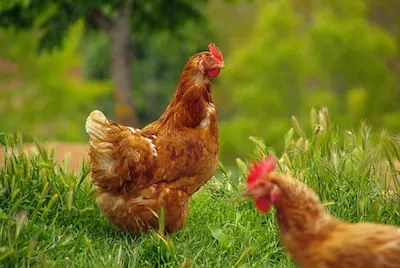
Chickens are often the first animal people think of when dreaming about an urban homestead, and for good reason. They’re hardy, adaptable, and surprisingly easy to care for once you have a basic setup in place. With just a small flock, you can enjoy fresh eggs, reduce food waste, and even improve your garden soil with compostable bedding and manure.
When it comes to regulations, chickens are legal in most cities and suburbs, but rules vary widely. Many areas allow hens but prohibit roosters due to noise.
Some cities limit the number of chickens you can keep or require a permit. Before bringing any home, it’s always worth checking your local zoning laws or HOA guidelines to avoid headaches later.
For space and housing, chickens don’t need a huge yard. A small coop with a secure run can comfortably house a few hens.
As a general rule, plan for about 3 to 4 square feet per chicken inside the coop and 8 to 10 square feet per chicken in the run. A well-designed coop with good ventilation makes daily care quick and easy.
Predator protection is one of the most important considerations. Even in urban areas, chickens can attract raccoons, foxes, hawks, dogs, and even rats. Using hardware cloth instead of chicken wire, securing latches, and covering runs can make a big difference in keeping your flock safe.
As for odors, chickens are surprisingly manageable. A clean coop with proper ventilation and regular bedding changes shouldn’t smell bad at all. Using natural bedding like pine shavings or hemp and spot-cleaning regularly keeps odors under control and neighbors happy.
2. Quail
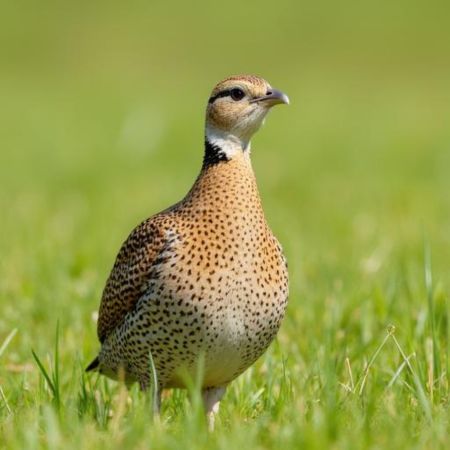

If chickens feel like too much, quail are an excellent alternative for an urban homestead. These tiny birds are incredibly low-maintenance, mature quickly, and are often allowed in places where chickens are not. Their small size makes them ideal for people with limited space or strict city rules.
Regulations are one of the biggest advantages of quail. In many areas, quail are classified as game birds or pets rather than livestock, which can make them legal even in dense urban settings. That said, laws vary by location, so it’s still important to check local ordinances to confirm what’s allowed.
In terms of space and housing, quail need far less room than chickens. They can be kept in stacked cages or small aviaries, making them ideal for patios, garages, or side yards.
Additionally, quail don’t roost like chickens. Instead, they prefer flat flooring, so their housing needs are simple and easy to maintain.
Predator protection is crucial since quail are small and vulnerable. Secure cages with tight wire spacing are a must, especially if they’re kept outdoors. Many urban homesteaders choose to keep quail in enclosed structures for added safety.
When it comes to odors, quail can smell if their bedding isn’t changed regularly, but their small size means waste builds up more slowly. Frequent light cleanings go a long way. Since they’re quiet and discreet, quail are often one of the most neighbor-friendly animals you can keep.
3. Ducks


Ducks are a wonderful option if you want a low-maintenance animal with personality. They’re hardy, disease-resistant, and excellent egg layers, especially in colder or wetter climates. Ducks are also fantastic for natural pest control, particularly if slugs or insects are a problem in your yard.
When it comes to regulations, ducks are often allowed in areas where chickens are permitted, but noise can be a factor. Female ducks are generally quieter, while males are very quiet overall. Checking local rules about livestock and water features is important before committing.
For space and housing, ducks need shelter from wind and predators, but they don’t require elaborate coops. A simple, dry shelter with good airflow works well.
While ducks love water, they don’t need a full pond. A kiddie pool or shallow water container that’s refreshed regularly is usually enough.
Predator protection is similar to chickens, but ducks are especially vulnerable at night. Secure housing with strong latches and predator-proof fencing is essential. Hawks and raccoons are common threats, even in urban areas.
As for odors, ducks are messier than chickens, mainly because of their love for water. Wet bedding can smell if not managed properly.
Using absorbent bedding, improving drainage, and cleaning water areas frequently helps keep odors under control. With a little planning, ducks can still be a great fit for an urban homestead.
4. Rabbits


Rabbits are one of the most underrated low-maintenance farm animals for an urban homestead. They are quiet, odor-light, and can be kept in very small spaces. Whether you’re interested in sustainable meat production or simply want a reliable source of garden-friendly manure, rabbits are a solid option.
Regulations often work in favor of rabbits. Many cities allow them as pets, which makes keeping them much easier from a legal standpoint. Even in areas with strict livestock rules, rabbits are frequently permitted.
For space and housing, rabbits can be kept in hutches, cages, or small enclosed runs. They don’t need much room, but they do need protection from heat, wind, and moisture. Elevated hutches with solid flooring and shaded areas are especially helpful in warmer climates.
Predator protection is essential because rabbits are prey animals. Secure housing with strong wire, solid locks, and covered tops is necessary to protect them from raccoons, dogs, cats, and birds of prey. Many urban homesteaders choose to keep rabbits inside garages or sheds for added safety.
When it comes to odors, rabbits are surprisingly clean. Their manure is dry and low-smell, especially when compared to poultry. Regular cleaning and good airflow keep any odors minimal, making rabbits one of the most neighbor-friendly animals you can keep.
5. Bees

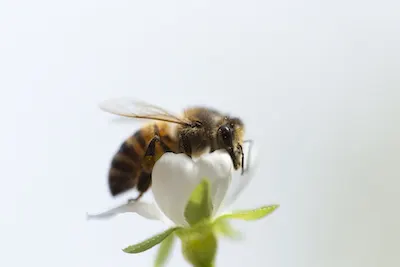
Bees are a unique addition to an urban homestead because they take up very little space while offering huge benefits. They help pollinate gardens, increase food production, and provide honey and beeswax, all with minimal daily care.
Regulations vary widely for beekeeping. Some cities require permits, hive registration, or specific placement rules.
Others allow bees freely as long as certain guidelines are followed. Always check local ordinances and consider talking to nearby neighbors before setting up hives.
For space and housing, bees need very little ground space. A few square feet in a backyard, rooftop, or garden corner is often enough. Hives should be placed in areas with good sun exposure and away from high-traffic zones.
Predator protection for bees is generally minimal in urban areas, though ants, raccoons, and vandalism can be concerns. Hive stands, fencing, and proper placement reduce most risks.
In terms of odors, bees produce no unpleasant smells. Honey and wax scents are typically mild and pleasant. Since bees are quiet and self-sufficient, they’re one of the lowest-maintenance and least intrusive animals you can keep.
6. Miniature Goats


Miniature goats can work well on larger urban or suburban lots when local regulations allow them. They’re smaller than standard goats, friendly, and excellent at clearing weeds and brush.
Regulations are the biggest hurdle with goats. Many cities restrict hoofed livestock, and permits or minimum lot sizes may apply. Always confirm zoning laws before considering goats.
For space and housing, miniature goats need secure fencing and a dry shelter. They don’t need acres of land, but they do need enough room to move, climb, and socialize. Goats are herd animals and should never be kept alone.
Predator protection is critical, especially at night. Strong fencing and locked shelters help protect goats from dogs, coyotes, and other predators.
When it comes to odors, goats are relatively low-smell if their living area is kept clean. Regular manure removal and good ventilation make a big difference. With the right setup, miniature goats can be a rewarding and manageable option for an urban homestead.
Building an Urban Homestead That Fits Your Life


Creating an urban homestead doesn’t have to mean nonstop chores or constant stress. When you choose animals that truly fit your space, schedule, and local regulations, homesteading can feel rewarding instead of overwhelming.
The key is being honest with yourself about what you can realistically manage. Start small, focus on good housing and predator protection, and stay on top of basic cleanliness.
These simple steps go a long way in keeping odors low, animals healthy, and neighbors happy. Urban homesteading works best when it blends into your everyday life rather than taking it over.
Whether you begin with a couple of hens, a small rabbit hutch, or a backyard beehive, each choice moves you closer to a more sustainable lifestyle. Over time, you can adjust, expand, or simplify as needed. With the right animals and a thoughtful setup, your urban homestead can be practical, peaceful, and deeply fulfilling.


