Garden Vegetables to Plant in Summer for a Fall Harvest
When the heat of summer starts to ease up, it’s the perfect time to think about planting fall garden vegetables. I love this transition season because it gives you a second chance to enjoy fresh, homegrown produce before winter sets in.
Even if you think the gardening year is almost over, late summer planting can reward you with crisp greens, hearty roots, and cool-weather favorites that thrive as the temperatures drop. Over the years, I’ve found that planning a little autumn harvest not only stretches the growing season but also keeps my kitchen stocked with fresh ingredients for cozy fall meals.
In this post, I’ll share some of the best vegetables to plant now, along with tips that have worked for me so you can make the most of your fall garden.
Begin With a Garden Planner
Believe it or not, one of the things that makes a huge difference between whether your garden barely produces anything or is overflowing with abundant food doesn’t have a ton to do with what time of year you plant. It has to do with how organized you are!
Whether you’re interested in starting a garden but have no idea where to begin, or you’re tired of throwing seeds and transplants into your garden and hoping for the best, this printable garden planner is for you!


This is the exact planner I use to grow so much fresh food I have enough to feed my family AND give some away to friends and neighbors. You can also use it to take control of your garden and increase its productivity every year.
Once you grab your garden planner, you’ll be able to plan out exactly when to plant these fall garden vegetables so you can extend your growing season a little longer and put more fresh food on your table.
1. Lettuce

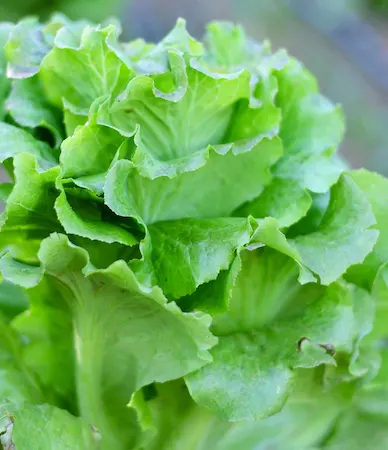
Lettuce is one of the easiest and most rewarding fall garden vegetables you can grow. Since it loves cooler temperatures, planting it in late summer sets you up for crisp, tender leaves all through autumn.
I like to plant a mix of loose-leaf varieties along with romaine so I can enjoy different flavors and textures. Loose-leaf lettuce matures quickly, sometimes in just 30 days, so you’ll be harvesting before you know it.
When planting, make sure your soil stays moist because lettuce seeds need consistent water to germinate. I usually water lightly every day until the seedlings pop up, then switch to deeper, less frequent watering to encourage strong roots.
Related: Help Your Lettuce Grow Better With These Incredible Companion Plants
If you live in an area with hot late-summer days, I’ve found it helps to plant lettuce in a spot with partial shade or use a lightweight row cover to protect it from heat stress.
Harvesting couldn’t be easier. You can pick the outer leaves as you need them (a method called “cut and come again”), or you can wait and harvest the whole head.
Either way, nothing beats the flavor of homegrown lettuce in fall salads, sandwiches, or wraps. Trust me, you’ll be so glad you gave lettuce a second season in your garden.
2. Spinach
Spinach is one of those classic fall garden vegetables that almost feels like it was made for cool weather. I love planting it in late summer because it grows quickly and tolerates light frosts.
It will give you plenty of fresh, nutrient-packed greens well into autumn. Spinach germinates best in soil temperatures around 50-70°F (10-21°C), which makes late August or early September the sweet spot for planting in many regions.
When planting, sow seeds about a half-inch deep and keep the soil consistently moist until the seedlings emerge. I usually thin them to about 3-4 inches apart to give each plant enough space to spread its leaves.
Related: How to Start a Balcony Garden for Beginners
One of my favorite tricks is to stagger plantings every week or two. This way, I don’t end up with a giant harvest all at once but instead have a steady supply of spinach for weeks.
You can harvest young baby leaves for salads or let the plants mature for larger leaves that are perfect for sautés, soups, or omelets. Spinach also freezes beautifully, so if you grow more than you can eat fresh, blanch and freeze it for winter use.
3. Kale
Kale is a hearty green that not only tolerates cool weather; it thrives in it. In fact, kale gets sweeter after the first frost, as the plant converts starches into sugars for protection.
Plant kale seeds in late summer, about a half-inch deep and spaced 12-18 inches apart. If you’re short on time before the weather cools, you can also start with transplants to speed things up.
Kale is pretty forgiving, but it does best with consistent watering and nutrient-rich soil. I like to add compost before planting to give the plants a healthy boost.
Related: Everything You Need to Know to Start an Indoor Garden
One of the best parts about kale is that it’s a “cut and come again” vegetable. You can harvest the outer leaves as needed while the plant continues to produce from the center.
You can toss freshly picked kale into fall soups, add it to hearty salads, or even bake it into crispy kale chips for a healthy snack. Once you taste frost-sweetened kale from your own garden, store-bought greens won’t compare.
4. Radishes

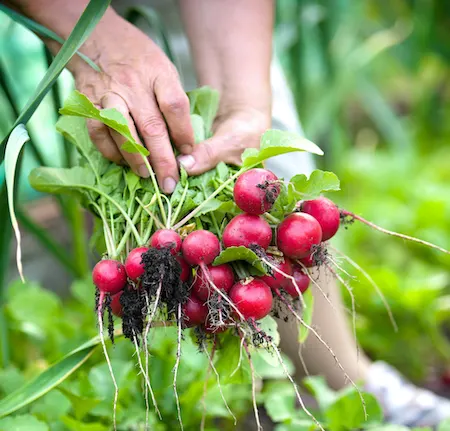
If you’re new to fall gardening, radishes are one of the easiest and most satisfying vegetables to start with. They grow incredibly fast. Some varieties are ready in just 25-30 days. That means you can squeeze in multiple plantings during late summer and early fall for a continuous harvest.
To plant radishes, sow seeds directly into the garden about a half-inch deep and an inch apart. They don’t like to be transplanted, so direct sowing is the way to go.
Radishes thrive in cooler soil, so late summer planting gives them the perfect conditions to develop crisp, flavorful roots. Be sure to water regularly since inconsistent moisture can make them split or taste overly spicy.
Related: 15 Drought-Tolerant Vegetables for Your Summer Garden
I’ve found that radishes are a great companion crop, too. Planting them alongside slower-growing veggies like carrots or beets makes good use of garden space since radishes mature and can be harvested long before the others are ready.
Plus, don’t forget about the greens! Radish tops are edible and delicious sauteed or blended into a pesto. Whether you’re slicing them fresh for salads or roasting them for a milder, sweeter flavor, radishes bring a bright, peppery crunch to autumn meals.
5. Carrots
Carrots are another favorite of mine for fall gardening because the cooler weather makes them sweeter. Planting them in late summer allows the roots to mature just as temperatures begin to drop, which really brings out their flavor.
Plus, they’re one of those crops you can leave in the ground until you’re ready to harvest. It’s like nature’s own storage system!
When planting, sow carrot seeds about a quarter-inch deep in loose, well-drained soil. This is key: carrots need soil free of rocks and clumps so they can grow long and straight. That’s why carrots are one of the best vegetables to grow in containers.
Carrots can take a bit of patience since they germinate slowly, often taking up to two weeks. Keeping the soil consistently moist during that time is essential. Once they’re growing, thin the seedlings to about 2-3 inches apart so the roots have space to develop.
Harvesting is flexible. You can pull them young for tender baby carrots or let them grow to full size.
6. Beets

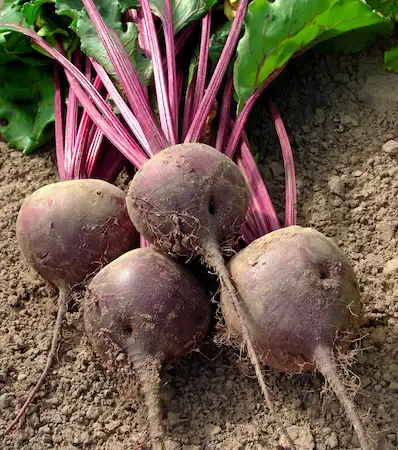
Beets are a wonderful addition to a fall garden because they give you a double harvest. You can eat both the earthy, sweet roots and the tender, nutritious greens.
They’re pretty forgiving when planted in late summer and do well as the temperatures cool down. Beets usually take about 50-70 days to mature, which means you’ll have plenty of time for a fall harvest if you plant in August or early September.
Plant beet seeds about a half-inch deep and two inches apart. Since each seed cluster can produce multiple seedlings, you’ll likely need to thin them out once they sprout. I always use the thinnings as microgreens in salads, so nothing goes to waste.
Beets grow best in well-drained soil rich in organic matter. I’ve found that keeping the soil consistently moist helps the roots develop evenly and prevents them from becoming woody.
Harvest beets when they’re about the size of a golf ball to a tennis ball for the best flavor and texture. You can roast them, pickle them, or even blend them into smoothies for a natural sweetness.
Plus, don’t forget about the greens. They saute beautifully with garlic and olive oil or can be tossed raw into salads. Growing beets in the fall has become one of my favorite traditions because they bring such vibrant color and flavor to autumn meals.
7. Turnips
Turnips might not be the first vegetable you think of for your fall garden, but trust me, they’re a hidden gem. Not only do you get crisp, peppery roots, but you also get tender greens that can be harvested even earlier.
Turnips grow quickly, usually maturing in 40-60 days. That makes them an excellent late summer planting choice if you want a fast autumn harvest.
To plant, sow seeds directly into the soil about half an inch deep and one inch apart. They don’t like being transplanted, so direct seeding is the way to go.
Related: The Easiest Fruit Trees to Grow in Your Backyard
Once the seedlings emerge, thin them to 3-4 inches apart to give the roots room to develop. I like to sprinkle a little compost into the rows before planting to give them a nutrient boost.
You can harvest turnip greens when they’re young and tender, or wait for the roots to develop. The roots are delicious roasted, mashed, or added to soups and stews. Having both parts of the plant to use makes turnips one of the most efficient and versatile fall garden vegetables you can grow.
8. Arugula
If you like a little zing in your salads, arugula is a must-plant for fall. This leafy green grows incredibly fast. Sometimes it’s ready to harvest in as little as 20 days
It also thrives in cooler weather. Planting it in late summer means you’ll have tender, peppery greens all season long.
To grow arugula, scatter seeds about a quarter-inch deep and an inch apart. Since it grows so quickly, you can succession sow every couple of weeks for a steady supply.
Keep the soil evenly moist, and you’ll be amazed at how fast it comes up. If your late summer weather is still hot, arugula may bolt. To help prevent this, give it a little shade or plant it in a spot where taller crops provide cover.
Harvest arugula young for a milder flavor or let it grow larger if you like a spicier bite. It’s perfect in salads, sandwiches, and wraps. Plus, since it grows so fast, you’ll always have fresh greens ready for your fall meals.
9. Broccoli
Broccoli is one of the most rewarding fall garden vegetables if you give it the right conditions. It loves cooler weather, so planting it in late summer sets it up to mature in the crisp days of fall.
If you’re short on time, I recommend starting with transplants instead of seeds, since broccoli can take 70-100 days to mature.
Plant your seedlings 18 inches apart in nutrient-rich soil, ideally amended with compost or organic fertilizer. Broccoli likes consistent moisture, so keep it watered, especially during those lingering warm late-summer days.
It’s also a good idea to use a row cover in the early weeks helps protect young plants from pests like cabbage worms.
Related: Protect Your Food and Your Health With the Best Organic Pesticides
When it comes time to harvest, cut the main head while it’s still tight and before the yellow flowers start to open. Don’t pull the plant after that, though! Smaller side shoots will continue to grow, giving you additional harvests well into autumn.
I love roasting fresh broccoli with garlic and olive oil, but it’s also wonderful steamed, tossed into stir-fries, or even enjoyed raw with a dip. Growing your own broccoli in the fall really makes you appreciate just how fresh and flavorful it can be.
10. Cauliflower
Cauliflower can be a little more finicky than broccoli, but it’s absolutely worth growing in a fall garden. Like broccoli, it thrives in cool weather, and late summer planting gives it the perfect window to mature. I usually opt for transplants to save time since cauliflower takes about 70-85 days to reach maturity.
Plant cauliflower about 18 inches apart in rich, well-drained soil. It’s a bit more sensitive than other brassicas, so consistent watering and even soil moisture are important to prevent problems like heads forming too early or splitting.
One tip that has worked for me is “blanching.” When the head begins to form, gently pull the outer leaves up over it and secure them with a clothespin or string. This keeps the head white and tender by protecting it from the sun.
Harvest the heads when they’re firm, compact, and about 6-8 inches across. Don’t wait too long, or they can become grainy.
Cauliflower is so versatile in the kitchen. You can roast it, mash it as a potato alternative, or even turn it into cauliflower rice. There’s nothing like cooking with a head of cauliflower you grew yourself as the crisp fall air sets in.
11. Cabbage
Cabbage is a cool-weather superstar and one of my favorite vegetables to grow for autumn harvests. It does beautifully in the fall garden because it prefers steady, cool temperatures, and the heads develop best in this environment.
Depending on the variety, cabbage can take 60-90 days to mature. This makes late-summer planting just right for a fall crop.
Start with transplants if you want a guaranteed harvest before winter. Plant them 12-18 inches apart in rich, well-drained soil.
I always add compost before planting since cabbage is a heavy feeder. Keep the soil evenly moist, and consider using a floating row cover to keep cabbage worms and other pests away.
Harvest cabbage when the heads feel firm and solid to the touch. If you cut the main head and leave the base in the ground, smaller side heads often form, giving you bonus harvests.
Fresh cabbage is incredibly versatile. You can shred it for coleslaw, ferment it into sauerkraut, or add it to hearty fall soups and stews.
12. Swiss Chard
Swiss chard is one of the most forgiving and flexible fall garden vegetables you can grow. It tolerates both heat and cold, making it a great choice for late summer planting.
Unlike spinach, which can bolt in the heat, Swiss chard holds strong. Plus, it will keep producing leaves well into the fall.
Related: Plant Once, Harvest Forever–The Best Perennial Vegetables
Sow seeds about a half-inch deep and 2-3 inches apart, thinning seedlings to about a foot apart once they sprout. Keep the soil evenly moist, and you’ll have steady growth throughout the season.
Swiss chard is a cut-and-come-again crop, so you can harvest the outer leaves as you need them while the plant keeps producing. The young leaves are tender and great for salads, while the larger leaves are excellent sautéed, added to soups, or tossed into pasta dishes.
13. Mustard Greens
If you’re looking for a leafy green that packs a punch, mustard greens are a fantastic option for the fall garden.
They grow quickly. Some are ready in as little as 30 days. They also thrive in cool weather, making them perfect for planting in late summer.
Plant seeds about a quarter-inch deep and an inch apart, then thin seedlings to 6 inches apart once they’re growing.
Like arugula, mustard greens can bolt if the weather is too hot. Be sure to give them a little afternoon shade if late summer temperatures are high. Consistent watering also helps keep the leaves tender and flavorful.
You can harvest baby leaves for a mild flavor or let them mature for a spicier, peppery bite. Mustard greens are delicious sautéed with garlic, stirred into soups, or even blended into smoothies for a nutrient boost.
If you’re adventurous in the kitchen, try pickling them for a tangy side dish. Growing mustard greens in the fall gives you a fresh, flavorful green that adds excitement to your autumn meals.
14. Green Onions (Scallions)
Green onions are one of my favorite “space savers” for the fall garden. They don’t take up much room, grow quickly, and can be tucked into small gaps between other crops.
They’re usually ready to harvest in 50-60 days, but you can pull them earlier if you like them smaller and more tender.
Sow seeds about a quarter-inch deep and an inch apart. You can also start with sets for even faster results.
Green onions don’t require much fuss. Just keep the soil moist and weed-free. I often plant them in little clusters throughout my beds, and they always seem to thrive.
Harvest by pulling the whole plant or snipping the greens as you need them. They’re incredibly versatile in the kitchen. You can use them in soups, stir-fries, or sprinkled fresh on top of baked potatoes or fall dishes for a burst of flavor.
15. Peas
Peas aren’t just for spring. You can also sneak in a fall crop if you plant them in late summer.
They love cool weather. As long as you get them in the ground early enough before your first frost, you’ll be rewarded with a delicious autumn harvest.
Sow seeds about an inch deep and two inches apart along a trellis or fence. I’ve found that giving peas something to climb on makes harvesting much easier and keeps the plants healthier. They need consistent watering, especially while they’re germinating and flowering.
Depending on the variety, peas mature in 60-70 days. You can harvest the pods young for tender snap peas or let them mature for shelling peas.
Fresh peas from the garden are so sweet, you can snack on them right there in the garden! If you do bring them inside, they’re wonderful tossed into stir-fries, pasta, or autumn soups.
Final Thoughts on Planting Vegetables for a Fall Garden
Just because summer is winding down doesn’t mean your garden has to. Planting fall garden vegetables is one of the best ways to extend the season and enjoy fresh, homegrown food well into the cooler months.
I’ve found that a fall garden not only keeps my kitchen stocked but also makes the transition into colder weather feel a little more joyful. With a little planning, you can keep your garden producing long after most people have put theirs to bed.
If you haven’t tried planting a late-season garden yet, I encourage you to give it a go this year. Start small, experiment with a few different vegetables, and see which ones you love most. Who knows? Fall gardening might just become one of your favorite seasonal traditions.