

15 of the Best Cucumber Companion Plants
The Best Companion Plants for Cucumbers (And What You Should Avoid!)
If you’ve struggled to grow cucumbers because of pests, poor growth, or disappointing harvests, the solution might be simpler than you think. Choosing the right cucumber companion plants can help your garden naturally thrive by attracting pollinators, improving soil health, and even keeping harmful bugs away without relying on harsh chemicals.
One of the things I love most about companion planting is how it helps your garden work with nature instead of against it. Certain plants seem to bring out the best in cucumbers, whether that means boosting growth, shading the soil, or confusing common pests before they can cause damage. Plus, companion planting is one of the easiest ways to create a healthier and more productive garden, even if you’re working with a small backyard space or a few raised beds.
In this guide, I’m sharing the best companion plants for cucumbers, along with a few plants you should avoid growing nearby. Whether you’re hoping for bigger harvests, fewer cucumber beetles, or a more balanced garden ecosystem, these companion planting tips can help your cucumbers flourish all season long.
Also, keep in mind that if you’re looking for an easy way to plan your garden, you can grab this printable companion planting chart to quickly see what to plant together (and what to avoid). This can help you grow healthier, more productive cucumbers with confidence!
What Is Companion Planting?
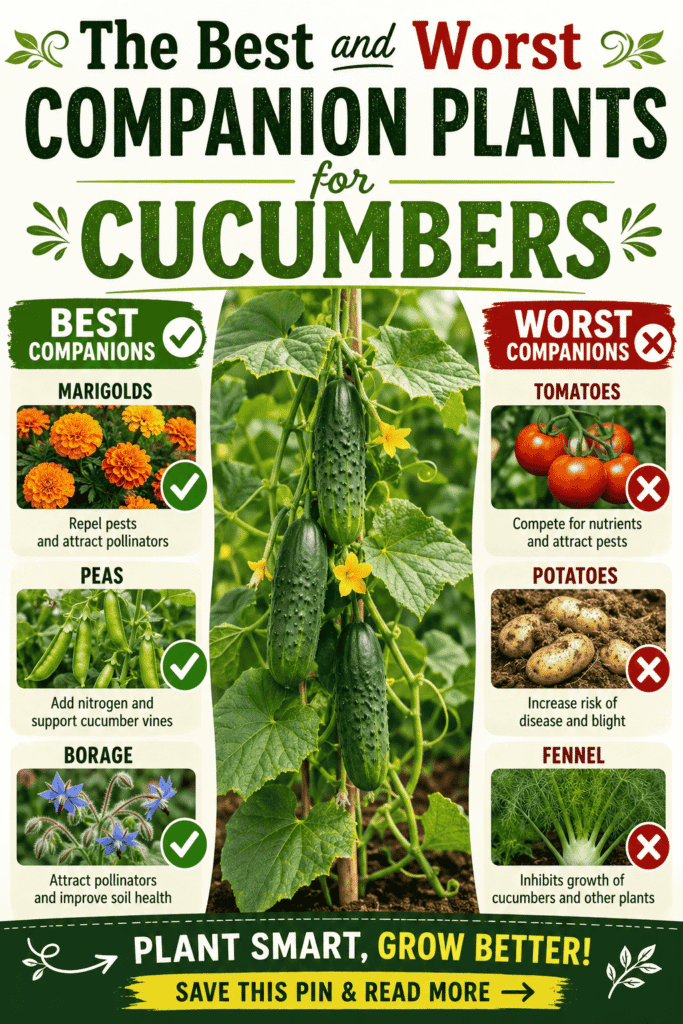
Companion planting is the practice of growing certain plants together so they can benefit one another in natural ways. Instead of planting your garden randomly, companion planting helps you create a healthier, more balanced growing space where plants work together as a team.
Some plants help repel harmful insects, while others attract pollinators or improve the soil nearby. When done correctly, companion planting can lead to stronger plants, bigger harvests, and fewer garden problems overall.
I’ve always loved companion planting because it feels like one of the simplest ways to garden more naturally. Rather than reaching for chemical sprays or fertilizers, you can often solve common garden issues just by pairing the right plants together.
Companion planting is especially helpful for cucumbers because they tend to attract pests like cucumber beetles and aphids. Choosing the right neighboring plants can help protect your cucumbers while also encouraging better pollination and healthier growth. It’s an easy, eco-friendly gardening method that works beautifully in raised beds, traditional gardens, and even small backyard spaces.
With that in mind, here are some of the best cucumber companion plants you should consider pairing together in your garden.
1. Marigolds
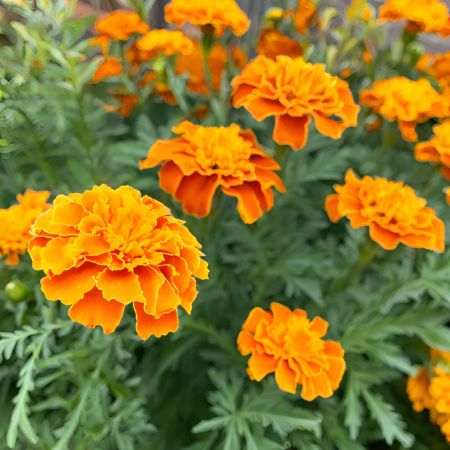
Marigolds are one of the most popular companion plants for cucumbers, and for good reason. These cheerful flowers do far more than simply brighten up your garden beds.
Marigolds are known for helping repel a variety of common garden pests, including aphids, whiteflies, and even certain types of nematodes that live in the soil. Since cucumbers can be vulnerable to pest problems during the growing season, planting marigolds nearby can help create a healthier environment naturally.
One of the things I love most about marigolds is how easy they are to grow. They thrive in warm weather alongside cucumbers and can easily be tucked into raised beds, containers, or along garden borders. Their bright blooms also attract pollinators and beneficial insects, which can improve cucumber pollination and encourage a more balanced garden ecosystem overall.
Plus, marigolds bloom for a long time, which means they continue working hard in your garden throughout most of the growing season while adding plenty of beautiful color at the same time.
2. Nasturtiums
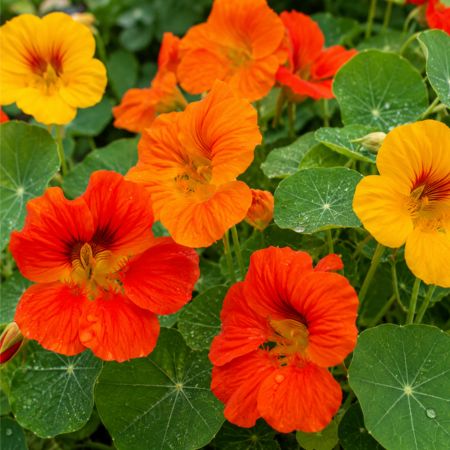
Nasturtiums are another wonderful companion plant for cucumbers because they can help lure harmful insects away from your plants. Gardeners often refer to nasturtiums as a “trap crop” because pests such as aphids, cucumber beetles, and squash bugs are frequently more attracted to nasturtiums than cucumbers. Instead of attacking your cucumber vines, these pests often gather on the nasturtiums first, helping reduce damage to your vegetable plants.
Beyond pest control, nasturtiums also attract pollinators like bees and butterflies, which can improve cucumber production. Cucumbers rely heavily on pollination to produce healthy fruit, so anything that encourages more pollinators to visit your garden can be incredibly beneficial. The vibrant flowers also make the garden feel lively and colorful while serving a practical purpose at the same time.
Another reason I love growing nasturtiums near cucumbers is that they spread beautifully along the ground, helping shade the soil and reduce moisture loss during hot summer weather. Both the leaves and flowers are edible as well, making nasturtiums a useful addition to edible gardens beyond their companion planting benefits.
3. Radishes

Radishes are often recommended as a companion plant for cucumbers because many gardeners believe they help deter cucumber beetles. These pests can quickly damage cucumber plants by chewing leaves, flowers, and stems while also spreading bacterial wilt disease.
While companion planting is never a guaranteed solution, radishes are commonly planted around cucumbers as part of a natural pest management strategy.
Radishes are especially helpful because they grow very quickly. In many cases, you can harvest them before cucumber vines begin spreading heavily across the garden bed.
This makes radishes an easy crop to tuck between cucumber plants without taking up too much valuable space. Their fast growth can also help loosen compacted soil near cucumber roots, improving airflow and drainage in the garden.
One thing I appreciate about growing radishes with cucumbers is how beginner-friendly they are. They require very little maintenance and can thrive in many different garden setups.
Some gardeners even allow certain radishes to flower because the blooms attract pollinators and beneficial insects. Whether you harvest them young or leave a few behind to bloom, radishes can be a helpful and practical addition to a cucumber bed.
4. Beans
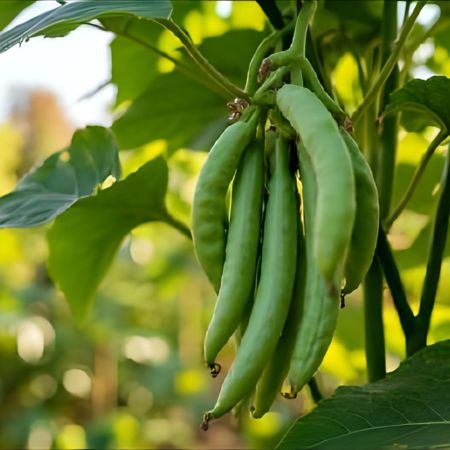
Beans make excellent companion plants for cucumbers because they naturally improve soil fertility. They’re legumes, which means they help add nitrogen back into the soil through a relationship with beneficial bacteria attached to their roots.
Since cucumbers are fairly heavy feeders during the growing season, this extra nitrogen can help support healthy leafy growth and vigorous vines.
Pole beans can work especially well in gardens where cucumbers are grown vertically on trellises. The two plants often thrive under similar growing conditions, including full sun, warm temperatures, and regular watering. Bush beans are another good option if you prefer a more compact garden layout.
Related: Can You Grow Green Beans Indoors? Everything You Need to Know!
One of the nicest things about pairing beans with cucumbers is that it helps maximize garden space while encouraging biodiversity. Instead of relying heavily on synthetic fertilizers, companion planting with beans can support a healthier soil ecosystem naturally. This fits beautifully into a more sustainable gardening approach.
Beans can also help shade the soil slightly, reducing moisture evaporation during hot weather. Healthy soil moisture is especially important for cucumbers because inconsistent watering can lead to bitter-tasting fruit. Together, cucumbers and beans create a productive garden pairing that benefits both the plants and the overall health of your garden.
5. Peas

Peas are another excellent companion plant for cucumbers because they help enrich the soil with nitrogen, much like beans do. This added nitrogen can help support healthy cucumber growth later in the season while reducing the need for additional fertilizers.
One advantage of planting peas near cucumbers is that peas are usually grown earlier in the season. In many gardens, peas finish producing before cucumber vines reach their full size. This allows you to make efficient use of your garden space by transitioning smoothly from cool-season crops to warm-season crops without leaving beds empty.
Peas can also help improve soil structure thanks to their root systems, which may encourage healthier growing conditions overall. If you leave pea roots in the soil after harvesting, the nitrogen-fixing nodules can continue benefiting the garden as they break down naturally.
I also love how peas help attract pollinators once they flower. Encouraging bees and other beneficial insects into the garden can improve cucumber pollination later on. When paired together thoughtfully, peas and cucumbers can help create a healthier, more productive vegetable garden with very little extra effort.
6. Corn
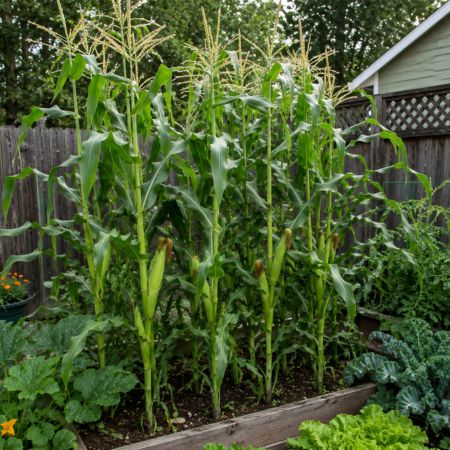
Corn can make an excellent companion plant for cucumbers because its tall stalks help create a more supportive growing environment. In traditional gardening methods, cucumbers are sometimes allowed to climb corn stalks naturally, which can help save space in smaller gardens.
While I still recommend using sturdy trellises for larger cucumber varieties, corn can offer light support and encourage better airflow around the plants.
Another benefit of planting corn near cucumbers is that the tall stalks can provide partial afternoon shade during extremely hot weather. Cucumbers love warmth, but intense summer heat can sometimes stress the plants and dry out the soil too quickly. Corn can help create a slightly cooler microclimate that supports healthier cucumber growth while helping the soil retain moisture longer.
Corn and cucumbers also tend to thrive under similar conditions, including full sun, nutrient-rich soil, and regular watering. Since both plants grow vigorously during the summer months, they often work well together in larger garden beds. When combined thoughtfully, corn and cucumbers can create a productive and visually beautiful garden pairing that mimics more natural growing systems.
7. Sunflowers
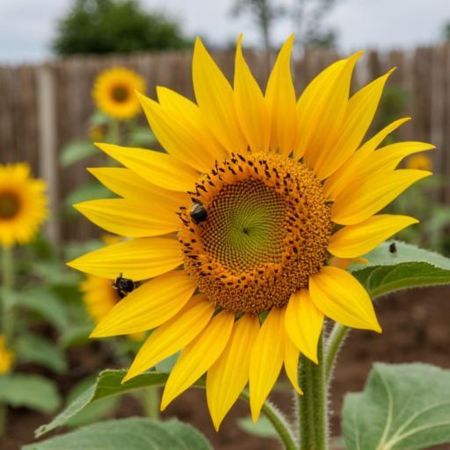
Sunflowers are one of my favorite companion plants for cucumbers because they bring so much life into the garden. The large, bright blooms attract bees, butterflies, and other pollinators that are essential for cucumber production. Since cucumbers rely heavily on pollination to develop properly, encouraging more pollinators to visit your garden can lead to healthier plants and larger harvests.
Sunflowers can also help attract beneficial insects such as ladybugs and lacewings, which prey on common garden pests like aphids. This helps create a healthier garden ecosystem naturally without relying as heavily on chemical pest control methods.
I’ve found that adding more pollinator-friendly flowers to the garden often makes the entire space feel more balanced and productive.
In some gardens, sunflowers may even provide light afternoon shade for cucumbers during the hottest part of the day. Their tall stems can also act as a visual windbreak in open garden spaces. Just make sure to give both plants enough room and nutrients since sunflowers can become quite large.
When planted carefully, sunflowers and cucumbers can make a beautiful and beneficial summer garden combination.
8. Dill
Dill is a fantastic herb to grow near cucumbers because it attracts many beneficial insects that help protect your garden naturally. When dill flowers, it draws in pollinators along with predatory insects like ladybugs, parasitic wasps, hoverflies, and lacewings. These helpful insects prey on common pests such as aphids, spider mites, and caterpillars that may otherwise damage cucumber plants.
One thing I love about dill is that it serves multiple purposes in the garden. Not only does it support cucumber health, but it’s also incredibly useful in the kitchen for pickling and fresh summer recipes. Since cucumbers and dill are often harvested around the same time, they make a practical and convenient pairing for gardeners who enjoy preserving food.
Related: The Best Herbs You Should Be Growing Indoors Right Now
Dill’s feathery foliage also takes up relatively little space, making it easy to tuck between cucumber plants or along garden borders. However, mature dill can grow fairly tall once it flowers, so spacing is still important to maintain good airflow around cucumber vines.
Overall, dill is an easy-to-grow herb that helps encourage biodiversity and supports a healthier, more resilient cucumber garden.
9. Oregano
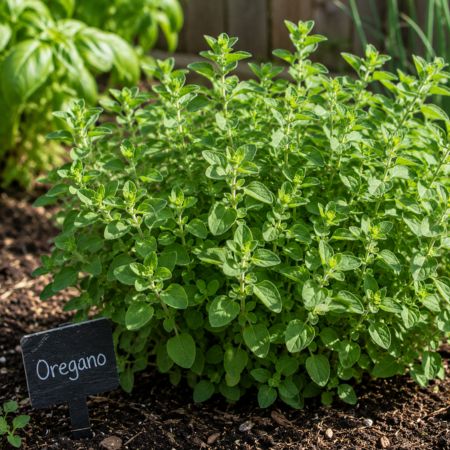
Oregano is another helpful companion plant for cucumbers because it acts as a low-growing living mulch while also attracting beneficial insects. It spreads close to the ground, which can help shade the soil, reduce moisture evaporation, and suppress weeds around cucumber plants. Since cucumbers prefer consistently moist soil, this extra ground cover can be especially beneficial during hot summer weather.
When oregano flowers, it also becomes highly attractive to bees, butterflies, and other pollinators that help support cucumber production. In addition, oregano flowers can attract beneficial predatory insects that naturally help control pest populations in the garden. I always appreciate plants that serve several purposes at once, and oregano definitely fits that category.
Related: Medicinal Herbs Everyone Should Be Growing in Their Garden
Another reason oregano works well near cucumbers is that it generally does not compete aggressively for vertical space. It stays fairly compact while cucumber vines spread upward or outward nearby. Plus, oregano is drought tolerant once established and relatively low maintenance, making it a great choice for beginner gardeners.
As an added bonus, you’ll also have plenty of fresh oregano available for cooking throughout the growing season!
10. Borage
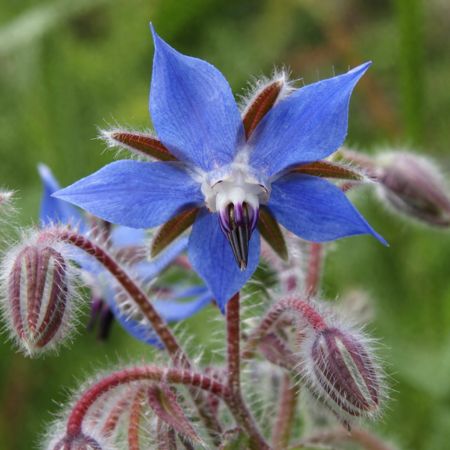
Borage is often considered one of the very best companion plants for cucumbers because it attracts huge numbers of pollinators to the garden. Its bright blue star-shaped flowers are especially appealing to bees, which are essential for proper cucumber pollination. More pollinator activity often means better fruit production and healthier cucumber harvests overall.
Borage is also believed to help repel certain garden pests, including tomato hornworms and cabbage worms, while attracting beneficial insects that prey on harmful bugs. Even though cucumbers may still encounter occasional pest issues, adding pollinator-friendly plants like borage can help create a healthier balance within the garden ecosystem.
One thing many gardeners love about borage is that it grows quickly and blooms continuously throughout much of the season. The flowers are edible and have a mild cucumber-like flavor, making them a fun addition to salads and drinks. Borage can also help improve soil quality over time because its deep roots pull nutrients upward from deeper layers of soil.
Since cucumbers thrive in biodiverse gardens filled with pollinators and beneficial insects, borage is an incredibly valuable plant to grow nearby. It’s beautiful, functional, and surprisingly easy to grow in most home gardens.
11. Lettuce

Lettuce is a wonderful companion plant for cucumbers because it grows quickly and stays relatively compact, making it easy to plant around larger cucumber vines. Since cucumbers tend to spread outward as the season progresses, lettuce can act as an early-season crop that helps you maximize every inch of garden space before the cucumber plants fully mature.
One of the biggest benefits of planting lettuce near cucumbers is that lettuce helps shade the soil. This can reduce moisture evaporation and help keep the ground cooler during warm weather.
Cucumbers grow best when the soil stays consistently moist, so this natural ground cover can support healthier vines and reduce watering needs slightly during hot summer days.
Related: Help Your Lettuce Grow Better With These Top Companion Plants
Lettuce also has shallow roots, which means it usually doesn’t compete heavily with cucumbers for nutrients or water. The two plants generally coexist peacefully in raised beds and traditional gardens alike.
I especially love pairing lettuce with trellised cucumbers because the vertical cucumber growth leaves plenty of room underneath for leafy greens.
Since lettuce matures fairly quickly, you can often harvest it before cucumber vines completely take over the space. This makes lettuce an easy and productive companion plant for gardeners looking to grow more food in smaller spaces.
12. Spinach
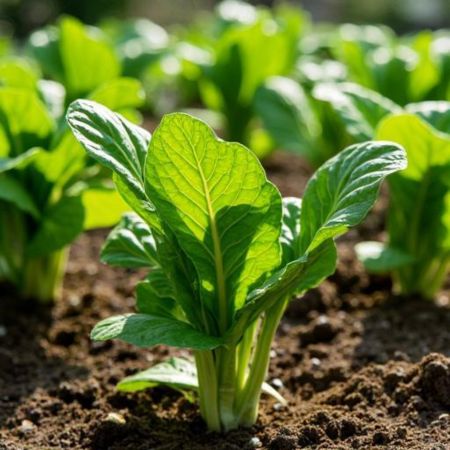
Spinach is another excellent companion plant for cucumbers because it grows well earlier in the season before cucumber vines fully spread. Many gardeners plant spinach in spring while temperatures are still cooler, then allow cucumbers to take over the space as the weather warms. This staggered growing pattern helps maximize productivity in raised beds and vegetable gardens.
Like lettuce, spinach can help act as a living mulch by covering the soil surface and reducing moisture loss. Cucumbers need steady moisture to grow properly, and shaded soil tends to dry out more slowly during hot weather. Keeping the soil cooler can also help reduce stress on cucumber roots during the peak of summer.
Spinach also has a relatively shallow root system, so it typically does not compete aggressively with cucumber plants. The two crops can comfortably grow together, especially when cucumbers are trained vertically on a trellis. I’ve found this combination works especially well in smaller gardens where space is limited.
Another advantage of spinach is that it matures quickly, allowing you to harvest much of it before cucumber vines become too large. By pairing cool-season greens with warm-season cucumbers, you can create a more efficient and productive garden throughout the growing season.
13. Carrots
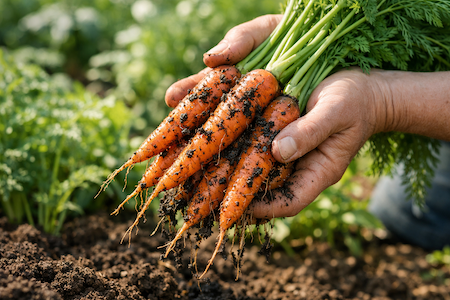
Carrots can be a very beneficial companion plant for cucumbers because their roots help loosen and aerate the soil naturally. Since cucumbers prefer well-draining soil with good airflow around their roots, carrots may help create healthier growing conditions underground while taking up very little space above the soil surface.
One thing I appreciate about planting carrots near cucumbers is that the two crops use garden space differently. Cucumbers spread above ground with their vines, while carrots grow downward beneath the soil.
Since they occupy different layers of the garden bed, they generally don’t compete heavily for space. This makes them a smart pairing for raised beds and compact gardens.
In addition, carrots are fairly low maintenance and can tolerate partial shade later in the season once cucumber vines become larger.
By combining root crops like carrots with sprawling cucumber plants, you can create a more balanced and productive garden system that uses available space efficiently while supporting healthy soil structure.
14. Beets

Beets are another root crop that pair nicely with cucumbers because they grow mostly beneath the soil while cucumbers spread above ground. This allows both plants to share garden space efficiently without heavily competing with one another.
Beets are also relatively compact compared to sprawling cucumber vines, making them easy to plant along the edges of cucumber beds or between trellised cucumber rows. Since cucumbers can eventually provide some afternoon shade, beets may even benefit from slightly cooler soil conditions during the hottest parts of summer.
Another advantage of planting beets near cucumbers is that beets help encourage better soil structure as their roots grow and expand underground. Healthy soil structure improves drainage and airflow, both of which are important for cucumber plants.
I also love that beets provide an additional harvest from the same garden space. Their colorful roots and edible greens make them a versatile crop that complements cucumbers beautifully while helping create a diverse and productive vegetable garden.
15. Chives
Chives are a helpful companion plant for cucumbers because their strong scent may help deter certain garden pests naturally. Many gardeners grow chives near vegetables to discourage aphids and other small insects that can damage tender cucumber leaves and vines.
Chives are especially convenient because they stay compact and don’t take up much room. They can easily be planted along garden borders, tucked into raised beds, or grown near the base of cucumber trellises without crowding the vines.
Their upright growth habit also helps maintain good airflow around cucumber plants, which is important for reducing moisture-related diseases.
Another benefit of chives is their beautiful purple flowers, which attract pollinators and beneficial insects to the garden. Increased pollinator activity can support better cucumber production throughout the growing season.
Since chives are perennial in many climates, they can continue returning year after year with very little maintenance. This makes them an easy long-term companion plant that supports cucumbers while also providing fresh flavor for the kitchen.
The Worst Companion Plants for Cucumbers
While there are a lot of different crops that make successful companion plantings with cucumbers, there are also some that you should avoid planting nearby because they can have negative effects. It’s a good idea to keep these plants separated from your cucumber plants.
Aromatic Herbs

Strongly scented herbs like sage and rosemary are often considered poor companion plants for cucumbers because they prefer very different growing conditions.
Cucumbers thrive in consistently moist soil with regular watering, while many Mediterranean herbs prefer drier conditions and well-draining soil. Trying to meet the needs of both plants in the same area can sometimes leave one struggling.
These herbs may also compete with cucumbers for nutrients and space, especially in smaller raised beds or containers. Since rosemary and sage can become woody and fairly large over time, they may crowd nearby cucumber vines and reduce airflow around the plants. Poor airflow can increase the risk of fungal diseases, which cucumbers are already somewhat prone to during humid weather.
Fennel
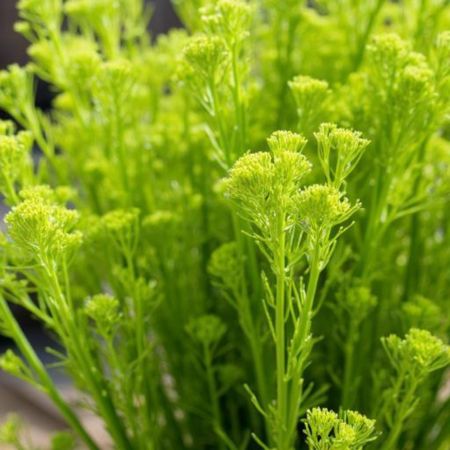
Fennel is widely known as one of the most difficult plants to companion plant with because it tends to inhibit the growth of many nearby vegetables, including cucumbers. This plant releases natural compounds into the soil that may interfere with the growth and development of surrounding plants, a process known as allelopathy.
Many gardeners notice reduced vigor, slower growth, or smaller harvests when fennel is planted too close to vegetables. Cucumbers, which already require plenty of nutrients and space to spread, may struggle even more when competing with fennel nearby.
As a result, fennel is often best grown in its own separate garden bed or container rather than mixed into vegetable gardens.
Another challenge is that fennel can attract certain pests that may later spread to nearby crops. Although fennel flowers do attract beneficial insects, its overall growing habits usually make it a less-than-ideal neighbor for cucumbers.
Melons
Melons and cucumbers belong to the same plant family, which means they often compete for many of the same resources. Both plants are heavy feeders that require rich soil, regular watering, and plenty of sunlight to produce healthy fruit. When grown too closely together, they may compete heavily for nutrients and moisture, which can weaken both crops.
Another issue is that melons and cucumbers are vulnerable to many of the same pests and diseases. Problems such as cucumber beetles, powdery mildew, and fungal infections can spread more quickly when these closely related plants are grown side by side. If one plant becomes infected or infested, nearby plants may quickly follow.
Melon vines also spread aggressively and can easily overwhelm cucumber plants in smaller gardens. The tangled vines may reduce airflow, increase humidity around the plants, and make harvesting more difficult.
Brassicas
Members of the brassica family, such as cabbage, broccoli, cauliflower, and kale, are generally not considered ideal companion plants for cucumbers. These vegetables are heavy feeders that require large amounts of nutrients to grow properly, especially nitrogen.
Since cucumbers are also fairly nutrient-hungry plants, growing them together may lead to increased competition in the soil.
Brassicas also tend to prefer slightly cooler growing conditions compared to cucumbers, which thrive in warm summer temperatures. Their different environmental preferences can sometimes make watering and garden management more difficult.
In tightly packed beds, large brassica leaves may crowd cucumber vines and reduce airflow around the plants.
Another concern is that brassicas can attract pests such as cabbage worms, aphids, and flea beetles. A garden already dealing with pest pressure may become even harder to manage when several demanding crops are grouped together.
Potatoes
Potatoes are often considered a poor companion plant for cucumbers because both crops can be vulnerable to similar fungal diseases and soil-related problems. Growing them too closely together may increase the risk of disease spreading throughout the garden, especially during wet or humid weather conditions.
Potatoes are also heavy feeders that require significant nutrients from the soil in order to produce large tubers. Cucumbers likewise need rich, fertile soil to support healthy vines and fruit production.
When planted nearby, the two crops may compete heavily for nutrients and water, which can negatively impact overall growth.
Another challenge is that potatoes are usually harvested by digging into the soil, which can disturb nearby cucumber roots and vines. Since cucumbers dislike root disturbance, harvesting potatoes too close to them may accidentally damage the plants.
Tomatoes

Tomato and cucumbers are both popular summer garden crops, but they’re not always the best companions. One of the biggest concerns is that both plants can be susceptible to similar fungal diseases, including powdery mildew and blight-related issues.
When planted closely together, diseases may spread more easily through the garden, especially during periods of high humidity.
Tomatoes and cucumbers are also both heavy feeders that require large amounts of nutrients and water throughout the growing season. In smaller garden spaces, this can lead to increased competition that weakens one or both crops over time.
Related: 15 Beneficial Plants You Should Be Growing With Your Tomatoes
Their vigorous growth habits may also create overcrowding, which reduces airflow and increases moisture buildup around the leaves.
Although some gardeners successfully grow them near one another, spacing becomes especially important if you choose to do so. In many cases, separating tomatoes and cucumbers slightly can help improve airflow, reduce disease pressure, and create healthier growing conditions for both plants.
Final Thoughts on Choosing the Best Companion Plants for Cucumbers

Companion planting is one of the easiest and most natural ways to create a healthier, more productive cucumber garden. By pairing cucumbers with beneficial plants, you can help attract pollinators, improve soil health, reduce pest problems, and make better use of your garden space.
At the same time, avoiding poor companion plants can help prevent unnecessary competition, overcrowding, and disease issues throughout the growing season.
One of the things I love most about companion planting is that it encourages a more balanced and eco-friendly garden. Instead of relying heavily on chemical sprays or fertilizers, you’re allowing plants to naturally support one another in ways that often lead to healthier harvests and stronger plants overall. Even making a few simple companion planting changes can have a noticeable impact over time.
Whether you’re growing cucumbers in raised beds, containers, or a traditional backyard garden, experimenting with companion planting can be a fun and rewarding way to improve your harvest. Once you see how well certain plants work together, it’s hard not to fall in love with this simple gardening method.


