How to Start a Homestead With No Money
How to Start a Homestead When You Don’t Have the Money
If you’ve been dreaming about growing your own food, raising animals, and living a slower, more intentional life, but your bank account says “maybe someday, but not today,” you’re not alone. Learning how to start a homestead with no money might sound impossible at first. However, the truth is, people have been doing it for generations, long before big budgets and fancy equipment ever existed.
The idea that you need acres of land, expensive tools, or a huge savings account can feel really discouraging. I used to think the same thing.
Yet here’s the shift that changes everything: homesteading isn’t about how much money you have, it’s about how resourceful you’re willing to be. It’s about using what you already have, starting small, and building step by step in a way that actually feels doable.
In this post, I’m going to walk you through exactly how to start a homestead with no money, using simple, realistic strategies that you can begin today. Whether you’re working with a tiny backyard, a balcony, or just a strong desire to live more sustainably, you’ll see that this lifestyle is far more accessible than it seems.
1. Shift Your Mindset
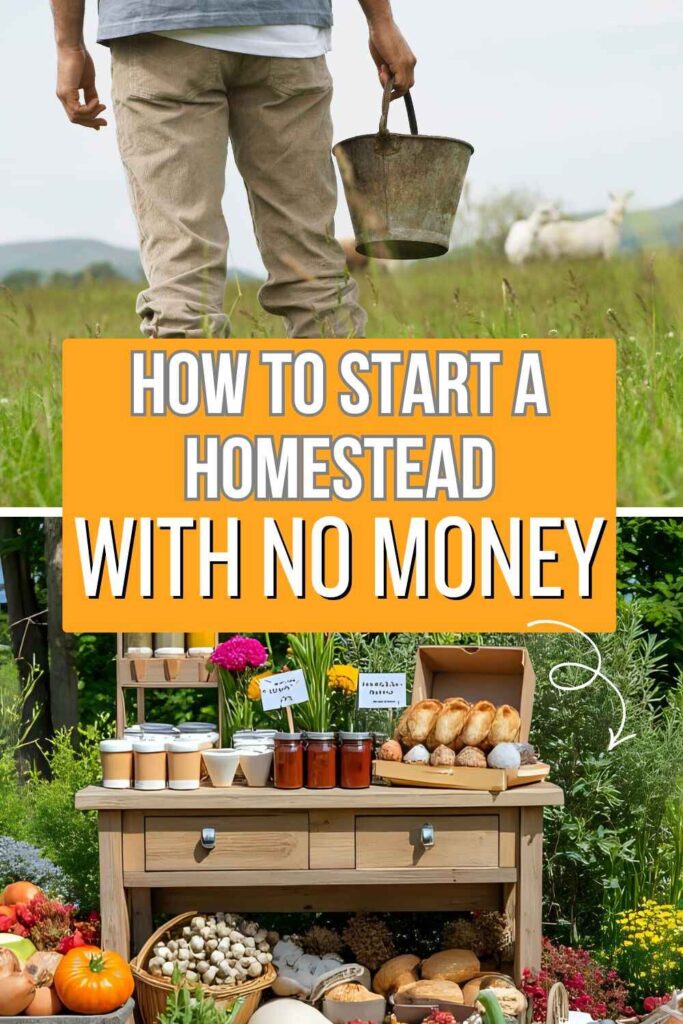
When you first start looking into how to start a homestead with no money, it’s easy to feel like you’re already behind. You see beautiful gardens, fully stocked pantries, and thoughtfully designed spaces online, and it can make you think you need a big budget to even begin.
However, the truth is, homesteading has never been about how much money you have. It’s about how creatively you can use what’s already around you.
For generations, people have built thriving homesteads out of necessity, not abundance. They reused, repurposed, traded, and made do with what they had.
Related: Everything You Need to Know About How to Start an Urban Homestead
That same mindset still works today, and it’s actually one of the most empowering parts of this lifestyle. Instead of focusing on what you don’t have, you start noticing what you do have and how you can use it in new ways.
This shift changes everything. Suddenly, an old container becomes a planter, kitchen scraps turn into compost, and a simple skill becomes a valuable resource. When you embrace resourcefulness, you stop waiting for the perfect time or the perfect budget and start building your homestead right now, one small step at a time.
2. Start Where You Are (Even If It’s a Small Space)
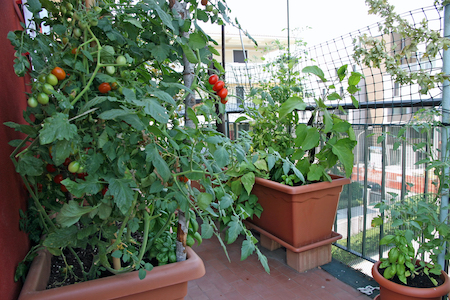
One of the biggest myths about homesteading is that you need a lot of land to make it work. If you’re learning how to start a homestead with no money, starting where you are is not just helpful, it’s essential. Whether you have a backyard, a small balcony, or even just a sunny windowsill, you can begin creating a more self-sufficient lifestyle.
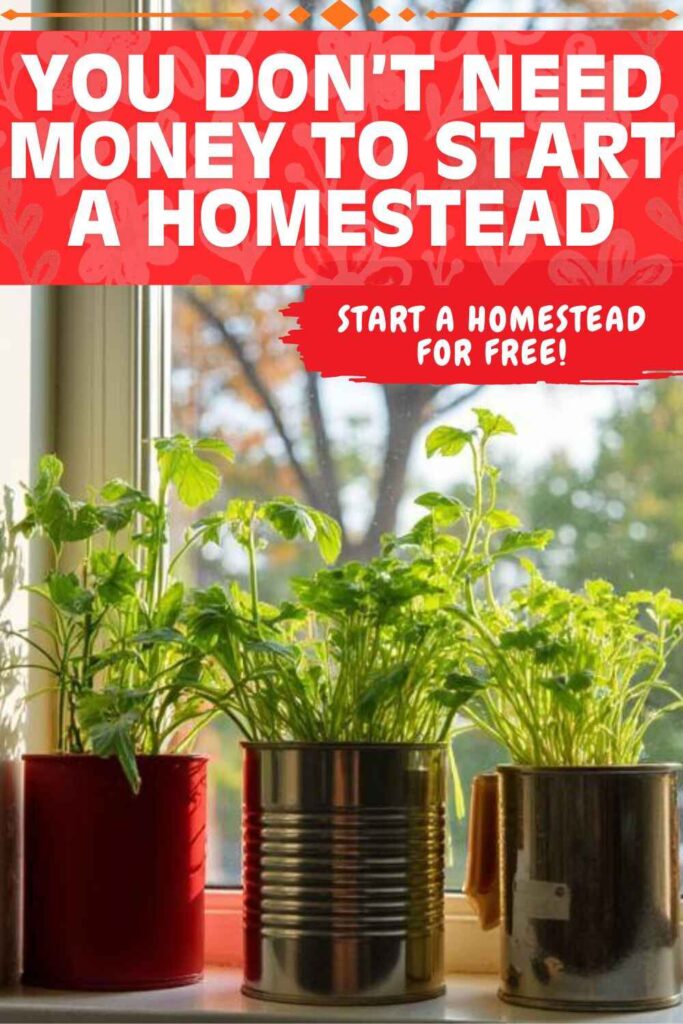
It’s easy to underestimate small spaces, but they can be surprisingly productive. A few containers can grow herbs or vegetables, a corner of your yard can support a small garden bed, and even indoor spaces can be used for things like sprouting seeds or growing microgreens. The goal isn’t to do everything at once, it’s to take one small step and build from there.
Related: How to Homestead in an Apartment
Starting small also gives you the chance to learn without feeling overwhelmed. You can experiment, make mistakes, and figure out what works best for your space and your lifestyle. Over time, those small efforts add up in a really meaningful way.
Remember, every thriving homestead started somewhere. Yours doesn’t need to be perfect or expansive to be worthwhile. It just needs to begin.
3. Take Inventory of What You Already Have
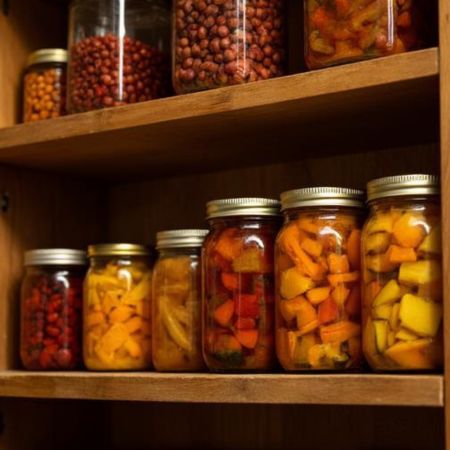
Before you spend any money, take a little time to look around your home with fresh eyes. When you’re figuring out how to start a homestead with no money, one of the most powerful things you can do is recognize the resources you already have. You might be surprised by how much is right in front of you.
Think about items you can repurpose. Old jars can be used for food storage or starting seeds, containers can become planters, and cardboard can be turned into a weed barrier in your garden. Even things like leftover wood, buckets, or unused kitchen tools can find new life in a homesteading setup.
It’s not just about physical items, either. Your time, skills, and knowledge are valuable resources too. Maybe you already know how to cook from scratch, sew, or care for plants. These are all foundational homesteading skills that can save you money and help you build confidence as you go.
When you start seeing your home as a collection of useful tools and materials, instead of things you need to replace or upgrade, it becomes much easier to move forward without spending anything at all.
4. Learn Skills Before You Spend a Single Dollar
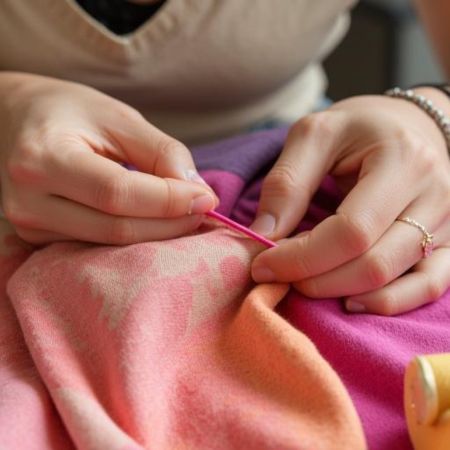
It’s tempting to think you need to buy tools, kits, or supplies before you can start homesteading, but in reality, skills are far more valuable than things. If you’re serious about learning how to start a homestead with no money, focusing on building knowledge first will save you time, money, and frustration in the long run.
There are so many free ways to learn today. You can read blog posts, watch tutorials, borrow books from your local library, or even connect with experienced gardeners and homesteaders in your community. The more you learn upfront, the more confident you’ll feel when it’s time to actually start growing food or making something yourself.
Start with simple, practical skills that you can use right away. Learn how to grow herbs, how to compost, or how to cook meals from basic ingredients. These small skills might not seem like much at first, but they lay the foundation for a more self-sufficient lifestyle.
When you prioritize learning, you also avoid wasting money on things you don’t actually need. You’ll make smarter choices, use resources more efficiently, and feel more prepared every step of the way.
5. Grow Food for Free Using Seeds You Already Have

One of the most exciting parts of homesteading is growing your own food. The good news is, you can start doing this without spending anything at all because your kitchen is actually a great place to begin.
Many fruits and vegetables contain seeds that you can reuse. Things like tomatoes, peppers, squash, and even herbs can be grown from scraps or saved seeds.
Instead of throwing them away, you can rinse, dry, and plant them to start your own garden. It’s a simple habit that can turn everyday meals into future harvests.
Related: How Long Can Actually Keep Seeds in Storage?
You can also regrow certain foods from scraps. Green onions, lettuce, and celery are great examples. Just place the base in a bit of water, and you’ll start to see new growth within days. It’s incredibly satisfying and a great way to build momentum early on.
Starting with free seeds not only saves money, but it also helps you build a deeper connection to your food. You begin to see the full cycle, from what’s on your plate to what grows in your garden, and that’s where homesteading really starts to feel meaningful.
6. Find Free or Cheap Supplies in Unexpected Places
Once you start thinking like a homesteader, you’ll realize that supplies are everywhere, you just have to know where to look. If you’re learning how to start a homestead with no money, getting comfortable sourcing items for free or very low cost can make a huge difference.
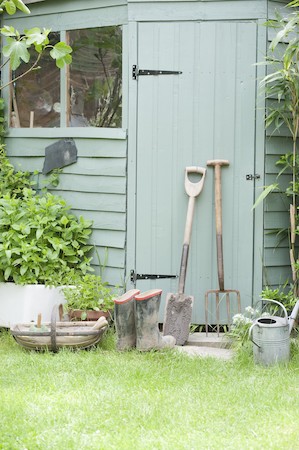
Start by checking places like Facebook Marketplace, Craigslist, or local Buy Nothing groups. People are constantly giving away things like pots, buckets, wood scraps, fencing, and even gardening tools just to clear space. Yard sales and thrift stores can also be great for finding useful items at a fraction of the cost.
Don’t overlook what businesses throw away, either. Garden centers often discard plant pots, grocery stores have produce boxes that work well for storage or garden use, and coffee shops sometimes give away used coffee grounds that are amazing for compost.
The key is to stay open-minded. Something that doesn’t look useful at first glance can often be transformed into exactly what you need. Over time, you’ll start to build a collection of supplies without spending much, or anything at all.
7. Use Community Resources and Local Connections
Homesteading might feel like a solo journey, but in reality, community can be one of your biggest assets. When you’re figuring out how to start a homestead with no money, leaning into local resources and connections can open up opportunities you didn’t even know existed.
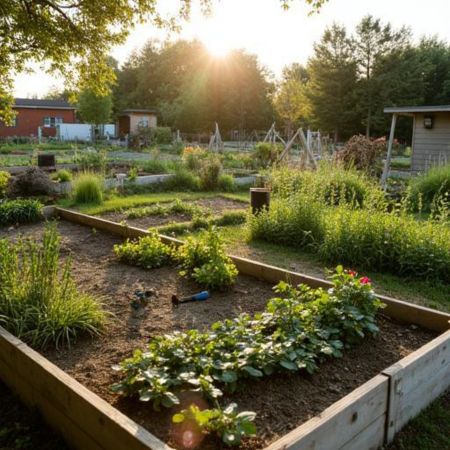
Start by getting to know what’s available in your area. Local libraries often have free books, workshops, and even seed libraries where you can get seeds at no cost. Community gardens can give you access to shared growing space, tools, and knowledge from more experienced gardeners.
You can also connect with neighbors, friends, or local groups who share similar interests. Sometimes people have extra seedlings, tools they’re not using, or advice they’re happy to pass along.
Don’t be afraid to ask questions or start conversations. You might be surprised at how willing people are to help.
Building these connections not only saves money, but it also makes the process more enjoyable. You’ll learn faster, feel supported, and become part of a community that values the same simple, sustainable lifestyle you’re working toward.
8. Barter, Trade, and Share Instead of Buying
Before money became the main way of exchanging goods, people relied heavily on bartering and trading. It’s a practice that still works beautifully today.
Think about what you can offer. Maybe you can bake, babysit, help with yard work, or share extra produce once your garden starts growing. These skills and resources can be traded for things you need, like tools, seeds, or even help with a project.
Local groups, online communities, and even neighborhood conversations can lead to simple trades that benefit everyone involved. For example, you might trade homemade bread for fresh eggs or offer to help someone set up their garden in exchange for extra seedlings.
Sharing is another powerful option. Not everything needs to be owned individually. Borrowing tools, splitting bulk items, or sharing harvests can reduce costs while building stronger connections.
When you step outside the mindset of always needing to buy something, you’ll find that there are so many creative ways to get what you need without spending money.
9. Start Small and Build Slowly Over Time

It can be really tempting to dive into everything at once when you feel inspired to start homesteading. However, if you’re working with little to no budget, starting small is one of the smartest things you can do.
Focus on one or two simple projects at a time. Maybe that’s growing a few herbs, starting a compost bin, or learning how to cook more meals from scratch. These small steps are manageable, affordable, and give you a chance to build confidence as you go.
As you gain experience, you can expand little by little. Add a few more plants, try a new skill, or take on a slightly bigger project. This gradual approach helps you avoid feeling overwhelmed and keeps things enjoyable.
It also allows you to make better decisions. Instead of rushing into purchases or projects you might not need, you’ll have a clearer understanding of what works best for your space and lifestyle.
Over time, those small beginnings grow into something really meaningful, and you’ll be amazed at how far you’ve come.
10. Focus on High-Impact Projects First
When your time and resources are limited, it’s important to prioritize the things that will make the biggest difference. As you explore how to start a homestead with no money, focusing on high-impact projects can help you see results faster and stay motivated.
Start with projects that either save you money or provide something you use regularly. Growing herbs is a great example. They’re easy to care for, don’t require much space, and can replace store-bought options quickly.
Composting is another powerful project. When you start your own compost bin, you turn kitchen scraps that would normally get thrown away into nutrient-rich soil for your garden.
Cooking more meals from scratch is also a high-impact change. It reduces your grocery bill and helps you rely less on processed foods, all while building valuable skills.
By focusing on these kinds of projects first, you create a strong foundation for your homestead. You’ll start to see real benefits, which makes it easier to stay consistent and keep moving forward.
Once these basics are in place, you can continue building and expanding in a way that feels natural and sustainable.
11. Embrace DIY and Repurpose Everything You Can

One of the most rewarding parts of learning how to start a homestead with no money is realizing just how much you can create yourself. Instead of buying new, you begin to see everyday items as opportunities. This is where homesteading really starts to feel creative and fun.
Look at what you already have and ask, “How else could I use this?” Old t-shirts can become cleaning rags, glass jars can turn into storage containers, and wooden pallets can be repurposed into garden beds or simple shelving.
Related: How to Make All of the Cleaning Products You’ll Ever Need at Home
DIY doesn’t have to be complicated or perfect. In fact, it’s often better when it’s simple.
Start with small projects that solve a problem or make your daily routine easier. As you gain confidence, you can take on bigger projects that add even more value to your homestead.
This mindset not only saves money, but it also reduces waste and helps you live more sustainably. You’ll find yourself throwing away less and appreciating what you have so much more.
12. Raise Animals Later (And Start With the Right Ones)

It’s easy to picture chickens, goats, or other animals when you think about homesteading, but if you’re starting with no money, it’s usually best to wait a little before bringing animals into the mix.
Animals require ongoing care, supplies, and sometimes unexpected expenses, so it’s important to build a strong foundation first.
When you’re just starting out, focus on skills and systems that prepare you for animals later on. Things like growing food, managing waste through composting, and creating simple structures will all come in handy when the time is right.
When you do feel ready, start with animals that are relatively low-cost and manageable. Chickens are often a popular first choice because they don’t require a lot of space and can provide eggs regularly.
Even then, it’s worth looking for ways to keep costs down, such as sourcing secondhand materials for a coop or checking local listings for affordable or free birds.
Waiting might not feel exciting at first, but it sets you up for long-term success and helps you avoid unnecessary stress or expenses.
13. Create a Simple, Sustainable Routine That Works for You
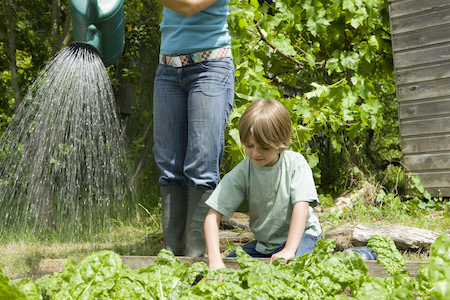
Homesteading doesn’t have to be overwhelming or time-consuming to be effective. In fact, one of the best ways to make it sustainable is by creating a routine that fits naturally into your daily life. Consistency matters so much more than doing everything perfectly.
Start by building small habits into your day. Water your plants at the same time each morning, save kitchen scraps for compost as you cook, or spend a few minutes tending to your space in the evening.
These simple routines help you stay on track without feeling like you’re adding a huge new responsibility to your plate.
Related: How to Start a Homestead When You Have a Full-Time Job
Pay attention to what works for you and adjust as needed. Your routine doesn’t have to look like anyone else’s. The goal is to create a rhythm that feels manageable and enjoyable, not stressful.
Over time, these small daily actions become second nature. Your homestead starts to run more smoothly, and you’ll feel more connected to the process in a really meaningful way.
14. Be Patient: A Homestead Grows Step by Step

It’s completely natural to want quick results, especially when you’re excited about starting something new. However, one of the most important lessons in learning how to start a homestead with no money is that it takes time, and that’s actually a good thing.
Plants need time to grow, skills take time to develop, and systems take time to come together. There will be moments where things don’t go as planned, and that’s all part of the process. Every mistake is a chance to learn and improve.
Instead of focusing on how far you have to go, try to notice how much progress you’re making along the way. Maybe you’ve successfully grown your first herbs, reduced your food waste, or learned a new skill. These are all meaningful steps forward.
Patience allows you to build your homestead in a way that’s thoughtful and sustainable. You’re not rushing or forcing things, you’re creating something that will last.
Honestly, that slower pace is part of what makes homesteading so special in the first place.
Final Thoughts: You Can Start a Homestead Today
If there’s one thing I hope you take away from this post, it’s that you don’t need to wait for the perfect time, the perfect space, or a big budget to begin. Learning how to start a homestead with no money is really about shifting your perspective and taking that first small step.
You already have more than you think. Whether it’s a small space, a few basic supplies, or simply the willingness to learn, that’s enough to get started. From there, you can build, grow, and expand in a way that feels right for you.
Homesteading isn’t about perfection. It’s about progress, creativity, and reconnecting with a simpler way of living. Every little step you take brings you closer to a more sustainable and self-sufficient lifestyle.
So start today, even if it’s something small. Your future homestead will grow from the choices you make right now.