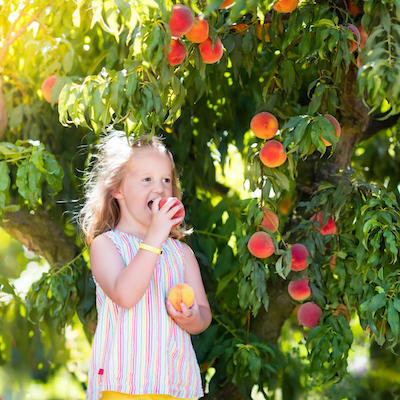
15 of the Best Tomato Companion Plants
The Best Companion Plants for Tomatoes (And What You Should Avoid!)
If you’ve ever planted tomatoes and hoped for the best, only to end up battling pests, poor growth, or disappointing harvests, you’re not alone. The good news is that tomato companion plants can completely transform the way your garden grows.
Once you start pairing your tomatoes with the right neighbors, you’ll wonder how you ever gardened without this simple, time-tested method.
In my own garden, I’ve seen firsthand how the right plant partnerships can make tomatoes stronger, more resilient, and even more flavorful. It’s one of those little shifts that feels almost magical, but it’s really just working with nature instead of against it.
In this post, we’ll explore the best companion plants to grow alongside your tomatoes so you can create a thriving, balanced garden that practically takes care of itself.
Also, keep in mind that if you’re looking for an easy way to plan your garden, you can grab this printable companion planting chart to quickly see what to plant together (and what to avoid). This can help you grow healthier, more productive tomatoes with confidence!
What Is Companion Planting?

If you’ve ever noticed how some plants seem to thrive when they’re grown together, while others struggle side by side, you’ve already seen companion planting in action. Companion planting is the practice of intentionally pairing certain plants together so they can support each other’s growth in natural, beneficial ways.
Think of your garden like a little community. Instead of each plant fending for itself, companion plants work together.
Some help repel pests, others improve the soil, and some even enhance the flavor or growth of their neighbors. When you plant with these relationships in mind, you’re creating a more balanced, self-sustaining garden that requires less effort and fewer interventions.
What I love most about companion planting is that it aligns so beautifully with a natural, eco-friendly approach to gardening. Instead of relying on synthetic fertilizers or pesticides, you’re letting nature do the heavy lifting. It’s a simple shift, but it can make a huge difference in how healthy and productive your garden becomes.
With that in mind, here are some of the best tomato companion plants you should consider pairing together in your garden.
1. Basil: The Classic Tomato Companion
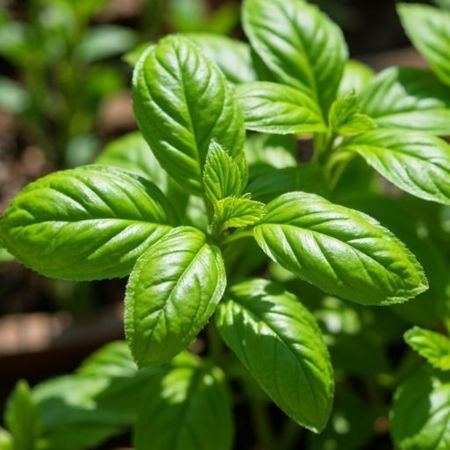
If there’s one plant that practically begs to be grown alongside tomatoes, it’s basil. Not only do they pair perfectly in the kitchen, but they also support each other beautifully in the garden.
Basil is known for its strong aroma, which can help confuse and deter common tomato pests like aphids, whiteflies, and even tomato hornworms. When pests can’t easily locate your tomato plants, they’re much less likely to stick around and cause damage.
In my own garden, I love planting basil right at the base of my tomato plants. It acts almost like a living shield, creating a fragrant barrier that helps protect your crop.
Related: Enjoy Fresh Tomatoes Throughout the Year With These Indoor Growing Tips
There’s also a long-standing belief among gardeners that basil can enhance the flavor of tomatoes when grown nearby. While this is a bit debated scientifically, many gardeners swear they notice a difference in taste.
Another benefit is how well basil fits into the tomato growing environment. Both plants thrive with plenty of sunlight, warm temperatures, and consistent watering, which makes them incredibly easy to care for together. Plus, basil stays relatively low to the ground, so it won’t compete for light.
2. Marigolds: Natural Pest Control Powerhouses
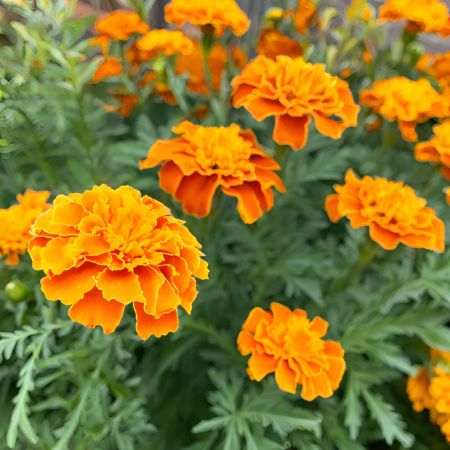
Marigolds are one of those must-have flowers in an eco-friendly garden, especially when you’re growing tomatoes. These cheerful blooms do much more than brighten up your space. They actively help protect your plants from a range of pests, making them one of the best companion plants you can choose.
One of their biggest benefits is their ability to deter harmful nematodes in the soil. Nematodes are microscopic pests that can damage tomato roots and reduce your plant’s ability to absorb nutrients. Certain types of marigolds release compounds into the soil that help suppress these pests naturally, which is such a win if you’re trying to garden without synthetic treatments.
Above ground, marigolds also help repel insects like aphids, whiteflies, and beetles. Their strong scent acts as a natural deterrent, making it harder for pests to locate your tomato plants. At the same time, they attract beneficial insects like ladybugs and hoverflies, which feed on the very pests you’re trying to control.
I like to plant marigolds around the edges of my tomato beds or tuck them in between plants for added protection. Not only do they support a healthier garden, but they also bring in pollinators and add a beautiful burst of color that makes your space feel vibrant and alive.
3. Garlic: A Natural Defender for Your Tomatoes
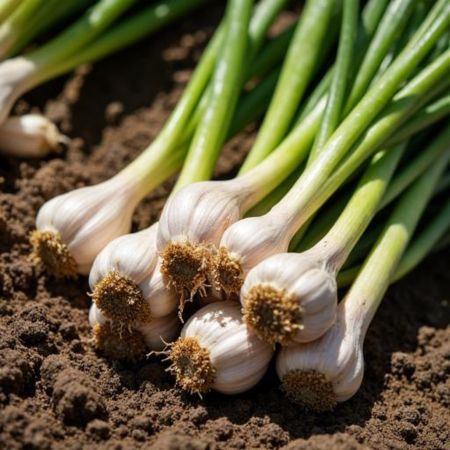
Garlic is one of those quiet but powerful companion plants that works behind the scenes to keep your tomatoes healthy. Thanks to its strong smell and natural antimicrobial properties, garlic can help deter a wide range of pests while also supporting overall plant health.
When you plant garlic near your tomatoes, it releases sulfur compounds into the soil and air. These compounds are known to repel pests like spider mites, aphids, and even some beetles. This makes garlic an excellent natural defense.
Garlic may also help reduce the risk of certain fungal diseases, which tomatoes can be prone to, especially in humid conditions. While it’s not a cure-all, having garlic nearby can contribute to a healthier growing environment overall.
Another thing I love about growing garlic with tomatoes is how little space it requires. Garlic grows vertically and doesn’t spread much, so you can easily tuck it in between tomato plants without worrying about crowding. It also doesn’t compete heavily for nutrients, making it a low-maintenance addition.
Plus, just like basil, garlic gives you a delicious bonus harvest. Having fresh garlic on hand while your tomatoes are ripening makes it even easier to enjoy all those homemade, garden-fresh meals.
4. Onions: Simple, Effective Pest Protection
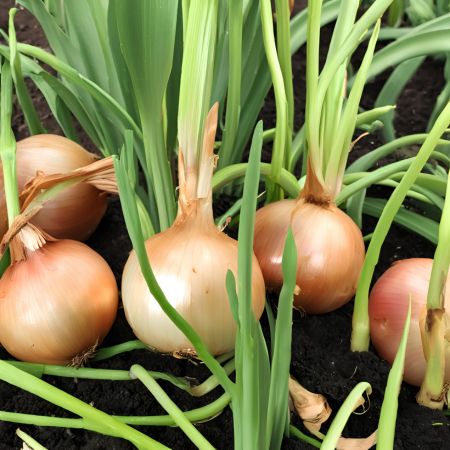
Onions are another fantastic companion plant for tomatoes, especially if you’re looking for something easy to grow that offers real benefits. As part of the allium family, onions release compounds that naturally repel many common garden pests, making them a great addition to your tomato beds.
Their scent plays a big role in pest control. It can help deter aphids, carrot flies, and other insects that might otherwise be drawn to your tomatoes. By masking the smell of your tomato plants, onions make it harder for pests to find their target.
Another reason onions work so well with tomatoes is that they have a very different growth habit. Onions grow mostly underground, while tomatoes grow tall and above the soil. This means they don’t compete much for space or sunlight, allowing you to maximize your garden area without overcrowding.
In my experience, onions are also incredibly low-maintenance. Once they’re planted, they require minimal care and can thrive alongside tomatoes without much attention. You can plant them in rows between your tomato plants or scatter them throughout your garden for added protection.
It’s such a simple pairing, but it can make a noticeable difference in reducing pest pressure while helping you grow a more balanced and productive garden.
5. Chives: Small Plant, Big Benefits
Chives may be small, but they pack a surprisingly powerful punch when it comes to companion planting with tomatoes. As another member of the allium family, chives share many of the same pest-repelling properties as garlic and onions, but with a softer, more compact growth habit.
Chives help deter pests like aphids and spider mites, which can be a common issue for tomato plants. Their mild onion-like scent acts as a natural repellent, helping to keep unwanted insects at bay without the need for chemical sprays.
One of the things I love most about chives is how versatile they are in the garden. Because they stay relatively small, you can easily plant them around the base of your tomatoes or along the edges of your garden beds. They won’t compete for light, and they take up very little space, making them perfect for smaller gardens or raised beds.
Chives also produce delicate purple flowers that attract pollinators and beneficial insects. This can help improve your overall garden ecosystem and support better tomato yields over time.
Plus, just like the other companions on this list, chives give you something back in the kitchen too. Fresh chives are such a simple way to add flavor to meals, making this a practical and beautiful addition to your tomato garden.
6. Nasturtiums: A Beautiful Trap Crop That Protects Your Tomatoes

Nasturtiums are one of those companion plants that do a little bit of everything, and they do it beautifully. If you’re looking for a natural way to protect your tomatoes from pests, nasturtiums are an easy and effective addition to your garden.
They’re often referred to as a “trap crop,” which means they attract pests like aphids away from your tomatoes and onto themselves. It sounds counterintuitive at first, but it works incredibly well.
Instead of pests swarming your tomato plants, they’re drawn to the nasturtiums, leaving your tomatoes healthier and less stressed. Nasturtiums can also help repel other unwanted insects like whiteflies and squash bugs, adding another layer of protection.
What I really love about nasturtiums is how they grow. Their trailing habit makes them perfect for spilling over the edges of raised beds or filling in empty spaces around your tomato plants. This helps create a living ground cover that can suppress weeds and keep the soil from drying out too quickly.
As a bonus, nasturtiums are edible, and their peppery leaves and flowers can add a fun pop of flavor to salads. So not only are they protecting your tomatoes, but they’re also giving you an extra harvest to enjoy.
7. Carrots: Improving Soil Health Beneath the Surface
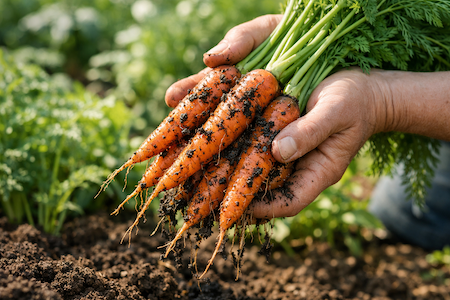
Carrots might not seem like an obvious companion for tomatoes, but they play a really important role below the soil. As carrots grow, they naturally loosen and aerate the soil with their long taproots. This helps improve drainage and allows water, oxygen, and nutrients to reach your tomato roots more easily.
Healthier soil structure leads to stronger tomato plants, and stronger plants are better able to resist pests and disease. It’s one of those behind-the-scenes benefits that can make a noticeable difference over time.
Tomatoes return the favor by providing a bit of shade for carrots, especially during the hottest parts of the growing season. Carrots prefer slightly cooler soil, so this light shade can help prevent them from becoming stressed or drying out too quickly.
Because carrots grow underground and tomatoes grow above ground, they don’t compete much for space. This makes them a great option if you’re trying to maximize your garden area. You can plant carrots in between your tomato plants and make use of every inch of soil.
It’s such a simple pairing, but it creates a more balanced growing environment that benefits both plants in subtle but meaningful ways.
8. Lettuce: A Living Mulch for Your Tomato Beds

Lettuce is one of my favorite companion plants for tomatoes, especially if you’re trying to make the most of your garden space. It grows quickly, stays low to the ground, and fits perfectly beneath taller tomato plants.
One of the biggest benefits of planting lettuce alongside tomatoes is that it acts like a living mulch. By covering the soil, lettuce helps retain moisture, reduce evaporation, and keep the ground cooler. This is especially helpful during hot summer months when tomato plants can become stressed from heat and dry conditions.
Lettuce also helps suppress weeds by taking up space that might otherwise be filled by unwanted plants. Less weeding means less work for you, which is always a win.
Tomatoes, in turn, provide partial shade for lettuce, which can help extend its growing season. Lettuce tends to bolt, or go to seed, quickly in hot weather. The shade from tomato plants can slow this process down and keep your lettuce harvest going longer.
Since lettuce has shallow roots, it doesn’t compete heavily with tomatoes for nutrients. This makes it an easy, low-maintenance companion that adds both beauty and function to your garden.
9. Spinach: A Cool-Weather Companion That Supports Soil Health
Spinach works in a very similar way to lettuce, but it brings its own unique benefits to your tomato garden. It’s another low-growing plant that can act as a living ground cover, helping to protect the soil and create a healthier growing environment.
By shading the soil, spinach helps retain moisture and regulate temperature, which can be especially helpful during periods of fluctuating weather. This creates more stable conditions for your tomato plants, allowing them to grow more consistently.
Spinach also helps reduce weed growth by filling in gaps around your tomato plants. When your soil is covered, there’s simply less room for weeds to take hold, which saves you time and effort.
One of the great things about spinach is that it tends to grow well in cooler conditions, so you can plant it early in the season before your tomatoes really take off. By the time your tomato plants are fully grown and need more space, your spinach will often be ready to harvest.
This makes spinach a great transitional crop that supports your garden at different stages of the growing season. It’s a simple way to keep your garden productive while also improving the overall health of your soil.
10. Borage: A Pollinator Magnet With Powerful Benefits
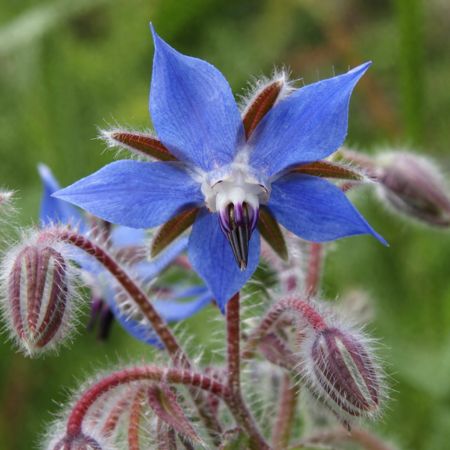
Borage is one of those companion plants that truly brings your garden to life. If you want to attract pollinators and boost your tomato harvest, borage is an incredible choice. Its bright blue, star-shaped flowers are highly attractive to bees and other beneficial insects, which play a key role in pollinating your tomato plants.
More pollinators in your garden often means better fruit production, which is exactly what you want when growing tomatoes. However, borage doesn’t stop there. It’s also known for helping deter tomato hornworms, one of the most common and frustrating pests for tomato growers.
Another benefit of borage is its ability to improve soil health. As it grows, it can help bring nutrients up from deeper in the soil, making them more accessible to nearby plants. When borage leaves break down, they can also add valuable organic matter back into the soil.
Borage tends to grow a bit larger than some other companion plants, so it’s best to give it a little space near your tomatoes rather than crowding it in too closely. Once established, it’s fairly low-maintenance and often self-seeds, meaning it may come back year after year.
It’s one of those plants that supports your garden in multiple ways while adding a beautiful, natural charm to your space.
11. Parsley: A Magnet for Beneficial Insects
Parsley might seem like a simple herb, but it plays a powerful role in supporting your tomato plants. One of its biggest strengths is its ability to attract beneficial insects, especially hoverflies and parasitic wasps. These helpful insects feed on common tomato pests like aphids, which can quickly get out of control if left unchecked.
When you plant parsley near your tomatoes, you’re essentially inviting natural pest control into your garden. Instead of reaching for sprays, you’re creating a balanced ecosystem where good bugs keep the bad ones in check. It’s such an easy and eco-friendly way to protect your plants.
Parsley also has a compact growth habit, which makes it easy to tuck in around your tomato plants without taking up too much space. It doesn’t compete heavily for nutrients or sunlight, so both plants can thrive side by side.
Another thing I love about parsley is how long it stays productive. You can keep harvesting it throughout the season while your tomatoes are growing and ripening. It’s one of those companion plants that quietly supports your garden while also giving you a steady supply of fresh herbs for your kitchen.
12. Cilantro: Bringing Balance to Your Garden Ecosystem
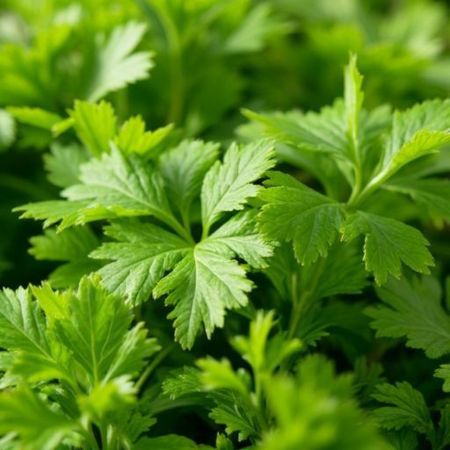
Cilantro is another herb that works beautifully as a companion plant for tomatoes, especially if you’re focused on creating a more natural, balanced garden. When cilantro begins to flower, it produces delicate blooms that attract a wide range of beneficial insects, including ladybugs, lacewings, and parasitic wasps.
These insects are incredibly helpful because they prey on pests like aphids, spider mites, and caterpillars that can damage your tomato plants. By planting cilantro nearby, you’re encouraging these natural predators to stick around and do the work for you.
Cilantro also grows quickly, which makes it a great early-season companion. You can plant it before your tomatoes fully mature, and by the time your tomato plants need more space, your cilantro will likely be ready to harvest.
Like parsley, cilantro doesn’t compete heavily with tomatoes for resources. It has a relatively shallow root system and a light, airy growth habit that fits nicely into your garden layout.
What makes cilantro especially valuable is how it supports biodiversity in your garden. The more diverse your garden is, the more resilient it becomes. Adding cilantro is a simple way to strengthen your garden’s natural defenses while enjoying a fresh, flavorful herb at the same time.
13. Asparagus: A Unique Partnership That Benefits Both Plants
Asparagus and tomatoes might seem like an unusual pairing, but they actually have a fascinating and mutually beneficial relationship. When grown together, these two plants can help protect each other from common pests, making them a great example of companion planting in action.
Tomatoes are known to produce a natural compound called solanine, which can help repel asparagus beetles. These beetles are one of the main pests that affect asparagus, so having tomatoes nearby can offer an extra layer of protection.
In return, asparagus is believed to help deter nematodes, which are tiny soil-dwelling pests that can damage tomato roots. Healthier roots mean stronger tomato plants that are better able to absorb nutrients and water.
Since asparagus is a perennial plant and tomatoes are annuals, you can plan your garden in a way that allows them to coexist without competing too heavily. Tomatoes can be planted around established asparagus beds, making use of the available space without disrupting the asparagus roots.
This pairing works especially well in gardens where you’re thinking long-term and want to create a more integrated growing system. It’s a great reminder that companion planting isn’t just about convenience, it’s also about building relationships between plants that support each other over time.
14. Peppers: Easy Companions With Similar Growing Needs
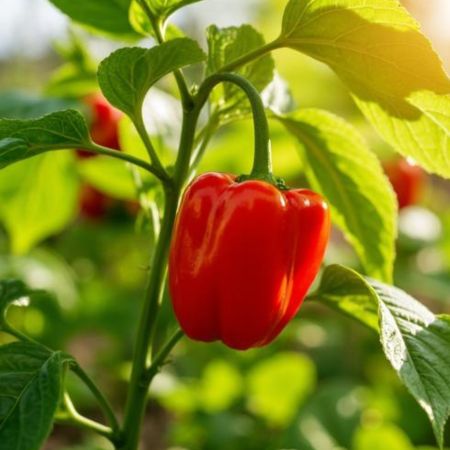
Peppers and tomatoes are like garden siblings. They belong to the same plant family and thrive in very similar growing conditions, which makes them incredibly easy to grow together.
While they don’t necessarily provide strong pest control benefits for each other, their compatibility makes them excellent companions.
Both peppers and tomatoes love full sun, warm temperatures, and consistent watering. This means you can care for them in the same way without having to adjust your routine for different plants. If you’re looking for a low-maintenance garden setup, this pairing is a great choice.
Related: Can You Grow Peppers Indoors? Everything You Need to Know!
Since they have similar nutrient needs, it’s important to make sure your soil is rich and well-amended so both plants can thrive. Adding compost or organic fertilizer can help support healthy growth for both crops.
One thing to keep in mind is spacing. Since both plants can grow fairly large, giving them enough room to breathe will help prevent overcrowding and reduce the risk of disease.
Even though peppers don’t actively repel pests or improve soil in the same way some other companion plants do, their ability to grow harmoniously with tomatoes makes them a practical and efficient addition to your garden.
15. Calendula: A Bright Flower With Big Benefits
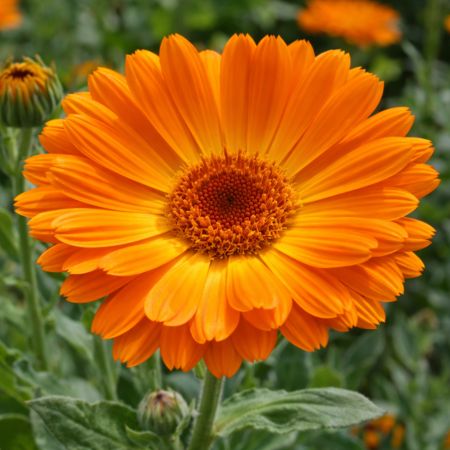
Calendula is one of those companion plants that brings both beauty and function to your tomato garden. Its bright, cheerful flowers do more than just look pretty, they help create a healthier and more balanced growing environment.
One of the biggest benefits of calendula is its ability to attract beneficial insects like ladybugs, lacewings, and pollinators. These insects play a key role in controlling pests and improving pollination, which can lead to better tomato yields.
Calendula may also help repel certain pests, including aphids and whiteflies, thanks to its natural compounds and strong scent. This makes it a helpful addition if you’re trying to reduce pest pressure without using chemical treatments.
Another thing I love about calendula is how easy it is to grow. It’s low-maintenance, adaptable, and can thrive in a variety of conditions. You can plant it along the edges of your tomato beds or mix it in between plants for added protection.
As a bonus, calendula flowers are edible and often used in herbal remedies and natural skincare. So while it’s supporting your tomatoes, it’s also giving you something extra to enjoy.
The Worst Companion Plants for Tomatoes
While there are a lot of different crops that make successful companion plantings with tomatoes, there are also some that you should avoid planting nearby because they can have negative effects. It’s a good idea to keep these plants separated from your tomato plants.
Green Beans: Competing Growth and Conflicting Needs
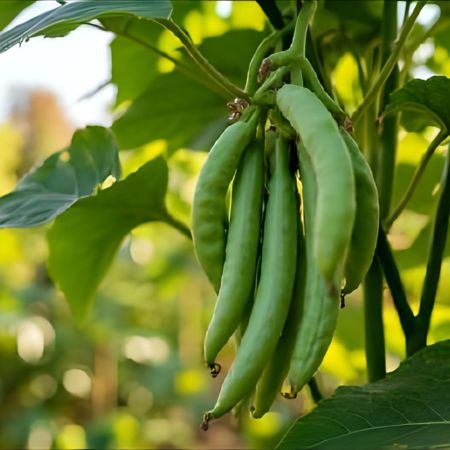
Green beans might seem like a great garden addition, but they’re not the best match for tomatoes. Beans can interfere with tomato growth by competing for nutrients, especially nitrogen.
While beans are known for fixing nitrogen in the soil, this process doesn’t always benefit neighboring plants in the way you might expect. In some cases, it can actually throw off the balance tomatoes need to thrive.
Related: Everything You Need to Know About Growing Green Beans Indoors
There’s also some evidence that beans can stunt tomato growth when planted too closely. Both plants grow actively during the same time of year, which increases competition for space, sunlight, and water. To keep your tomatoes strong and productive, it’s best to give beans their own space in the garden.
Beets: Root Competition Below the Surface

Beets and tomatoes don’t make the best companions because they compete heavily below the soil. Both plants rely on strong root systems to absorb nutrients and water, and when they’re planted too close together, this competition can limit their growth.
Beets are root vegetables that need space to develop properly, while tomatoes have spreading root systems that can interfere with that process. This can lead to smaller beet harvests and less vigorous tomato plants.
Another thing to consider is that beets prefer slightly different soil conditions than tomatoes. Trying to meet the needs of both plants in the same space can make it harder for either one to truly thrive.
Cabbage: A Heavy Feeder That Competes With Tomatoes
Cabbage is a heavy feeder, meaning it requires a lot of nutrients to grow well. When planted near tomatoes, it can quickly deplete the soil, leaving fewer nutrients available for your tomato plants.
Both cabbage and tomatoes need plenty of nitrogen and other essential nutrients, so growing them together often leads to competition rather than cooperation. This can result in slower growth and reduced yields for both crops.
Cabbage can also attract pests like cabbage worms and loopers, which may spread to nearby plants. Keeping cabbage separate helps reduce the risk of pest issues affecting your tomatoes.
Corn: Creating Shade and Attracting Shared Pests
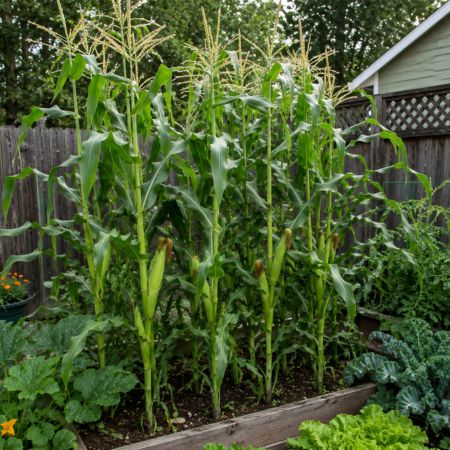
Tomatoes and corn don’t pair well because they compete for space and sunlight. Corn grows tall and can easily cast shade over tomato plants, which need full sun to produce healthy fruit.
Another concern is that corn and tomatoes can attract some of the same pests, including certain types of caterpillars. Planting them together can make it easier for pests to spread between crops and become more difficult to control.
Both plants are also heavy feeders, which means they compete for nutrients in the soil. This combination can leave your tomatoes struggling to get what they need to grow and produce well.
Potatoes: Increased Risk of Disease
Potatoes are one of the worst companion plants for tomatoes because they share many of the same diseases, especially blight. When these plants are grown close together, it increases the chances of disease spreading quickly between them.
Both tomatoes and potatoes belong to the same plant family, which means they’re vulnerable to similar pests and soil-borne issues. Planting them together can create an environment where problems spread more easily and become harder to manage.
They also compete for nutrients and space, particularly below the soil. To protect your tomato plants and reduce the risk of disease, it’s best to keep potatoes planted in a separate area of your garden.
Grow a Healthier Tomato Garden Naturally
At the end of the day, choosing the right companion plants for your tomatoes is one of the simplest ways to create a healthier, more balanced garden. When you thoughtfully pair your tomatoes with supportive neighbors, you’re building a little ecosystem that works with you instead of against you.
What I love most about companion planting is how it helps you garden more naturally. Instead of relying on synthetic fertilizers or pesticides, you’re letting plants, pollinators, and beneficial insects do the heavy lifting. It’s a more sustainable approach that leads to stronger plants, fewer pest problems, and often even better harvests.
As you plan your garden, remember that you don’t have to do everything at once. Start by adding a few tomato-friendly companions like basil or marigolds, then build from there as you see what works best in your space. Every garden is a little different, and part of the fun is discovering what combinations thrive for you.
With the right companion plants in place, your tomatoes will have the support they need to grow strong, stay healthy, and reward you with a delicious, abundant harvest.