
Genius Ways to Reuse Banana Peels Around the House
15 Awesome Ways to Reuse Banana Peels
Before you toss that banana peel in the trash, take another look because it still has plenty of useful life left! From nourishing plants to polishing household items, there are so many clever ways to reuse banana peels around your home and garden.
I used to think banana peels belonged in the compost bin, but I quickly discovered they can do much more. If you’re looking for simple ways to reduce food waste, save money, and make your everyday routine a little more sustainable, these creative ideas will help you put those leftover peels to good use.
1. Add Banana Peels to Your Compost Bin

One of the easiest ways to reuse banana peels is to add them to your compost bin. Like other fruit scraps, banana peels are considered a “green” compost material because they add nitrogen and moisture to the pile. Over time, they break down and become part of the nutrient-rich compost you can use throughout your garden.
To help the peels decompose faster, I like to cut them into smaller pieces before adding them to my compost. Be sure to balance these scraps with plenty of “brown” materials, such as dry leaves, shredded cardboard, untreated paper, or small twigs. This helps prevent excess moisture and unwanted odors.
Related: The Easiest Way to Compost Without a Compost Bin
You can compost banana peels whether they’re fresh, bruised, or overripe. Just remember that even biodegradable food scraps should not be tossed outdoors, since they can attract animals and take longer to break down without the proper composting conditions.
2. Make Banana Peel Fertilizer for Your Plants
You may have seen recipes for homemade banana peel water that involve soaking peels in water and pouring the liquid onto plants. While banana peels contain nutrients such as potassium, those nutrients don’t instantly become a complete fertilizer simply because the peels are soaked.
Related: Genius Ways to Orange Peels Around Your House
If you would still like to try this reuse idea, place a chopped banana peel in a covered jar of water for a day or two. Strain the liquid, dilute it with fresh water, and use it occasionally to water your plants. Avoid letting the mixture sit for too long, since it can ferment, smell unpleasant, or attract pests.
I recommend viewing banana peel water as a small soil supplement rather than a replacement for compost or a balanced fertilizer. For a more reliable way to return the peel’s nutrients to your plants, composting it first is usually the better option.
3. Bury Banana Peels in the Garden

If you don’t have a compost bin, you can reuse banana peels through trench composting. This simple method lets the peels slowly break down directly in the soil.
Start by chopping the banana peels into small pieces. Dig a hole or narrow trench at least several inches deep in an unused part of your garden, add the peels, and cover them completely with soil. Choose a spot away from plant stems and delicate roots so the decomposing scraps do not interfere with your plants.
It’s important to bury banana peels deeply enough that pets and wildlife can’t easily dig them up. You should also avoid adding too many peels to one small area, since a pile of food waste can create odors and attract pests.
When used sparingly, trench composting is a convenient way to keep banana peels out of the trash while gradually adding organic matter to your garden soil.
4. Feed Banana Peels to a Worm Bin
Banana peels can also be added to a properly maintained worm bin. Composting worms help transform kitchen scraps into nutrient-rich worm castings, giving you another useful way to reduce household food waste.
Before adding a peel, chop it into small pieces and bury them beneath the bedding. Start with a small amount to see how quickly your worms process it. Since banana peels are moist and can attract fruit flies, I avoid leaving them exposed on the surface of the bin.
If your household goes through a lot of bananas, don’t add all the peels at once. Freeze the extras and feed them to your worms gradually.
Freezing can also help prevent fruit fly eggs from entering the bin. Keep an eye on moisture levels, and add dry shredded cardboard or paper if the bedding becomes too wet. A healthy worm bin should smell earthy rather than sour or rotten.
5. Use Banana Peels to Attract Butterflies
Overripe fruit can attract certain fruit-feeding butterflies, so a small piece of banana peel may help you observe these beautiful visitors in your yard. Place the peel on a raised feeding dish in a shady location near butterfly-friendly plants. Make sure the feeding station is somewhere you can easily monitor and clean.
This method should be used carefully. Rotting fruit can also attract ants, wasps, flies, rodents, and other unwanted visitors.
Related: How to Attract Bees to Your Garden for Better Plant Pollination
I recommend offering only a small amount, keeping it away from doors and seating areas, and removing it before it becomes moldy or develops a strong odor. Never leave peels scattered on the ground.
A fruit feeding station can be a fun occasional addition, but the best long-term way to welcome butterflies is to grow native nectar plants and host plants. These provide more dependable food and habitat while supporting the butterfly’s entire life cycle.
6. Make a Banana Peel Trap for Garden Pests
An overripe banana peel can be used as bait in a simple trap for fruit flies and some other insects attracted to fermenting fruit. Place a small piece of peel inside a jar, then cover the opening with a paper funnel. The narrow opening makes it easier for insects to enter than to escape.
Set the trap near your compost container or another area where you have noticed fruit flies. Check it daily, replace the peel as needed, and clean the jar regularly. Avoid placing the trap directly beside plants because the scent could draw more insects toward them.
Related: How to Make Highly Effective Homemade Pesticides
Keep in mind that this method only traps adult fruit flies. It also doesn’t address the source of an infestation.
For better results, remove overripe produce, clean food residue from drains and counters, empty kitchen compost containers frequently, and store fruit properly. Prevention is usually more effective than relying on a trap alone.
7. Polish Houseplant Leaves With a Banana Peel

Dust can collect on broad houseplant leaves, blocking light and making your plants look dull. The soft inner side of a banana peel can help lift away some of this dust while giving the leaves a temporary shine.
Gently wipe each leaf with the inside of a fresh peel while supporting it from underneath with your other hand. Use a light touch so you don’t bend, tear, or bruise the leaf.
Related: Easily Keep Track of Your Plants’ Needs With This Houseplant Care Planner
Afterward, wipe the surface with a clean, damp cloth to remove any sticky residue that could attract pests.
I only recommend this method for sturdy plants with broad, smooth leaves. Avoid using banana peels on fuzzy, delicate, spiny, or very small leaves.
Plain water and a soft cloth are still the simplest choices for routine cleaning, but reusing a peel can be a handy option when you already have one available.
8. Shine Leather Shoes and Accessories
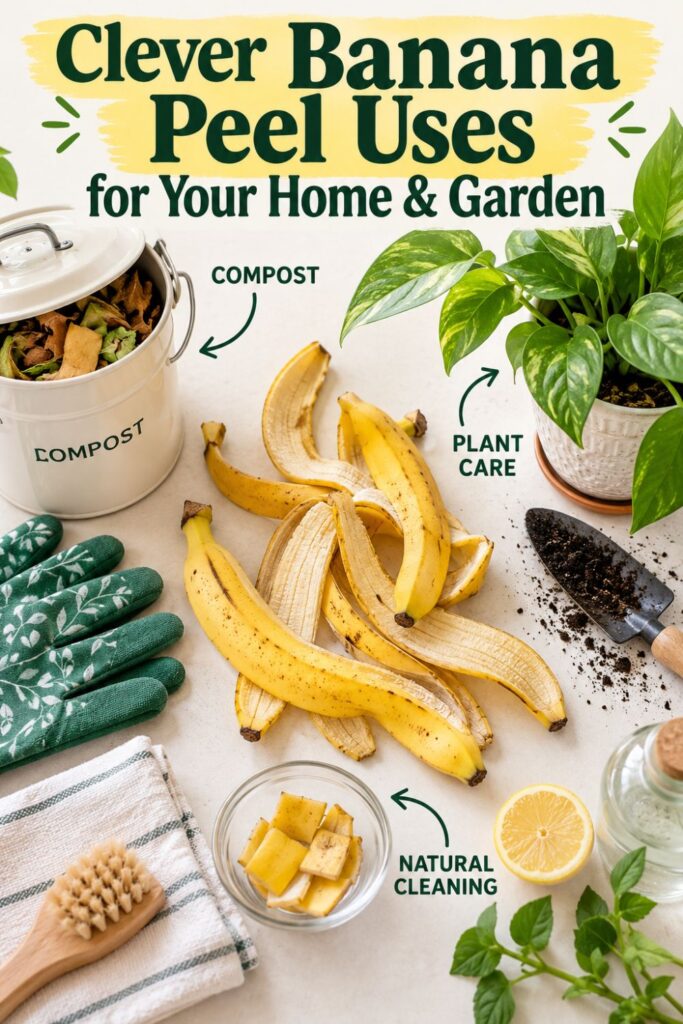
If your smooth leather shoes are looking a little dull, the inside of a banana peel may work as a quick, temporary polish. Natural oils and waxes on the peel can help loosen surface dirt and add a subtle shine.
First, remove any loose dirt from the leather with a clean, dry cloth. Rub a small section of the inside of the peel gently over the surface, then buff the leather thoroughly with a soft cloth.
I recommend testing this method on a hidden area first to make sure it doesn’t discolor or stain the material.
This trick is best suited to finished, smooth leather. Don’t use it on suede, nubuck, unfinished leather, vegan leather, or expensive items with special care instructions.
Banana peels also don’t condition or protect leather as reliably as a product designed for that purpose, so consider this a quick reuse idea rather than a complete leather-care routine.
9. Polish Silver With Banana Peels
Tarnished silver is another household item you may be able to freshen up with a leftover banana peel. To make a gentle polishing paste, blend the peel with a small amount of water until it reaches a smooth consistency.
Apply a little paste to the silver using a soft cloth, and rub gently rather than scrubbing. Rinse the item thoroughly with clean water, then dry and buff it immediately with another soft cloth.
Related: Amazing Things You Can Do With Tea Bags When You’re Done With Them
This method may help with light tarnish, although heavily tarnished pieces will likely need a proper silver-cleaning product.
Always test a small, inconspicuous area before treating the entire item. Avoid this method on valuable antiques, intentionally oxidized silver, silver-plated pieces with worn finishes, or jewelry containing porous gemstones, glued settings, or delicate details.
When you’re unsure, follow the manufacturer’s care directions or consult a professional.
10. Use Banana Peels in Your Skincare Routine

Social media is filled with claims that rubbing a banana peel on your face can brighten skin, treat acne, or reduce wrinkles. However, there’s not enough reliable evidence to show that applying banana peels directly to your skin provides these benefits.
Banana peels may also carry dirt, pesticide residue, or microorganisms. Plus, the natural compounds in them could irritate sensitive skin.
Related: How to Make Your Own Natural Eco Beauty Products at Home
If you still want to experiment, wash the banana thoroughly before peeling it, test the inside of the peel on a small patch of skin, and rinse your skin afterward. Stop immediately if you notice itching, redness, burning, or swelling.
I prefer to be cautious with this particular reuse idea. A gentle skincare product formulated and tested for your skin is a safer and more dependable choice. You can always compost the peel instead and enjoy its benefits in the garden without putting it on your face.
11. Soothe Itchy Bug Bites

Some people rub the inside of a banana peel over a mosquito bite as a natural way to calm itching. The cool, moist surface can sometimes reduce itching or inflammation for a short time.
If you decide to try this remedy, wash the banana before peeling it and gently hold the clean inner surface against unbroken skin for a few minutes.
Do not use it on bites that have been scratched open, are bleeding, or show signs of infection. Rinse the area afterward, and stop if you notice irritation.
Related: The Most Effective Herbal Remedies for Mosquito Bites
For more dependable relief, try a cool compress or another treatment recommended by a healthcare professional. Seek medical help if the bite causes trouble breathing, significant swelling, spreading redness, increasing pain, or other concerning symptoms.
When in doubt, the compost bin is still a useful and safer destination for that leftover peel.
12. Make a Banana Peel Hair Treatment
Banana peels are sometimes blended into homemade hair masks because bananas naturally contain oils and plant compounds.
However, there’s limited evidence that applying the peel to your hair provides noticeable benefits. Also keep in mind that it can leave behind sticky bits that are surprisingly difficult to rinse out.
Related: The Best Shampoo Bar for Every Hair Type (Tested!)
If you want to experiment, thoroughly wash the banana before peeling it. Blend the peel with enough water to create a completely smooth mixture, then strain it carefully.
Apply a small amount to the ends of your hair rather than your scalp, leave it on briefly, and rinse thoroughly. Test it on a small section first, especially if your hair is light-colored, chemically treated, or prone to buildup.
13. Cook With Banana Peels

Banana peels are edible when they’re properly cleaned and prepared. They’re commonly used in recipes such as curries, chutneys, stir-fries, baked goods, and shredded sandwich fillings.
Ripe yellow peels tend to be softer and sweeter, while green peels are firmer and usually require more cooking.
Related: 100+ Easy Vegetarian Recipes the Entire Family Will Love
Wash the whole banana thoroughly before peeling it. Remove the stem and tough bottom tip, scrape away any loose strings, and boil or simmer the peel until tender. You can then chop, blend, or shred it according to your recipe.
Banana peels can have a slightly bitter taste, so seasonings and cooking methods make a big difference. Start with a recipe specifically developed for banana peels rather than adding them to a dish at random.
14. Use Banana Peels to Keep Foods Moist
You may have heard that placing a banana peel over food while it cooks can help prevent it from drying out. This traditional trick is generally associated with keeping meat moist, but it may also be used experimentally with plant-based roasts or other foods that tend to dry out in the oven.
Place a thoroughly washed banana peel on top of the food with the outer yellow side facing up, then remove it before serving. Keep in mind that the peel may transfer a subtle banana flavor, and results can vary depending on the recipe.
For plant-based foods, a marinade, sauce, covered baking dish, or occasional basting will usually offer more predictable results. Banana peels don’t actually tenderize every type of food, so I would describe this as an optional moisture-retaining experiment rather than a guaranteed kitchen hack.
15. Make Banana Peel Vinegar
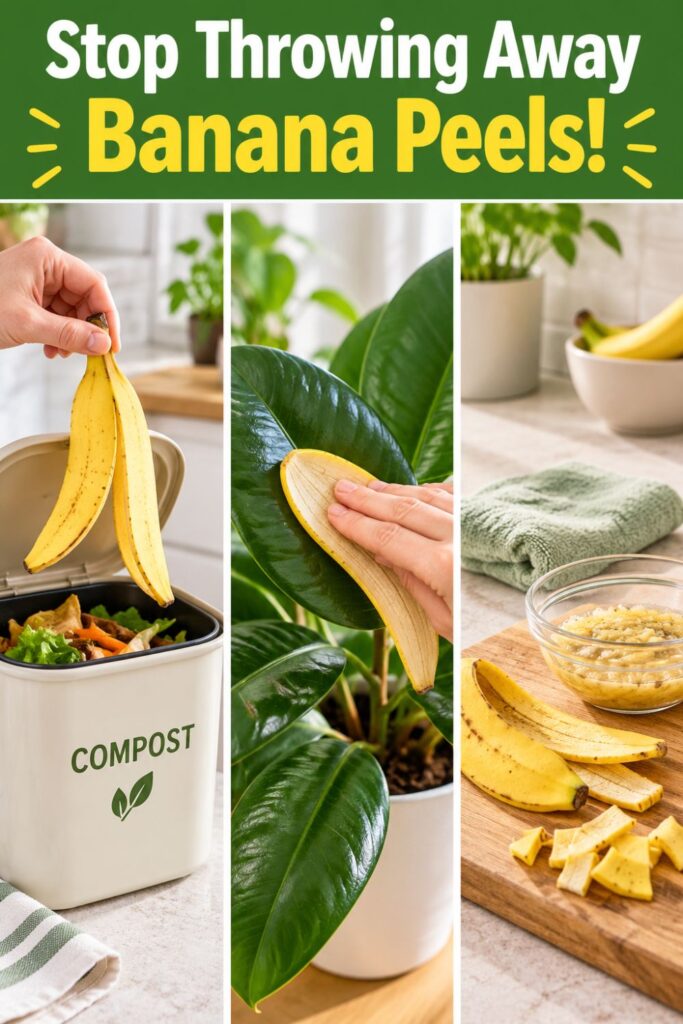
Banana peels can be fermented to create a homemade vinegar-like liquid. Recipes generally combine cleaned, chopped peels with water and sugar, then allow the mixture to ferment in a sterilized container over several weeks. However, fermentation requires careful preparation and monitoring to reduce the risk of mold or contamination.
Homemade banana peel vinegar can vary significantly in acidity. For that reason, you shouldn’t use it for canning, pickling, or any other type of food preservation that requires a verified acidity level.
I would also avoid using an untested homemade vinegar as a disinfectant or mixing it with other household cleaners.
If you’re new to fermentation, follow a trusted, thoroughly tested recipe rather than improvising. Discard the entire batch if it develops fuzzy mold, an unpleasant rotten odor, or other signs of spoilage.
How to Store Banana Peels Until You’re Ready to Use Them
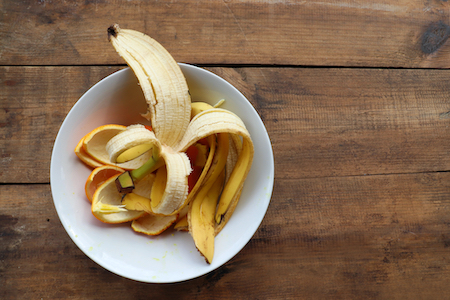
If you’re not ready to use a banana peel immediately, proper storage can prevent odors, fruit flies, and unnecessary mess. For short-term storage, place the peel in a sealed container or reusable silicone bag and keep it in the refrigerator. Try to use it within a day or two, especially if you plan to use it for cooking or another household purpose.
For longer storage, freezing is the best option. Cut the peels into smaller pieces, place them in a labeled freezer-safe container, and freeze them until you have enough for composting, worm feeding, or a specific recipe. Frozen peels will become soft after thawing, but that’s usually not a problem for these uses.
I recommend keeping peels intended for cooking separate from those saved for gardening or household projects. If a refrigerated peel develops mold, a rotten smell, or an unusually slimy texture, discard it in your compost or trash rather than using it.
Important Precautions When Reusing Banana Peels
Although banana peels are natural and biodegradable, not every popular reuse idea is effective or appropriate.
Wash the whole banana thoroughly under running water before peeling it, especially if you plan to use the peel in food, on your skin, or around household items. Washing can help remove surface dirt and some residues, although it doesn’t make every use risk-free.
Always test the peel on a small, hidden area before applying it to leather, silver, or another delicate surface. Avoid using it on valuable, antique, porous, unfinished, or specially treated items unless the manufacturer recommends it.
Don’t apply banana peels to broken or irritated skin, and stop if you experience redness, itching, or discomfort. Keep stored and decomposing peels away from pets and children.
Finally, remember that peels left exposed can attract ants, flies, rodents, and wildlife. Use only what you need, clean up promptly, and compost or dispose of the leftovers responsibly.
Give Your Banana Peels a Second Life
The next time you enjoy a banana, think twice before tossing the peel in the trash. From enriching your compost and feeding garden worms to polishing household items and experimenting with creative recipes, there are plenty of ways to reuse banana peels and reduce everyday food waste.
You certainly don’t need to try every idea on this list. Start with the option that feels easiest and most useful for your household. For me, composting or freezing banana peels for later use is a simple habit that fits naturally into a sustainable routine.
Even a small change can keep valuable organic material out of the trash and help you make the most of what you already have. Once you begin looking at kitchen scraps differently, you may discover that many other items you normally throw away still have something useful to offer.


