
The Best Potato Companion Plants for a Thriving Garden
Help Your Potatoes Thrive With the Best Companion Plants
Potatoes might grow underground, but the plants growing around them can make a big difference in how well they thrive. Choosing the right potato companion plants may help deter common pests, attract beneficial insects, make better use of your garden space, and support a healthier harvest.
If you’re wondering which plants deserve a spot beside your potatoes and which ones should be kept far away, you’re in the right place. I’ll walk you through the best companion plants for potatoes so you can create a thriving garden and hopefully enjoy plenty of delicious homegrown spuds.
What Is Companion Planting?

Companion planting is the practice of growing certain plants near one another because they may offer benefits in the garden. Instead of planting each crop in a separate area, you thoughtfully combine vegetables, herbs, and flowers that can support each other as they grow.
Some companion plants help by attracting pollinators and other beneficial insects. For example, flowering herbs may bring bees, butterflies, and hoverflies into your garden. Other plants have strong scents that may confuse or discourage pests looking for their favorite crops.
Certain combinations can also make better use of your available space by pairing tall plants with shorter ones or deep-rooted crops with plants that have shallower roots.
Companion planting can also help you create a more diverse garden. A garden filled with different types of plants is often more inviting to beneficial wildlife and less appealing to pests that prefer a large area planted with a single crop. Some low-growing companions may even help cover bare soil, retain moisture, and reduce the number of weeds competing for resources.
However, companion planting isn’t an exact science, and results can vary depending on your climate, soil, garden layout, and pest pressures. I like to think of it as one helpful tool rather than a guaranteed solution.
When choosing potato companion plants, the goal is to select neighbors that won’t compete heavily for nutrients, spread the same diseases, or interfere with your potato harvest.
If you’re looking for an easy way to keep track of which plants grow well together and which ones should be kept apart, be sure to check out this companion planting chart. It makes planning your garden much simpler and can help you avoid common companion planting mistakes.
Then consider growing some of these top potato companion plants during your next planting season.
1. Alyssum

Sweet alyssum is one of the best potato companion plants when you want to attract more beneficial insects to your garden. Its clusters of tiny, fragrant flowers provide nectar and pollen for hoverflies, parasitic wasps, ladybugs, and lacewings. The larvae of some of these insects feed on aphids and other soft-bodied pests that may damage potato plants.
Alyssum has a low-growing, spreading habit, so it can serve as a living ground cover around your potatoes. This may help shade exposed soil, slow moisture loss, and suppress some weeds. Since alyssum stays fairly compact, it’s less likely to block sunlight from reaching your potato plants.
I recommend planting alyssum around the edges of your potato bed rather than directly beside each plant. This gives the flowers room to spread without getting in the way when you hill the soil or harvest your potatoes.
Sweet alyssum blooms for a long time in many climates, especially when spent flowers are trimmed. As a bonus, its delicate white, pink, or purple blossoms make a practical vegetable garden look even more beautiful.
2. Beans
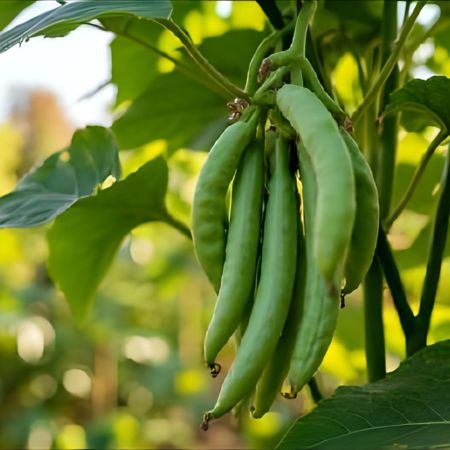
Beans can be useful companions for potatoes because they belong to the legume family. Legumes work with beneficial bacteria in the soil to capture nitrogen from the air and store it in nodules on their roots.
Although this nitrogen isn’t immediately available to neighboring potatoes, bean roots and leftover plant material may contribute to the long-term health of your garden soil as they decompose.
Related: Can You Grow Green Bean Plants Inside?
Bush beans are generally a better choice than pole beans for planting near potatoes. Their compact growth allows you to add diversity to the bed without creating tall vines that could shade or crowd your potato plants.
Bush beans and potatoes also use garden space differently, helping you fit more food into a relatively small area.
Keep in mind that both crops still need adequate water, nutrients, sunlight, and airflow. Avoid planting them so closely that you cannot hill your potatoes or inspect the leaves for pests and disease.
I would place bush beans along the outer edge of the potato bed or in a nearby row. After harvesting the beans, leave healthy roots in the soil so they can break down naturally.
3. Cabbage

Cabbage and potatoes can make practical garden neighbors because they grow and produce their edible portions in different ways. Potatoes develop underground, while cabbage forms its head above the soil.
Cabbage also has a relatively shallow root system compared with potatoes, which may help reduce direct competition when the plants are given enough space.
This pairing can be especially helpful when you’re trying to make efficient use of a smaller garden. You can plant cabbage in a nearby row or along the edge of your potato bed.
Just remember that both vegetables can be hungry feeders. Before planting, enrich the soil with finished compost and follow an appropriate fertilizing schedule so neither crop is left competing for limited nutrients.
Cabbage leaves can become large, so make sure they won’t crowd your potatoes or reduce airflow around the foliage. Good spacing is important because damp, crowded conditions can encourage disease.
You should also watch cabbage for caterpillars, including cabbage loopers and imported cabbageworms. Cabbage won’t repel potato pests, but it can add diversity to the garden while allowing you to grow two productive crops in the same general area.
4. Chamomile

Chamomile is a lovely herb to grow near potatoes because its small, daisy-like flowers attract a variety of beneficial insects. Hoverflies, parasitic wasps, ladybugs, and pollinators may visit the blossoms.
Some of these garden helpers prey on aphids and other pests, creating a more balanced growing environment around your potato plants.
Chamomile also has a light, airy growth habit, so it can add flowers to your vegetable garden without creating extremely dense shade.
Related: Powerful Medicinal Herbs You Should Be Growing in Your Garden
However, the plants can spread or reseed when they’re happy. I recommend placing chamomile near the border of your potato bed, where it will attract helpful insects without interfering with hilling, watering, or harvesting.
For the best results, choose a sunny location with well-draining soil and avoid overcrowding the plants. Chamomile isn’t a guaranteed pest repellent, but it can support the beneficial insect population that provides natural pest control throughout your garden.
You can also harvest the flowers, dry them, and use them to make herbal tea. That makes chamomile a particularly hardworking companion plant that benefits your garden while giving you something useful to enjoy indoors.
5. Cilantro
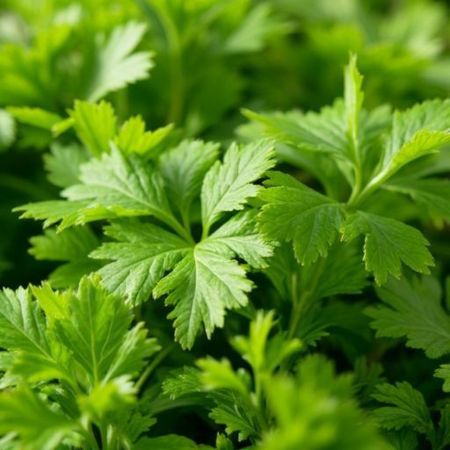
Cilantro is another flowering herb that can support potatoes by attracting beneficial insects. When cilantro is allowed to bolt and produce its delicate clusters of flowers, it supplies nectar to hoverflies, lacewings, parasitic wasps, and other helpful visitors.
You can harvest cilantro leaves early in the season and then allow a few plants to flower as the weather warms. This gives you an edible herb for the kitchen followed by a valuable food source for beneficial insects.
After flowering, the plant produces coriander seeds, which you can collect for cooking or save for next season.
Cilantro has a relatively small footprint, making it easy to tuck near the edge of a potato bed. Avoid placing it where it will interfere with hilling the soil around your potato stems.
Since cilantro often bolts quickly in hot weather, sowing small batches every few weeks can extend both your harvest and its bloom period. While cilantro alone cannot prevent every pest problem, it helps increase plant diversity and makes your garden more welcoming to the insects that contribute to natural pest management.
6. Corn
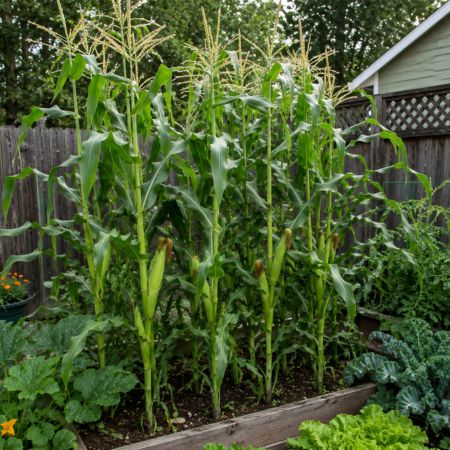
Corn can be a helpful companion for potatoes because the two crops use garden space in different ways. While corn grows tall and upright, potatoes produce their harvest beneath the soil. This makes it possible to grow both crops in the same general area without their edible portions competing for space.
If your garden experiences intense summer heat, corn may also provide a small amount of afternoon shade for potato plants.
Potatoes generally grow best in full sun, so you don’t want the corn to block their light throughout the day. Instead, position the corn where it can offer limited protection during the hottest part of the afternoon.
Corn and potatoes are both heavy feeders, which means they can compete for nutrients and water if they’re planted too close together. Add plenty of finished compost before planting, fertilize as needed, and leave enough room for each crop to grow.
I recommend planting corn in a separate row on the western side of your potato bed. This arrangement lets you take advantage of the corn’s height without making it difficult to hill, inspect, or harvest your potatoes.
7. Horseradish

Horseradish is traditionally recommended as a companion plant for potatoes because its strong scent and pungent roots are believed to help discourage certain pests. Some gardeners plant it near potatoes in hopes of reducing problems with insects, including Colorado potato beetles.
The plant is hardy, low maintenance, and useful in the kitchen. Its large leaves also add diversity to the garden, which can make it more difficult for pests to locate a wide area filled with just one type of crop.
Related: Garden Plants That Can Actually Help Repel Mosquitoes
Horseradish spreads aggressively through underground roots, so you should plant it carefully. A small piece of root left in the ground can produce another plant, making it difficult to remove once established.
I prefer growing horseradish in a large container positioned near the potato bed. This allows you to test its possible companion-planting benefits without letting it take over your garden or interfere with the potato tubers.
Give both plants plenty of room, and continue checking your potatoes regularly for pests and signs of disease.
8. Lettuce

Lettuce is a convenient companion for potatoes because it grows quickly and has shallow roots. While potato tubers develop deeper in the soil, lettuce primarily uses the upper layer. This difference can help you grow more food in a limited area without creating excessive competition, provided the plants have adequate water and nutrients.
You can plant lettuce between widely spaced potato rows or along the outer edge of the bed. Since many lettuce varieties mature quickly, you may be able to harvest them before your potato plants become large and require more space. This makes lettuce especially useful as an early-season crop.
As potato foliage grows, it may provide light shade that helps protect lettuce from intense heat and delays bolting. However, too much shade can result in slow or weak growth, so choose your planting location carefully.
Lettuce needs consistent moisture, while potatoes shouldn’t sit in soggy soil. Water deeply enough to support both crops, but make sure the bed drains well.
When it’s time to hill or harvest your potatoes, work carefully to avoid burying or disturbing any lettuce plants that remain nearby.
9. Marigolds
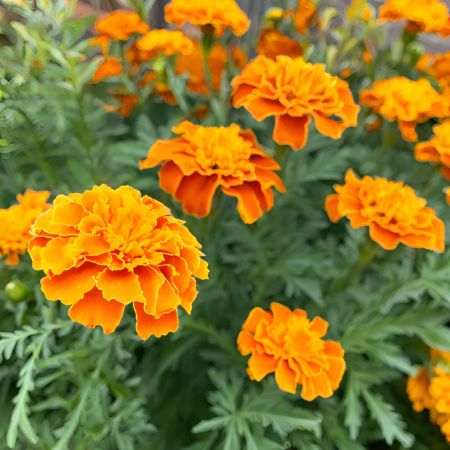
Marigolds are popular potato companion plants because their colorful flowers attract pollinators and beneficial insects. Hoverflies, ladybugs, lacewings, and parasitic wasps may visit the blooms, and some of these insects prey on aphids or other garden pests.
Marigolds increase plant diversity, which can help you avoid creating a large, uninterrupted patch of potatoes that’s easy for pests to find. Plus, certain French marigold varieties can also suppress some root-knot nematodes when grown as a dedicated cover crop.
Although marigolds are often described as natural insect repellents, they won’t create a pest-proof barrier around your potatoes. Their most useful benefit may come from supporting helpful insects and creating a more diverse garden ecosystem.
Plant marigolds around the edges of your potato bed or between rows if you have enough space. Choose compact varieties that won’t interfere with hilling or harvesting.
Deadhead the flowers to encourage continued blooming throughout the season. With their cheerful orange, yellow, and red blossoms, marigolds also make your vegetable garden more attractive while providing practical ecological benefits.
10. Nasturtiums
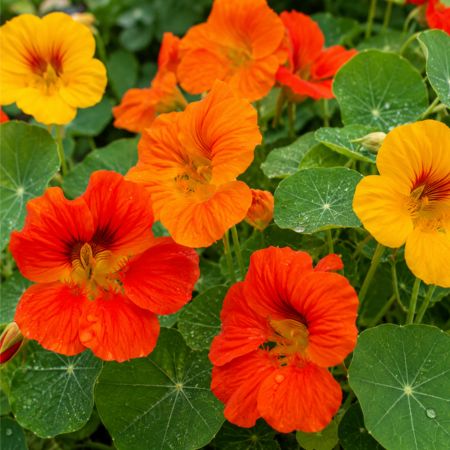
Nasturtiums are easy-to-grow flowers that can make a useful addition to your potato bed. Their bright blooms provide nectar and pollen for bees, hoverflies, and other beneficial insects. Some gardeners also use nasturtiums as a trap crop because aphids may gather on them instead of spreading to nearby vegetables.
A trap crop only works when you monitor it regularly. If you notice a large aphid population on your nasturtiums, prune the affected growth or remove the plant before the pests reproduce and move elsewhere.
Nasturtiums should be one part of your pest-management strategy, not your only form of protection.
Their broad, trailing leaves can cover bare soil, which may help reduce weeds and slow moisture loss. However, vigorous vines can spread into the potato bed and make hilling or harvesting more difficult.
I recommend planting nasturtiums around the perimeter and guiding the stems away from your potato plants. Avoid letting the foliage become overly dense, as good airflow is important for reducing disease problems.
Even better, both the flowers and leaves are edible. They offer a slightly peppery flavor that makes nasturtiums as useful in the kitchen as they are in the garden.
11. Parsley

Parsley can be a helpful companion plant for potatoes because it adds diversity without taking up much space. Its compact growth and relatively shallow roots make it easy to plant near the edge of a potato bed, where it’s less likely to compete directly with developing tubers.
If you allow some parsley plants to flower during their second growing season, their tiny blooms can attract hoverflies, lacewings, ladybugs, and parasitic wasps.
The larvae of certain beneficial insects feed on aphids and other soft-bodied pests that may appear on potato plants. Flowering parsley can therefore help support a more balanced garden ecosystem.
Parsley prefers evenly moist, well-draining soil, which generally works well alongside potatoes. However, avoid planting it so close that it gets buried when you hill soil around the potato stems. I recommend growing parsley along the outside of the bed or at the ends of potato rows.
You can harvest parsley throughout the season for use in soups, sauces, salads, and other dishes. Regular harvesting encourages fresh growth, but consider leaving a few plants untouched if you want them to eventually bloom and provide food for beneficial insects.
12. Peas
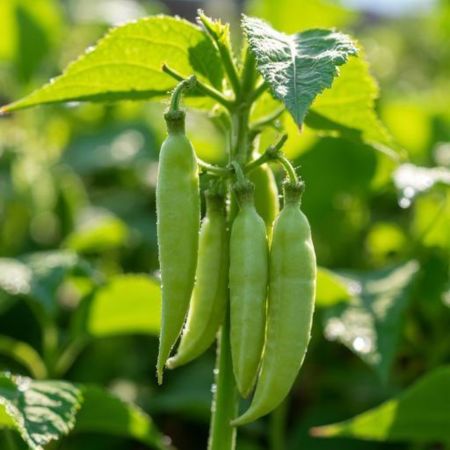
Peas can be useful companions for potatoes, especially when the two crops overlap during the cooler part of the growing season. As members of the legume family, peas work with soil bacteria to capture nitrogen from the air and store it in root nodules.
Most of that nitrogen benefits the peas while they are actively growing. However, their roots and plant residue may enrich the soil as they decompose.
Since peas grow vertically when supported by a trellis, they can help you make efficient use of limited garden space. Position the trellis where the vines won’t shade your potatoes or block airflow.
In the Northern Hemisphere, placing peas on the northern side of the bed usually helps prevent unwanted shade.
Peas and potatoes both prefer cool growing conditions, but they still need enough room, water, and nutrients to thrive. Keep the pea vines far enough away that you can hill and harvest your potatoes without damaging them.
Once the pea plants finish producing, cut them at soil level instead of pulling out the roots. Leaving the healthy roots underground allows them to break down naturally while causing less disturbance around your developing potato tubers.
13. Spinach
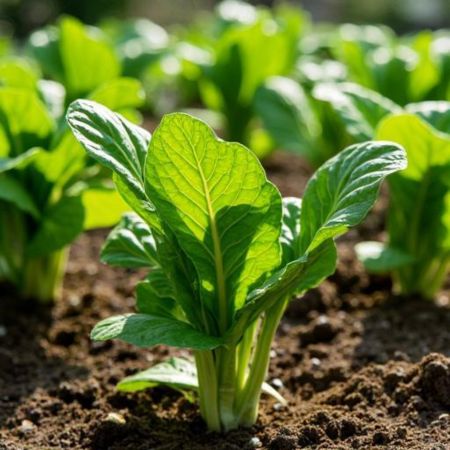
Spinach is a practical potato companion plant because it grows quickly and has a shallow root system. You can plant it between widely spaced potato rows or around the outer edge of the bed, where it can use the upper layer of soil while the potato tubers develop deeper underground.
Spinach is usually ready to harvest before potatoes reach their full size. This makes it a useful early-season crop that fills otherwise open garden space.
As your potato plants grow taller, their foliage may provide light shade that helps keep spinach cool and slows bolting when temperatures begin to rise.
The broad spinach leaves also cover portions of bare soil, which may help retain moisture and limit some weed growth. However, crowded plants can reduce airflow and create damp conditions that encourage disease. Leave adequate spacing and harvest spinach regularly so it doesn’t become too dense around your potatoes.
Both crops appreciate fertile, well-draining soil and consistent moisture. Add finished compost before planting, and avoid overwatering. I recommend placing spinach where you can easily remove it once the potato plants need more room for hilling, airflow, and continued growth.
14. Thyme

Thyme is a compact herb that can fit comfortably near a potato bed without demanding much garden space. Its small flowers provide nectar for bees, hoverflies, parasitic wasps, and other beneficial insects.
The herb’s low, spreading growth can cover small areas of bare soil and may help reduce moisture loss and discourage some weeds.
However, thyme prefers drier conditions than potatoes and doesn’t tolerate constantly wet soil. Plant it along a sunny, well-draining border rather than directly between potato plants that receive frequent watering.
Thyme’s strong fragrance is sometimes said to confuse or repel certain pests, although you shouldn’t rely on the herb alone to protect your potato crop. Continue inspecting the leaves for Colorado potato beetles, aphids, and signs of disease.
I like thyme as a companion because it provides several uses without becoming overly demanding. You can harvest the leaves for cooking while allowing some stems to bloom for beneficial insects.
Plus, as a perennial in many climates, thyme may continue supporting your garden for several growing seasons.
15. Yarrow

Yarrow is a valuable companion for potatoes because its clusters of tiny flowers attract a wide range of beneficial insects. Ladybugs, hoverflies, lacewings, and parasitic wasps may visit the blooms.
Yarrow is also hardy and drought tolerant once established. Its deep roots help it access moisture and nutrients below the surface, allowing it to grow in spots where some other flowers struggle. However, mature plants can become large and may spread through underground stems or self-seeding.
Instead of planting yarrow directly between your potatoes, place it along the border of the garden or several feet from the potato bed. This gives beneficial insects easy access to your vegetables without allowing yarrow to crowd the potatoes, compete for resources, or interfere with harvesting.
Yarrow’s feathery foliage and long-lasting flowers also make it an attractive addition to a pollinator garden. You can find varieties with white, yellow, pink, or red blooms, giving you plenty of options for adding color while supporting helpful garden wildlife.
The Worst Companion Plants for Potatoes

While there are a lot of different crops that make successful companion plantings with potatoes, there are also some that you should avoid planting nearby because they can have negative effects. It’s a good idea to keep these plants separated from your potato plants.
1. Other Nightshades

Tomatoes, peppers, eggplants, and potatoes all belong to the nightshade family. Since these plants are closely related, they can be affected by many of the same pests and diseases, including Colorado potato beetles, flea beetles, early blight, and late blight.
Planting them together creates a concentrated area where a problem can spread quickly from one crop to another. They may also compete for similar nutrients because they’re all relatively heavy feeders.
I recommend separating potatoes from other nightshades whenever possible and rotating these crops to a different part of the garden each year. Avoid planting potatoes where another nightshade grew recently, since certain disease-causing organisms can remain in the soil.
Good spacing and crop rotation won’t eliminate every problem, but they can reduce the risk of a single pest or disease damaging several important crops.
2. Cucurbits

Cucurbits include cucumbers, squash, pumpkins, melons, and zucchini. These plants aren’t ideal neighbors for potatoes because their sprawling vines can quickly cover the potato bed, block sunlight, and restrict airflow.
Dense foliage may create humid conditions that encourage fungal diseases. Cucurbits and potatoes are also hungry crops that require plenty of water and nutrients, so planting them close together can increase competition.
Related: The Best Companion Plants to Grow With Your Cucumbers
Their different watering preferences may present another challenge, particularly as cucurbit plants grow and begin producing fruit. Vigorous vines can also make it difficult to inspect potato foliage, hill soil around the stems, or dig up the tubers without damaging nearby plants.
Give cucurbits a separate area where their vines have room to spread. If garden space is limited, train cucumbers or smaller squash varieties vertically and keep their trellises far enough away that they don’t shade your potatoes.
3. Fennel
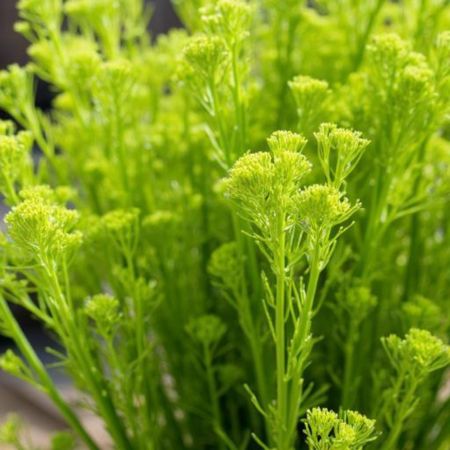
Fennel is often considered a poor companion for potatoes and many other vegetables. The plant may release natural compounds that inhibit the germination or growth of nearby plants, although the strength of this effect can vary depending on growing conditions.
Fennel also develops a substantial root system and can grow several feet tall, potentially competing with potatoes for water, nutrients, and sunlight. Since potatoes need loose soil and enough room for tubers to develop, a large fennel plant can become an inconvenient neighbor.
I recommend giving fennel its own sunny location away from your main vegetable beds. You can also grow it in a large container to keep its roots contained. This lets you enjoy its feathery foliage, flavorful bulbs, and flowers that attract beneficial insects without risking interference with your potato crop or other garden vegetables.
4. Sunflowers
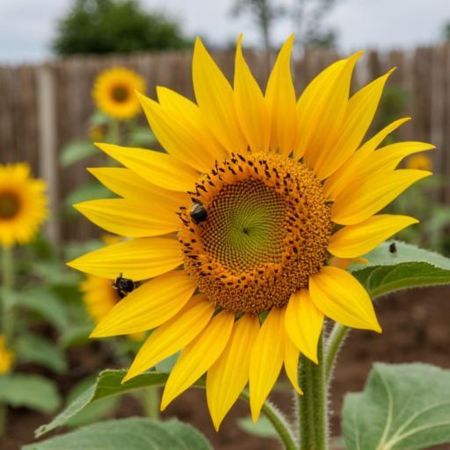
Sunflowers may brighten the garden, but they can cause problems when planted too close to potatoes. Many varieties grow tall and develop broad leaves that can cast significant shade over shorter potato plants.
Potatoes generally need at least six hours of direct sunlight each day to produce a healthy crop. Sunflowers also develop extensive roots and can compete with potatoes for water and nutrients.
In addition, sunflowers produce allelopathic compounds that may suppress the germination or growth of certain nearby plants. Large sunflower stalks and roots could also get in your way when it’s time to hill or harvest potatoes.
You don’t need to remove sunflowers from your garden entirely. Simply plant them in a separate border where they can attract pollinators without shading or crowding your potatoes.
5. Other Root Vegetables
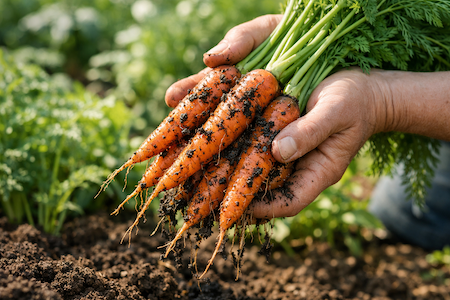
Root vegetables such as carrots, beets, turnips, and parsnips are generally not the most practical companions for potatoes. All of these crops need underground growing space, so crowding them together can increase competition for moisture, nutrients, and loose soil.
Their harvest schedules can also create problems. Pulling carrots or beets may disturb nearby potato roots, while digging up potatoes can damage root vegetables that are still developing.
Potatoes also require regular hilling, which can bury small seedlings or make neighboring root crops harder to reach. This doesn’t mean two root vegetables can never share a garden, but keeping them in separate rows or beds usually makes maintenance and harvesting easier.
If you want to use the open space around young potato plants, shallow-rooted, fast-growing leafy greens are often a better choice. Radishes may be an exception because they mature quickly, provided you harvest them before the potato plants become large.
Grow a Healthier Potato Harvest With the Right Companions
Choosing the right potato companion plants can help you make better use of your garden space, welcome beneficial insects, conserve soil moisture, and create a more diverse growing environment.
At the same time, knowing what not to plant near potatoes is just as important. Separating potatoes from other nightshades, heavy-feeding cucurbits, fennel, sunflowers, and most root vegetables can help reduce crowding, competition, and shared pest or disease problems.
Companion planting isn’t a guaranteed solution for every garden challenge, but it is a helpful tool to include in your gardening routine. Start with a few of these plant pairings, observe how they perform in your unique growing conditions, and adjust your garden plan each season.
With thoughtful spacing and the right neighbors, you can give your potato plants the support they need to produce a healthy and delicious harvest.


