Common Hidden Sources of BPA Around Your Home
You probably already know to avoid plastic water bottles and food containers, but what if I told you there are hidden sources of BPA quietly hanging out in places you would never think to look?
The truth is, even the most eco-conscious homes can still have sneaky BPA exposure tucked into everyday items. Once you know where these hidden sources of BPA are, you can’t unsee them.
I remember when I first started swapping out plastic in my kitchen, I felt pretty confident I had done enough. Glass containers, stainless steel water bottles, beeswax wraps? Check, check, and check.
Then I learned BPA was hiding in things I handled all the time and never questioned. That was my wake-up call, and it might be yours too.
The good news is that you don’t need to panic or throw everything away overnight. A little awareness goes a long way.
In this post, I’m going to walk you through some of the most surprising places BPA can show up in daily life and offer simple, realistic swaps you can make to lower your exposure without stress.
1. Thermal Paper Receipts


One of the most surprising hidden sources of BPA for me was something I used to crumple up and toss without a second thought: store receipts. Those smooth, shiny thermal paper receipts you get at grocery stores, gas stations, and restaurants are often coated with BPA.
It’s not inside the paper like plastic. Instead, it’s actually on the surface as a chemical developer that helps the receipt print without ink.
Every time you grab a receipt, fold it, or stuff it into your wallet, BPA can transfer onto your skin. From there, it can make its way into your body, especially if you eat right after handling receipts without washing your hands.
I used to keep receipts in my purse and even give them to my son to hold while I loaded groceries. Now I know that wasn’t the best idea.
What makes this extra sneaky is that we think of paper as safe and natural. But thermal paper is very different from regular paper. Plus, cashiers who handle receipts all day can have especially high exposure levels.
A simple habit change can make a big difference. I try to decline receipts whenever I can, especially at places that offer email or text options.
When I do need one, I put it straight into a designated pocket in my bag and wash my hands later. I also avoid letting my son play with them. It’s a small shift that feels very doable once you know the risk.
2. Canned Foods


If you’e working toward a more natural kitchen like I am, this one can feel frustrating. Many canned foods, even organic ones, are lined with epoxy resins that contain BPA.
That lining is there to prevent the metal from corroding and to keep food from touching the can directly. The problem is that BPA can leach from the lining into the food, especially acidic foods like tomatoes.
I used to rely on canned beans, soups, and vegetables for quick meals. They felt like a healthy, affordable staple.
Then I learned they could be one of the more consistent hidden sources of BPA in my diet. Heat and long storage times can increase how much BPA migrates into the food.
The tricky part is that labels don’t always make it clear whether or not BPA is being used. Some brands now advertise BPA-free cans, which is a step in the right direction, but those linings may use similar chemicals that we still don’t fully understand. Unfortunately, it’s not always black and white.
What I focus on now is balance and better swaps where possible. I choose glass jars for things like tomato sauce and applesauce. I also tried to use dried beans whenever possible.
For items I still buy canned, I look for brands that clearly state they use BPA-free linings and I rotate those foods instead of eating them daily. Progress, not perfection, really helps keep this from feeling overwhelming.
3. Kids’ Items


We tend to be extra careful with products for our kids, which is why this one can feel especially frustrating. Even though BPA has been banned from baby bottles and sippy cups in many places, it can still show up in unexpected children’s items.
Hard plastic toys, old teethers, and certain feeding accessories may still contain BPA, especially if they’re older or secondhand.
I used to accept hand-me-down toys without a second thought. It felt sustainable and budget-friendly.
Related: Why It’s Crucial to Choose Non-Plastic Toys for Kids
While I still love reusing when I can, I now pay closer attention to the type of plastic and the age of the item. Older plastics are more likely to contain BPA. Additionally, wear and tear can make chemicals leach more easily.
Another sneaky area is kids’ dishware and snack containers. Brightly colored plastic plates and bowls marketed for children may be labeled BPA-free, but that doesn’t automatically make them the best choice.
In our house, I have gradually swapped to stainless steel and silicone for snack containers, plates, cups, and more. For toys, I lean toward wood, fabric, and silicone instead of hard plastic whenever possible.
I don’t aim for perfection, but I do try to be mindful about what could go in mouths and what gets handled every day. Little changes here can go a long way over the years.
4. Takeout Containers and Fast Food Packaging


Takeout night feels like a treat, especially on busy weeks. But many takeout containers and fast food packaging materials can be hidden sources of BPA. Some plastic clamshells, clear lids, and coated paper containers use BPA or similar chemicals in their linings.
Hot food makes this more concerning. Heat can encourage chemicals to migrate from the packaging into your meal.
Think about that hot soup in a plastic tub or greasy takeout in a coated paper box. The combination of heat and fat can increase chemical transfer.
I’m not about to tell you to give up takeout forever. That’s just not realistic for most of us.
What I do instead is try to reduce how often I rely on it and make a few simple tweaks. When I bring food home, I transfer it to glass or ceramic dishes right away instead of eating straight from the container. If I know we’ll have leftovers, I never store them in the original packaging.
For coffee or tea on the go, I bring my own stainless steel travel mug when I can. It’s not perfect every time, but those small habits add up and lower overall exposure without making life feel restrictive.
5. Store Stickers, Labels, and Tags


This is one of those hidden sources of BPA that feels almost invisible. The sticky labels on produce, price tags on clothing, and some product stickers can be made with thermal paper or coated materials similar to receipts. That means they can also contain BPA on the surface.
I never used to think twice about peeling a sticker off an apple with my fingernail or handling a bunch of price tags while shopping. However, repeated contact adds up, especially if you eat right after or touch your face.
It’s not something to obsess over, but awareness helps. Now, when I get home from the store, I wash produce thoroughly and try to remove stickers with a utensil instead of my fingers when possible. I also make a habit of washing my hands after a big shopping trip, especially before preparing food.
With clothing, I remove tags and labels and then wash my hands before moving on to other tasks. These steps take just a minute, but they help reduce how much BPA ends up on my skin and eventually in my body. It’s all about lowering exposure in ways that fit naturally into daily routines.
6. Hard Plastics


Hard, clear, or rigid plastics around the house can sometimes be hidden sources of BPA, especially if they’re older. Think storage bins, reusable water jugs, pitchers, and even some older kitchen tools. Over time, plastic can break down, and scratches or cloudiness can make it easier for chemicals to leach.
I used to store leftovers in old plastic containers that had seen better days. They were scratched, stained, and definitely past their prime. Now I know those worn surfaces can increase chemical migration, especially with warm or fatty foods.
You don’t have to replace everything overnight. I went item by item. When a plastic container became too worn or cracked, I replaced it with glass. I also stopped putting plastic in the dishwasher or microwave, since heat can speed up breakdown.
For pantry storage, I love using glass jars. They look beautiful, last forever, and don’t carry the same chemical concerns. Gradual swaps like this feel sustainable for both the planet and my budget.
7. Coffee Pods


Single-serve coffee makers are incredibly convenient, but they can also be hidden sources of BPA exposure. Many coffee pods are made with plastic layers, and hot water is forced through them at high pressure. That heat can cause chemicals to leach into your drink.
Many people rely heavily on pod-based coffee when mornings feel rushed, but learning about the potential chemical exposure might make you rethink that habit. It doesn’t mean you can never use them, but daily use may increase your overall load.
Related: Are Your Tea Bags Made With Plastic?
Additionally, some machines also have internal plastic components that come into contact with hot water repeatedly. Over time, wear and heat can increase leaching.
If you’re looking for a better option, consider using a stainless steel French press or a pour-over setup. They’re simple, low-waste, and plastic-free in the parts that touch hot water.
If you do use pods, choose brands that are transparent about materials and try to limit how often you rely on them.
8. Personal Care Packaging


We often focus on BPA in food and drink, but personal care products can also be hidden sources of BPA exposure. Some lotions, shampoos, and cosmetics come in hard plastic containers that may contain BPA or similar chemicals.
While BPA is more commonly discussed with food contact, it can still migrate from packaging, especially in warm, humid environments like bathrooms. Think about how many products you use daily that come in plastic bottles or jars.
Related: The Most Toxic Items in Your Bathroom and What to Use Instead
I started paying more attention to packaging when I began switching to more natural personal care products. Glass bottles, aluminum tubes, and refillable containers are now my favorites. Not only do they reduce potential chemical exposure, but they also cut down on plastic waste.
You don’t have to toss everything at once. I simply replace items with better-packaged options as they run out. That keeps things affordable and low-stress while steadily reducing the amount of questionable plastic in my daily routine.
9. Refrigerator and Kitchen Appliance Components

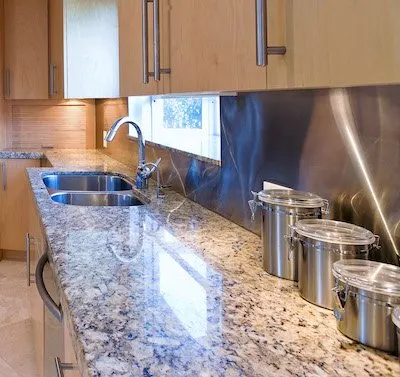
Many of us focus on food storage containers but forget about the appliances themselves. Some refrigerator drawers, water reservoirs, and blender or food processor parts are made from hard plastics that may contain BPA, especially in older models.
Water filters and dispenser tanks can be a concern if they’re made with certain plastics and hold water for long periods. Even though the water is cold, long contact times can still matter.
I’m not suggesting you replace major appliances just for this. That’s not realistic or eco-friendly. What I do instead is avoid storing food directly against plastic surfaces when possible and use glass containers inside the fridge.
For small appliances, I look for models with stainless steel or glass components that touch food and liquids. When parts get worn or cracked, I replace them instead of continuing to use damaged plastic. These small choices help reduce exposure while still making the most of what we already own.
10. Pet Food Cans and Plastic Pet Bowls


While we often think of human exposure when it comes to BPA, we have to remember that our pets can be exposed as well. Unfortunately, BPA can cause some of the same issues in pets as it does in humans.
Many canned pet foods use the same type of BPA-containing linings as human canned foods. That means your furry friend may be getting regular exposure with every meal.
Related: Must-Have Eco-Friendly Dog Products to Keep Your Pet Safe and Healthy
Plastic pet bowls can also contribute, especially if they’re old, scratched, or used for wet food. Heat, wear, and fat can all increase chemical migration.
I switched to stainless steel bowls for our pets, which are durable and easy to clean. For canned food, I look for brands that use BPA-free linings and rotate in dry or fresh options when it makes sense. It’s a simple way to care for their health alongside our own.
Bonus Item: “BPA-Free” Plastics
When BPA first became a household word, companies rushed to label products as BPA-free. I remember feeling relieved when I saw those stickers on water bottles and food containers.
It felt like the problem was solved. However, over time, I learned that BPA-free does not always mean risk-free.
Many BPA-free plastics use alternative chemicals like BPS or BPF. These are similar compounds that can behave a lot like BPA in the body.
Early research suggests they may also disrupt hormones, which is exactly what we’re trying to avoid in the first place. It can feel like we’re playing a game of chemical whack-a-mole.
Related: What Are PFAS and Why It’s Crucial That You Avoid Them?
This is one of those hidden sources of BPA exposure that hides behind a reassuring label. We assume BPA-free equals safe, but the full picture is more complicated.
That doesn’t mean you have to panic and throw everything away. It just means being more thoughtful about how much plastic we rely on overall.
In my home, I have slowly shifted toward materials that have stood the test of time. Glass food storage, stainless steel water bottles, and ceramic dishes are my go-to choices now. Those small habits reduce exposure and feel manageable long term.
Simple, Low-Stress Swaps to Reduce BPA Exposure
After learning about all these hidden sources of BPA, it can feel overwhelming at first. I’ve definitely had that moment of looking around my home and thinking, wow, it is everywhere.
However, the goal is not perfection. It’s progress.
I focus on the biggest, most frequent exposures first. Swapping plastic food storage for glass, reducing canned foods, and being mindful with receipts made a noticeable difference without turning my life upside down. From there, I just kept making small upgrades as items wore out or needed replacing.
Bringing your own mug, washing hands after handling receipts, and choosing stainless steel or glass when possible are all simple habits that add up over time. You don’t have to do it all at once. Every little step lowers your overall load and supports a healthier home.
The more we learn, the more empowered we become. That’s what sustainable living is really about, making informed choices that support our families and the planet in ways that feel realistic and doable.
