How to Find Free Homesteading Supplies
The Best Places to Find Free Homesteading Supplies
Have you ever looked around your property and thought, “I’d love to start homesteading, but I can’t afford all the supplies?” If you’re wondering how to find free homesteading supplies, you’re not alone.
One of the biggest misconceptions about homesteading is that you need a huge budget to get started, when in reality, many experienced homesteaders have built thriving gardens, chicken coops, compost systems, and food preservation setups using items they acquired for little to no cost.
The truth is that useful homesteading supplies are everywhere once you know where to look. From free lumber and gardening materials to secondhand tools, containers, seeds, and livestock equipment, there are countless opportunities to find resources that other people no longer need. With a little creativity and a willingness to ask around, you can save hundreds or even thousands of dollars while reducing waste and giving perfectly usable items a second life.
In this guide, I’ll share my favorite tips for how to find free homesteading supplies, including places to search, communities to join, and strategies that can help you gather what you need without draining your budget. Whether you’re just starting your homesteading journey or looking to expand your existing setup, these ideas can help you stretch your dollars further and make your dream more affordable.
1. Facebook Buy Nothing Groups
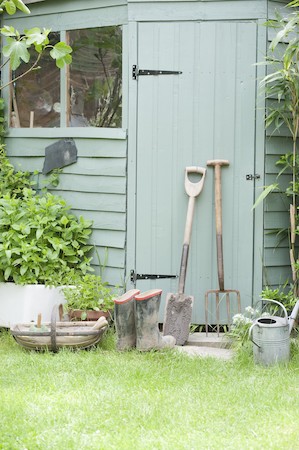
If you’re looking for one of the easiest ways to find free homesteading supplies, I highly recommend joining your local Buy Nothing group on Facebook. These community-based groups are designed to help neighbors give away items they no longer need instead of sending them to the landfill. It’s a fantastic example of how sustainability and community can work hand in hand.
I’ve found that many people don’t realize how useful their unwanted items can be to someone else. One person’s clutter can become another person’s garden bed, chicken coop, or compost system. Depending on your area, you may find gardening tools, plant pots, buckets, canning jars, fencing materials, lumber, wheelbarrows, and even fruit trees being offered for free.
The key to success is checking the group regularly. Popular items often get claimed quickly, especially during gardening season. It also helps to introduce yourself and let people know you’re interested in homesteading. Many members enjoy helping others and may think of you when they have useful items to give away in the future.
Don’t be afraid to make “wish posts” either. If you’re searching for something specific, such as raised bed materials or chicken supplies, simply ask. You might be surprised by how many people have exactly what you need tucked away in a garage or shed.
Not only can Buy Nothing groups help you save money, but they also keep perfectly usable materials out of the waste stream, making them a win for both your budget and the environment.
2. Facebook Marketplace Free Section

In addition to Facebook Buy Nothing groups, Facebook Marketplace is another good place to look for free homesteading supplies. Most people think of Facebook Marketplace as a place to buy and sell used items, but many overlook the free section entirely.
People frequently post items for free because they want them gone as soon as possible. Rather than dealing with the hassle of listing something for sale, answering questions, and arranging payment, many homeowners simply offer it to the first person willing to pick it up.
When browsing Marketplace, search for terms like “free,” “curb alert,” “garden supplies,” “lumber,” “pallets,” “soil,” and “fencing.” You can also search for specific items you need, such as raised bed materials, compost bins, or livestock equipment. Setting up alerts for certain keywords can help you spot opportunities before others do.
I’ve noticed that timing matters. Free items often disappear within hours, especially during spring and summer when gardening and homesteading are top of mind. If you find something useful, respond quickly and arrange pickup as soon as possible.
It’s also important to think creatively. A pile of free bricks could become a garden border. Old shelving might work as greenhouse storage. Free buckets can be used for harvesting, composting, or food storage.
By checking Marketplace regularly and keeping an open mind about how items can be repurposed, you can gather an impressive collection of homesteading supplies without spending a dime.
3. Craigslist Free Section
Although it may not get as much attention as it once did, Craigslist remains a valuable resource for homesteaders looking for free supplies. In fact, some of the best free finds never make it to social media because they are listed directly on Craigslist instead.
The site’s free section is dedicated entirely to items people want removed from their property. Since the goal is usually to get rid of something quickly, you’ll often find useful materials that would otherwise cost a significant amount of money.
Common homesteading finds include lumber, fencing panels, bricks, concrete blocks, firewood, gardening supplies, sheds, compost materials, and even rain barrels. Sometimes people offer entire piles of leaves, wood chips, or manure that can be incredibly valuable for improving garden soil.
One thing I’ve learned is that consistency pays off. Checking the listings once a month probably won’t yield many results. Checking several times a week can uncover opportunities before other people claim them.
Always prioritize safety when arranging pickups. Meet during daylight hours whenever possible and bring a friend if you’re collecting large items from an unfamiliar location.
Craigslist also encourages resourcefulness, which is an important homesteading skill. You may not always find exactly what you’re looking for, but you might discover materials that can be adapted for another purpose. With a little creativity, a free item can often solve a problem you didn’t even know you had.
4. Your Local Library
When people think about free homesteading supplies, the local library isn’t usually the first place that comes to mind. However, libraries can be an incredible resource for both physical supplies and valuable knowledge that can help you save money as you build your homestead.
Many libraries now offer seed libraries where patrons can “check out” seeds for free. Depending on your area, you may find vegetable, herb, flower, and native plant seeds available throughout the growing season. Some seed libraries even encourage gardeners to save seeds from their harvest and donate some back, creating a sustainable cycle that benefits the entire community.
Related: Organize Your Growing Season With These Valuable Seasonal Seed Inventory Sheets
Beyond seeds, libraries provide access to one of the most valuable homesteading resources of all: information. Before investing money in a new project, you can borrow books on gardening, food preservation, raising chickens, composting, beekeeping, herbal medicine, woodworking, and countless other homesteading topics. Learning from these resources can help you avoid costly mistakes and build new skills without spending money on courses or books.
Many libraries also host free workshops, gardening classes, and community events. These programs can connect you with experienced gardeners and homesteaders who may be willing to share advice, seeds, cuttings, or other resources.
If you haven’t visited your local library lately, it may be worth stopping by. You might walk away with free seeds, practical homesteading knowledge, and new connections that help support your self-sufficiency goals.
5. Local Gardening Clubs

Joining a local gardening club can be one of the most rewarding ways to find free homesteading supplies while also building relationships with people who share similar interests.
Experienced gardeners often have more plants, seeds, and supplies than they know what to do with. Perennials need dividing, seedlings multiply quickly, and seed packets frequently contain far more seeds than one person can use. Rather than letting these resources go to waste, many gardeners are happy to share them with others.
You might receive free vegetable starts, herb plants, flower seeds, fruit tree cuttings, mulch recommendations, or even gardening tools. Some clubs organize annual plant swaps where members bring extras to exchange or give away. These events can be a treasure trove for new homesteaders who are trying to establish gardens without spending a fortune.
Related: Grow More Food Than You Can Use With This Garden Planner
Beyond the free supplies, gardening clubs offer something equally valuable: knowledge. Members often have years of experience growing food in your local climate. Their advice can help you avoid costly mistakes and improve your chances of success.
If you can’t find a formal gardening club nearby, look for garden-focused Facebook groups, library gardening programs, or community education classes. Many of these groups foster the same spirit of sharing and collaboration.
One of my favorite things about gardening communities is their generosity. When people learn that you’re trying to grow your own food, they’re often eager to help. A simple conversation can lead to seeds, plants, and friendships that continue growing year after year.
6. Community Garden Bulletin Boards
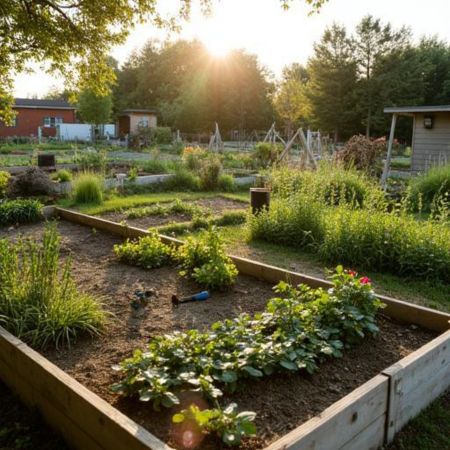
Community gardens are often hidden gems when it comes to finding free homesteading supplies. Even if you don’t rent a plot, many community gardens welcome visitors and maintain bulletin boards, swap areas, or online groups where members share resources.
Gardeners are known for having extras. Seed packets contain hundreds of seeds, plants get divided, and successful gardeners frequently end up with more seedlings than they can reasonably use. Rather than throwing these items away, many choose to give them to fellow gardeners.
Some community gardens have designated tables where members leave extra seeds, pots, tools, books, or produce for others to take. Others organize seasonal seed swaps and plant exchanges that allow you to collect a variety of useful supplies at little or no cost.
The bulletin boards themselves can be valuable sources of information. You may find notices about free compost deliveries, gardening workshops, tool-sharing programs, or local residents looking to give away supplies. These connections can lead to opportunities you might never find through an online search.
I also recommend taking the time to chat with gardeners while you’re there. Many are passionate about growing food and enjoy sharing tips, resources, and recommendations. Building these relationships can open doors to future opportunities, from free supplies to valuable mentorship.
Community gardens are wonderful examples of sustainability in action. They bring people together, encourage local food production, and create a culture of sharing that benefits everyone involved.
7. Tree Service Companies

When most people see a pile of wood chips, they see a mess that needs to be cleaned up. Homesteaders, on the other hand, often see a valuable resource. That’s why tree service companies can be one of the best sources of free homesteading supplies.
Tree trimming and removal companies regularly generate massive amounts of wood chips and shredded branches. Disposing of these materials can be costly and time-consuming, so many companies are happy to deliver them for free if you have a place for them to unload.
Wood chips are incredibly useful around a homestead. They can be used to mulch garden pathways, suppress weeds, retain moisture, improve soil over time, and create attractive walking paths. If you’re interested in permaculture or food forest gardening, wood chips can become an important part of your long-term soil-building strategy.
Related: Genius Ways You Can Recycle a Christmas Tree After the Holidays
It’s important to remember that deliveries are often large. A single load can be much bigger than most people expect, so make sure you have enough space before agreeing to accept one.
While you’re contacting tree companies, don’t forget to ask about larger logs or branches. These can sometimes be used for firewood, hugelkultur beds, wildlife habitat projects, or rustic garden borders.
A quick phone call or email can sometimes provide enough mulch to cover an entire garden, saving you hundreds of dollars while keeping useful organic material out of landfills.
8. Local Farms and Stables

Many homesteaders focus on gardening supplies, but local farms and horse stables can provide a surprising variety of free resources that can support your projects.
One of the most sought-after items is manure. Farmers and stable owners often accumulate large amounts that they need to remove. Once properly composted, manure can become a valuable soil amendment that helps improve soil structure and fertility. For gardeners trying to build healthy, productive soil, this can be a fantastic free resource.
You may also find used feed bags, wooden pallets, livestock fencing, buckets, troughs, and other equipment that owners no longer need. Some farms periodically clean out storage areas and are happy to pass along items that are still useful but no longer fit their operation.
Related: The Easiest Livestock You Can Keep on an Urban Homestead
The key is to approach people respectfully. A friendly phone call, email, or in-person conversation can go a long way. Explain that you’re interested in homesteading and ask whether they ever have surplus materials available.
Even if they don’t have anything at the moment, you’ve started building a relationship. The next time they clean out a barn or replace equipment, they may remember your interest.
Many farmers appreciate seeing useful items get a second life rather than ending up in a dumpster. These connections can become valuable sources of supplies and knowledge as your homesteading journey continues.
9. Construction Sites and Contractors
Construction projects generate an incredible amount of leftover material, much of which can be repurposed around a homestead. While you should never take anything without permission, contractors sometimes have usable scraps they’re willing to give away.
Lumber offcuts, bricks, pavers, fencing materials, stone, concrete blocks, and other building materials can often be transformed into garden structures, compost bins, raised beds, trellises, or pathways. What may be considered waste on a construction site could become a useful resource on your property.
If you notice a construction project in your area, consider politely asking the site supervisor whether they have any leftover materials available. Some contractors already separate reusable scraps and are happy to see them put to good use.
It’s also worth contacting smaller contractors directly. Remodeling projects often leave homeowners with extra materials that need to be removed. Rather than paying disposal fees, some contractors are glad to have someone take them away.
As with any reclaimed materials, inspect everything carefully before using it. Avoid treated lumber for garden beds where it may come into contact with food crops, and make sure any materials you bring home are safe and structurally sound.
Finding free building materials requires patience, but the savings can be substantial. A few reclaimed supplies can easily become the foundation for your next homestead project.
10. Friends, Family, and Neighbors
Sometimes the best source of free homesteading supplies is the people you already know.
Many people have useful items sitting unused in garages, basements, sheds, and storage units. The challenge is that they often don’t realize someone else could put those items to good use. Once you start talking about your homesteading goals, opportunities often begin appearing in unexpected places.
You might be offered gardening tools, plant pots, canning jars, seeds, buckets, fencing materials, lumber, or even fruit tree saplings. Someone cleaning out a garage may discover exactly the item you’ve been searching for.
One thing I’ve learned is that people generally enjoy helping others pursue meaningful goals. When friends and family hear that you’re growing food, composting, raising chickens, or creating a more self-sufficient lifestyle, many are excited to contribute in some small way.
Don’t be shy about mentioning your projects during conversations. You don’t need to ask for free items directly. Simply sharing what you’re working on often encourages people to offer resources they no longer need.
This approach has another benefit beyond saving money. It strengthens community connections and creates opportunities to exchange knowledge, skills, and experiences. Those relationships can become just as valuable as any physical supplies you receive.
11. Municipal Compost and Yard Waste Programs

Many cities and counties offer free or low-cost materials through their composting and yard waste programs, but surprisingly few people take advantage of them.
Municipal composting programs often collect leaves, grass clippings, branches, and other yard waste that would otherwise be discarded. These materials are processed and turned into compost, mulch, or wood chips that residents can use in their gardens.
For homesteaders, these programs can provide a steady source of organic matter for improving soil health. Compost can help increase fertility, while mulch helps conserve moisture, suppress weeds, and protect soil from erosion. Purchasing these materials can become expensive over time, which makes free municipal resources especially valuable.
Availability varies depending on where you live. Some communities allow residents to pick up compost or mulch directly, while others host special giveaway events throughout the year. A quick visit to your city or county website can often reveal what’s available in your area.
In addition to compost and mulch, some municipalities offer free leaf collection piles, brush materials, or seasonal gardening resources that can support your homesteading efforts.
Not only do these programs save money, but they also help create a more circular system where organic waste is transformed into a valuable resource. It’s a simple example of sustainability in action and a great way to support your garden without stretching your budget.
Bonus Tip: Don’t Be Afraid to Ask

If there’s one lesson I’ve learned from experienced homesteaders, it’s that opportunities often come from simply asking.
Many people have extra supplies they would gladly give away if they knew someone could use them. The challenge is that they don’t know you’re looking. By sharing your homesteading goals with friends, neighbors, coworkers, community groups, and local businesses, you dramatically increase your chances of finding free resources.
You don’t need to make a formal request or feel uncomfortable about it. Simply mentioning that you’re building raised beds, starting a garden, composting, or learning how to homestead can spark conversations that lead to unexpected opportunities.
The more connected you become to your local community, the more likely you are to hear about free supplies before they’re advertised publicly. Someone may know about a neighbor removing a fence, a gardener dividing plants, or a farm clearing out old equipment.
This approach also helps build one of the most valuable homesteading resources of all: relationships. Homesteading has always relied on communities sharing knowledge, skills, and resources. By becoming part of that network, you’ll often find that free supplies are only the beginning.
A willingness to ask questions, build connections, and think creatively can help you find many of the supplies you need while spending far less than you might expect. In many cases, the best homesteading resources aren’t hidden at all. They’re simply waiting for someone to ask.
Start Building Your Homestead Without Breaking the Budget
One of the best things about homesteading is that it doesn’t have to be expensive. While it’s easy to assume you need a large budget to build garden beds, start composting, preserve food, or raise animals, the truth is that many successful homesteaders began with little more than determination and a willingness to look for creative solutions.
By exploring the resources in your community, you can find many of the supplies you need without spending much money at all. Along the way, you’ll also reduce waste, keep useful materials out of landfills, and become part of a community of people who value resourcefulness and sustainability.
Remember that finding free homesteading supplies often takes patience. You may not find everything you need overnight, but small opportunities can add up surprisingly quickly. A few free buckets here, some reclaimed lumber there, and a load of free mulch can save you hundreds of dollars over time.
Most importantly, don’t be afraid to ask questions, make connections, and think creatively. Some of the best homesteading resources aren’t found in stores. They’re found through community, generosity, and a willingness to see potential where others see leftovers. With a little persistence, you can build a thriving homestead while keeping more money in your pocket.