
Ways to Reuse Coffee Grounds Around Your Entire Home
35 Genius Ways to Reuse Coffee Grounds
Did you know that the coffee grounds you toss in the trash every morning could actually help your garden thrive, freshen your home, and even simplify your cleaning routine? There are countless ways to reuse coffee grounds, and many of them can save you money while reducing household waste at the same time.
If you’re like a lot of people, your day probably starts with a fresh cup of coffee. Yet after brewing that perfect cup, it’s easy to assume the leftover grounds have served their purpose. The truth is, those used coffee grounds are packed with surprising benefits that extend far beyond your coffee maker.
From enriching compost and deterring garden pests to eliminating odors and creating natural beauty treatments, there are plenty of creative and practical ways to reuse coffee grounds around your home. In this guide, I’ll share some of my favorite ideas that will help you get more value from something you might normally throw away.
Plus, don’t worry tea drinkers! We also have tips for you with these awesome ways to reuse tea bags when you’re done using them!
So, before you toss your next batch of coffee grounds in the garbage, you may want to see just how useful they can be.
1. Add Them to Your Compost Pile

One of my favorite ways to reuse coffee grounds is by adding them to the compost pile. Used coffee grounds are considered a “green” compost material because they contain nitrogen, which is an essential nutrient that helps compost break down efficiently. When mixed with “brown” materials such as dried leaves, cardboard, or straw, coffee grounds can help create a balanced compost pile that produces rich, nutrient-dense compost for your garden.
A common myth is that coffee grounds make compost too acidic. However, most of the acidity is removed during the brewing process.
Used grounds are generally close to neutral and safe to add in moderate amounts. Over time, that small addition can help create a valuable soil amendment that your plants will love.
2. Mix Them Into Garden Soil to Improve Organic Matter
Coffee grounds can be a great addition to garden soil when used properly. As they break down, they contribute organic matter that helps improve soil structure and supports healthy microbial activity. Healthy soil is filled with beneficial organisms that help release nutrients and create a better growing environment for your plants.
I like to work a small amount of used coffee grounds into the top few inches of soil around vegetable gardens, flower beds, and raised beds. Rather than applying thick layers, it’s best to mix them into the soil so they can decompose more evenly.
Over time, this can help improve moisture retention and soil texture, especially in poor or depleted soils. It’s a simple way to recycle a household waste product while giving your garden a little extra boost.
3. Use Them as Mulch Around Certain Plants

Coffee grounds can also serve as a mulch when used carefully. A light layer around plants can help suppress weeds, retain moisture, and gradually add organic matter to the soil as the grounds decompose.
However, moderation is important here. Thick layers of coffee grounds can become compacted and create a barrier that prevents water from reaching plant roots.
I prefer mixing coffee grounds with other mulch materials such as shredded leaves, pine needles, or wood chips. This creates a more balanced mulch that allows air and water to move through easily.
Many gardeners use coffee grounds around acid-loving plants like blueberries, hydrangeas, and azaleas, although the grounds themselves are not highly acidic after brewing. When used as part of a diverse mulch mix, coffee grounds can be a practical way to reduce waste while supporting a healthy garden.
4. Feed Worm Bins with Small Amounts of Coffee Grounds
If you have a worm composting bin, your worms may appreciate an occasional helping of coffee grounds. Vermicomposting worms can consume coffee grounds along with fruit scraps, vegetable peels, and other compostable materials. The tiny particles are easy for worms to process, and the grounds can help create a healthy environment inside the bin.
Related: How to Start a Composting Bin When You Live in an Apartment
That said, coffee grounds should only make up a small portion of the worms’ overall diet. Too many grounds can affect the balance of the bin and potentially create moisture or airflow issues.
I like to sprinkle a thin layer of used grounds into the bin and then cover them with shredded paper or cardboard. The worms gradually break everything down into nutrient-rich worm castings, which can then be used to fertilize gardens and houseplants. It’s a fantastic closed-loop system that turns kitchen waste into valuable garden gold.
5. Create a Natural Fertilizer for Your Garden
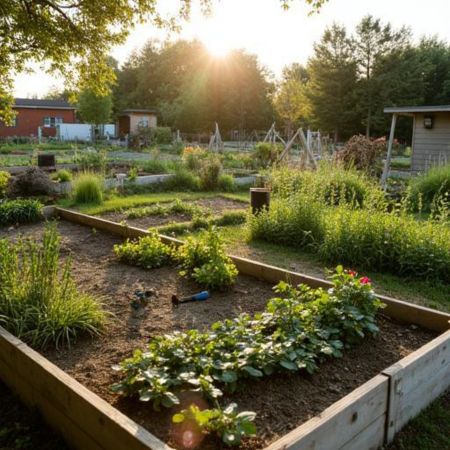
Used coffee grounds contain small amounts of nutrients that plants can benefit from, including nitrogen, potassium, phosphorus, and several trace minerals. While coffee grounds aren’t a complete fertilizer on their own, they can be part of a natural soil-feeding strategy that supports healthy plant growth.
One easy method is to sprinkle a small amount of used grounds around established plants and gently work them into the soil. Another option is to add them to compost and allow the nutrients to become part of a finished compost blend.
I find this approach works especially well because it distributes the nutrients more evenly and reduces the risk of applying too much in one area. Instead of purchasing additional products, you can put a common kitchen waste item to good use and provide your garden with a steady source of organic matter and nutrients.
6. Sprinkle Them Around Plants to Help Deter Some Pests
If you’ve ever walked out to your garden only to find that slugs, snails, or other unwanted visitors have been nibbling on your plants, coffee grounds may be worth trying.
While they aren’t a guaranteed pest solution, many gardeners use used coffee grounds as part of their natural pest management strategy. The rough texture of the grounds can make it less appealing for some soft-bodied pests to crawl across them.
I like to sprinkle a thin ring of coffee grounds around vulnerable plants and seedlings. Just remember that coffee grounds work best as one tool in a larger pest-control plan rather than a miracle cure.
Reapply them after heavy rain, and avoid creating thick piles that can become compacted. Even if the pest-repelling effects are limited, the grounds will eventually break down and contribute organic matter to your soil.
7. Use Them to Help Improve Soil Structure in Raised Beds
Raised beds can become compacted over time, especially if they’re filled with soil that lacks organic matter. One simple way to improve soil structure is by incorporating small amounts of used coffee grounds. As the grounds decompose, they help support beneficial microorganisms that contribute to healthier, looser soil.
Related: The Easiest Vegetables Plants for Beginner Gardeners to Grow
I like to mix coffee grounds into raised beds at the beginning or end of the growing season. Combined with compost and other organic materials, they can help create a richer growing environment for vegetables, herbs, and flowers.
Better soil structure allows roots to spread more easily and improves the soil’s ability to retain moisture while still draining properly. Rather than throwing your coffee grounds away, you can use them to help maintain productive raised beds year after year.
8. Add Them to Homemade Potting Mixes

If you enjoy starting seeds or growing plants in containers, coffee grounds can be a useful ingredient in homemade potting mixes. When added in small amounts, they contribute organic matter and help support microbial activity within the growing medium.
I never use coffee grounds as the primary ingredient in a potting mix. Instead, I blend a small amount with compost, coconut coir, perlite, and other ingredients to create a balanced growing environment.
Too many coffee grounds can make a mix dense and reduce airflow around plant roots, so a little goes a long way. By incorporating them thoughtfully, you can recycle a household waste product while creating a more sustainable potting mix for seedlings, herbs, and container plants.
9. Grow Mushrooms on Used Coffee Grounds
One of the most fascinating ways to reuse coffee grounds is by using them as a growing medium for mushrooms. Certain mushroom varieties, especially oyster mushrooms, can thrive on spent coffee grounds because they provide organic material that fungi can break down and use for growth.
Many home mushroom-growing kits use coffee grounds as part of their substrate mix. If you’re interested in growing your own mushrooms, saving your used grounds can help reduce waste while supporting a productive indoor gardening project.
Related: The Best Vegetables Plants to Grow in an Indoor Garden
It’s important to use fresh grounds and follow proper sanitation practices to prevent mold from developing. I love this idea because it transforms something most people throw away into a completely new food source.
10. Use Them as a Natural Deodorizer in the Refrigerator

Coffee grounds are excellent at absorbing and neutralizing odors, making them a simple and natural alternative to commercial deodorizers. If your refrigerator has lingering smells from leftovers, onions, garlic, or other strong foods, a small bowl of dried coffee grounds may help freshen the space.
You can spread used coffee grounds on a tray and allow them to dry completely before placing them in an open container inside the refrigerator. The dried grounds help absorb unwanted odors without adding artificial fragrances.
Related: The Best Non-Toxic Air Fresheners for Your Home
Every few weeks, simply replace the old grounds with a fresh batch. This easy trick not only helps keep your refrigerator smelling cleaner but also gives your coffee grounds a second life before they eventually end up in the compost pile.
11. Place a Bowl of Dried Grounds in Musty Rooms to Absorb Odors
Musty odors can make even a clean room feel unpleasant. Instead of reaching for air fresheners that can release dangerous toxins into the air, try using dried coffee grounds as a natural odor absorber. Coffee grounds contain nitrogen, which can help neutralize odors in the air rather than covering them up with artificial fragrances.
Related: How to Make a Non-Toxic Homemade Air Freshener That Actually Works
I like to dry my used coffee grounds completely and place them in a shallow bowl in areas that tend to develop stale smells, such as laundry rooms, mudrooms, or storage spaces. While they won’t eliminate the source of moisture that’s causing the odor, they can help freshen the air while you address the underlying issue.
Replace the grounds every few weeks for the best results. It’s an easy, low-cost way to reuse something that would otherwise end up in the trash.
12. Deodorize Shoes by Placing Dried Grounds in a Small Sachet
Athletic shoes, work boots, and even everyday sneakers can develop unpleasant odors over time. Fortunately, coffee grounds can help absorb some of those lingering smells naturally.
After drying the grounds thoroughly, place them in a breathable cloth bag, old sock, or small sachet. Tuck the sachet into your shoes whenever they’re not being worn.
The grounds can help absorb moisture and reduce odors that build up from daily use. I especially like using this trick after hiking or working in the garden when my shoes need a little extra freshening up.
Just be sure the grounds are completely dry before using them to avoid introducing additional moisture into your footwear.
13. Freshen Gym Bags and Sports Equipment Bags
Gym bags, sports gear bags, and even reusable shopping totes can quickly develop musty or sweaty odors. Rather than relying on heavily scented sprays, you can use coffee grounds to naturally absorb unwanted smells.
You can make simple odor-fighting sachets by filling small fabric bags with dried coffee grounds. Then toss one into the bottom of my gym bag or equipment bag between uses.
The grounds help absorb odors while giving a second life to something that would normally be discarded. This method works especially well for bags that carry workout clothes, sports uniforms, or outdoor gear. Replace the sachets every few weeks to maintain their effectiveness.
14. Neutralize Odors in Trash Cans
Trash cans can develop unpleasant odors no matter how often they’re emptied. Food scraps, packaging, and moisture can all contribute to lingering smells. Used coffee grounds offer a simple and natural way to help combat those odors.
One of the easiest ways to do this is by sprinkling a thin layer of dried coffee grounds in the bottom of the trash can before inserting a new liner. The grounds can help absorb some of the odors that develop between trash pickups.
You can also place a small container of dried grounds near indoor trash cans or compost bins to help freshen the surrounding area. While this won’t replace regular cleaning, it can make a noticeable difference in reducing unpleasant smells.
15. Use Them as a Natural Hand Scrub
Strong food odors can linger on your hands long after you’ve finished cooking. Garlic, onions, fish, and certain spices are especially notorious for leaving behind stubborn smells. Fortunately, coffee grounds can help.
The slightly gritty texture of used coffee grounds makes them an excellent natural hand scrub. Simply rub a small amount of damp grounds between your hands for a few seconds before washing with soap and water.
Related: How to Easily Make Your Own Natural and Non-Toxic Beauty Products
The grounds help exfoliate dead skin cells while also helping to neutralize lingering odors. As an added bonus, your hands may feel softer thanks to the gentle exfoliation. If you cook frequently, this is one of the easiest and most practical ways to reuse coffee grounds while reducing waste in the kitchen.
16. Make a DIY Body Scrub

If you’re looking for a simple way to pamper yourself while reducing waste, try turning used coffee grounds into a homemade body scrub. The coarse texture of coffee grounds makes them a natural exfoliant that can help remove dead skin cells and leave your skin feeling smoother and softer.
I like to mix used coffee grounds with a little coconut oil to create a quick and inexpensive scrub. Some people also add a few drops of their favorite essential oil for a pleasant scent.
Gently massage the mixture onto damp skin using circular motions, then rinse thoroughly. Not only does this help reuse something that would otherwise be thrown away, but it can also reduce the number of store-bought personal care products you need to purchase.
Just be careful not to let large amounts go down the drain, as oils can contribute to plumbing issues over time.
17. Create a Foot Scrub for Rough Heels

After a long day on your feet, a homemade coffee ground foot scrub can feel like a mini spa treatment. The gritty texture helps exfoliate dry, rough skin while giving used coffee grounds a second life.
To make your own scrub, simply combine coffee grounds with a small amount of coconut oil and gently massage the mixture onto your heels and the soles of your feet. The exfoliation helps remove dead skin and can leave feet feeling noticeably softer.
For best results, soak your feet in warm water for a few minutes before scrubbing. Once you’re finished, rinse thoroughly and apply a moisturizer.
18. Add Them to Homemade Soap Recipes

Coffee grounds can be a fun and practical addition to homemade soap. Not only do they provide gentle exfoliation, but they can also add texture and visual interest to handcrafted bars. Many people especially enjoy coffee soap in kitchens and workshops because it can help remove stubborn odors from hands.
Related: How to Make Your Own Simple DIY Loofah Soap
If you make your own soap, you can stir a small amount of dried coffee grounds into the soap mixture before it hardens. The grounds create a lightly exfoliating bar that works well for gardeners, cooks, and anyone whose hands get particularly dirty during the day.
I love that this idea transforms a waste product into something both beautiful and functional. Even if you don’t make soap yourself, many local artisans use reclaimed coffee grounds in their handmade products, so you might be able to donate your used coffee grounds to help out someone else.
19. Use Them in a DIY Scalp Scrub
Product buildup, excess oil, and dead skin can sometimes leave your scalp feeling less than its best. A coffee ground scalp scrub can help provide gentle exfoliation and leave your scalp feeling refreshed.
Related: How to Make Your Own Homemade Scalp Massaging Shampoo Bar
You can mix a small amount of used coffee grounds into shampoo or combine them with a carrier oil before massaging them gently into your scalp. The fine particles can help loosen buildup while stimulating the skin through gentle massage.
Just be careful to use light pressure and rinse thoroughly afterward to remove any remaining grounds. Also, as with any exfoliating treatment, it’s best to use it occasionally rather than every day to avoid irritating your scalp.
20. Make a Simple Exfoliating Face Scrub

Coffee grounds can also be used in a homemade facial scrub, although they should be used with caution. Since facial skin is more delicate than the skin on the rest of your body, this option is generally best suited for people with non-sensitive skin.
You can mix a small amount of finely textured used coffee grounds with honey or plain yogurt to create a simple exfoliating treatment. Gently massage the mixture onto damp skin using very light pressure, then rinse thoroughly with warm water.
Related: How to Naturally Ease Eczema
The goal is to provide mild exfoliation rather than aggressive scrubbing. If your skin is sensitive, prone to redness, or easily irritated, you may want to skip this idea or test it on a small area first. When used carefully, it can be another creative way to reuse coffee grounds while reducing waste.
21. Use Them to Clean Greasy Pots and Pans
Stubborn grease and baked-on food can make washing dishes a frustrating chore. Fortunately, used coffee grounds can serve as a gentle abrasive that helps loosen grime without relying on harsh chemical cleaners. Their gritty texture makes them especially useful for scrubbing cookware that needs a little extra attention.
Related: The Best Non-Toxic Dishwasher Detergent for Sparkling Clean Dishes
You can sprinkle a small amount of coffee grounds onto a sponge or dishcloth and use them to scrub greasy pots and pans. The grounds can help lift residue while making use of something that would otherwise be discarded
Just be sure to avoid using them on delicate surfaces that may scratch easily. After cleaning, rinse thoroughly and dispose of the grounds in the trash or compost rather than washing large amounts down the drain.
22. Scrub Dirty Garden Tools

Garden tools work hard throughout the growing season and often end up covered in dirt, sap, and plant residue. Keeping them clean can help extend their lifespan and prevent the spread of plant diseases. Coffee grounds can make this maintenance task a little easier.
I like to combine used coffee grounds with a small amount of water to create a mildly abrasive scrub. Then I use a brush or rag to clean shovels, trowels, pruning shears, and other gardening tools. The texture of the grounds helps remove stubborn dirt while avoiding many of the harsh chemicals found in commercial cleaners.
Once the tools are clean, rinse and dry them thoroughly to prevent rust. This is an easy way to reuse coffee grounds while helping your gardening equipment stay in good condition season after season.
23. Help Remove Stuck-On Food from Grill Grates
Cleaning grill grates can be one of the least enjoyable parts of outdoor cooking. Burnt-on food and grease often require extra scrubbing to remove, especially after a busy barbecue. Used coffee grounds can provide some extra cleaning power when tackling these stubborn messes.
To do this, simply sprinkle damp coffee grounds onto a grill brush or sponge and use them to scrub cooled grill grates. The slightly abrasive texture can help loosen food residue and grease buildup, making the cleaning process easier.
As always, be sure to rinse thoroughly afterward to remove any remaining particles before using the grill again. While coffee grounds won’t replace regular grill maintenance, they can be a helpful addition to your cleaning routine and give a second life to a common kitchen waste product.
24. Clean Fireplace Tools
If you have a wood-burning fireplace or outdoor fire pit, you know how quickly fireplace tools can become coated with soot and ash. Instead of reaching for specialty cleaning products, consider using coffee grounds as a natural scrubbing aid.
Simply dampen a cloth, add a small amount of used coffee grounds, and gently scrub fireplace pokers, shovels, and other metal tools. The grounds provide enough texture to help loosen soot and grime without requiring harsh chemicals.
Once the tools are clean, wipe them down with a clean cloth and dry them thoroughly. This simple method not only helps maintain your fireplace equipment but also gives you another practical use for used coffee grounds.
25. Use Them as a Gentle Abrasive for Outdoor Furniture
Outdoor furniture can collect dirt, pollen, bird droppings, and other debris throughout the year. Coffee grounds can be useful for tackling some of these messes, especially on durable surfaces that can handle light scrubbing.
Related: How to Easily Host a Zero Waste Cookout
Consider using a small amount of coffee grounds on a damp sponge when cleaning sturdy outdoor furniture such as metal patio tables or certain plastic surfaces. The grounds provide gentle abrasion that can help lift grime without relying on strong chemical cleaners.
Before using this method, test it in an inconspicuous area to make sure the surface won’t scratch. After cleaning, rinse thoroughly with water. It’s a simple way to reuse coffee grounds while reducing the need for disposable cleaning products and getting your outdoor spaces ready for relaxing or entertaining.
26. Create Natural Brown Dye for Fabric or Paper Crafts
If you enjoy crafting, used coffee grounds can be transformed into a simple natural dye. Coffee has long been used to create warm brown and sepia tones on fabric, paper, and other porous materials. It’s an easy way to achieve a rustic, vintage look without purchasing commercial dyes.
All you have to do is simmer used coffee grounds in water to create a concentrated dye bath. The longer the material soaks, the darker the color typically becomes.
Related: Natural Crafts and Activities That All Kids Will Enjoy Making
This technique works especially well for craft projects, gift tags, fabric decorations, and handmade paper. Since the color can vary depending on the type of coffee and the material being dyed, each project ends up with its own unique appearance. It’s a fun and creative way to reuse coffee grounds while adding a sustainable touch to your DIY projects.
27. Stain Unfinished Wood for a Rustic Look
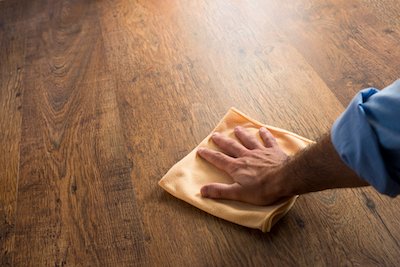
Coffee grounds can also be used to create a natural wood stain that gives unfinished wood a weathered, rustic appearance. While it won’t provide the same durability as commercial stains, it can be a useful option for decorative projects and indoor crafts.
Related: How to Make Your Own Homemade Natural Furniture Polish
Simply brew a strong mixture using used coffee grounds and then brush the liquid onto unfinished wood. Multiple coats can deepen the color and create a richer finish.
This technique works particularly well for small signs, picture frames, decorative boxes, and farmhouse-style projects. Before staining a larger piece, it’s always a good idea to test the mixture on a scrap piece of wood first.
28. Make Vintage-Looking Paper for Crafts
There’s something charming about the look of aged paper. Whether you’re creating invitations, scrapbook pages, journal inserts, treasure maps, or themed decorations, coffee grounds can help give paper an antique appearance.
You can do this by brewing a strong coffee solution using saved grounds and lightly brush or soak paper with the mixture. Once the paper dries, it develops a naturally aged look with warm brown tones and subtle variations in color.
For an even more distressed effect, you can crumple the paper slightly before applying the coffee stain. This is a great way to reuse coffee grounds because it’s inexpensive, easy to do, and adds character to a variety of craft projects. It’s especially popular for historical, fantasy, and vintage-inspired creations.
29. Use Them in Children’s Sensory Bins
Used coffee grounds can be a surprisingly fun addition to sensory play activities for children. Once the grounds have been thoroughly dried, they provide an interesting texture that can be explored through scooping, pouring, and imaginative play.
Consider adding dried coffee grounds to sensory bins alongside measuring cups, toy animals, small containers, or nature-themed items. The grounds can mimic soil, making them a great choice for garden-themed or outdoor-inspired sensory activities.
As always, adult supervision is important, especially with younger children who may still put objects in their mouths. This creative reuse gives coffee grounds a second life while providing children with a hands-on opportunity to explore different textures and engage their imaginations.
30. Create Textured Artwork and Paintings
If you’re looking for a unique art material, coffee grounds can add texture and visual interest to paintings and mixed-media projects. Their natural color and grainy consistency make them ideal for creating earthy backgrounds, landscapes, and abstract designs.
Mix dried coffee grounds into paint, glue, or modeling mediums to create textured effects that stand out from traditional artwork. They can be sprinkled onto wet paint for added dimension or incorporated into collages and craft projects.
Related: The Best Safe and Non-Toxic Art Supplies for Kids and Adults
Since coffee grounds vary in size and color, they create organic patterns that are difficult to replicate with manufactured materials. Whether you’re crafting with kids or working on your own artistic projects, coffee grounds can become an unexpected and versatile art supply.
31. Fill Homemade Sachets for Rustic Décor Projects
If you enjoy DIY home décor, coffee grounds can be incorporated into handmade sachets that add a rustic touch to your living space. Once the grounds have been thoroughly dried, they can be placed inside small fabric pouches and used in decorative displays around the home.
Use burlap, cotton, or linen fabric to create simple sachets that fit well with farmhouse and cottage-style décor. While the coffee scent will fade over time, the sachets can still add texture and visual interest to decorative baskets, shelves, and seasonal displays.
You can even combine the grounds with dried herbs such as lavender, rosemary, or mint for additional fragrance. This project is inexpensive, easy to make, and provides another creative way to reuse coffee grounds instead of sending them to the landfill.
32. Add Them to Candle-Making Projects

Homemade candles are a fun and rewarding DIY project, and coffee grounds can add both texture and visual appeal to your creations. The grounds can be incorporated into the wax to create a rustic look that pairs especially well with coffee-themed candles and kitchen décor.
Related: Why It’s so Important to Burn Non-Toxic Candles in Your Home
You can sprinkle a small amount of dried coffee grounds into melted wax before pouring it into candle containers. Some candle makers also place a decorative layer of grounds along the bottom or sides of clear jars for added visual interest. Just be sure the grounds are completely dry before adding them to the wax.
While the grounds alone won’t produce a strong coffee scent, they can complement coffee-inspired fragrance oils beautifully. This is a great way to personalize handmade candles while finding another use for something that would otherwise be discarded.
33. Use Them as a Pin Cushion Filler
Coffee grounds can even find a second life in sewing and crafting projects. When thoroughly dried, they can be used as part of the filling for homemade pin cushions. Their fine texture helps create a firm cushion that securely holds sewing pins and needles.
To make your own coffee ground pin cushion, mix dried coffee grounds with traditional stuffing materials to create a balanced filling. Some sewists believe that the mild abrasiveness of the grounds may even help keep pins cleaner as they’re inserted and removed, although the main benefit is simply giving a waste product a useful purpose.
Homemade pin cushions also make thoughtful gifts for crafters and sewing enthusiasts. If you enjoy making your own sewing accessories, this is a unique and practical way to reuse coffee grounds while supporting a more sustainable crafting habit.
34. Scatter Them on Icy Walkways for Extra Traction in Winter

During icy weather, coffee grounds can provide temporary traction on slippery walkways, steps, and driveways. The coarse texture helps create a rougher surface underfoot, making it easier to maintain your footing when conditions are slick.
This is a unique option because it gives coffee grounds one more useful purpose before they eventually break down naturally outdoors. Simply sprinkle used grounds over icy areas in much the same way you might use sand.
While they won’t melt ice like salt products, they can help improve traction and may be less harmful to nearby plants than some de-icing chemicals. This is a particularly handy trick if you already have a supply of saved coffee grounds and need a quick solution for a slippery path.
35. Use Them as a Natural Odor Absorber in Your Car

Cars can trap all kinds of odors, from fast food and gym clothes to wet umbrellas and pet gear. Instead of relying on heavily scented air fresheners, consider using coffee grounds as a natural odor absorber.
Related: Protect the Air You Breathe With the Best Non-Toxic Car Air Fresheners
You can place completely dried coffee grounds in a small breathable pouch or container and keep it under a seat or in a cup holder. Over time, the grounds can help absorb lingering odors and freshen the air naturally.
This method is inexpensive, simple to maintain, and avoids the synthetic fragrances found in many commercial air fresheners. Replace the grounds every few weeks for the best results.
It’s a small sustainability swap, but it’s another great example of how a common kitchen waste product can continue to be useful long after your morning cup of coffee is gone.
Start Getting More From Every Cup of Coffee

As you can see, there are plenty of creative and practical ways to reuse coffee grounds instead of tossing them in the trash. From enriching your compost pile and improving garden soil to freshening your home and creating DIY beauty products, coffee grounds can be surprisingly versatile.
Plus, a simple habit like saving your used grounds can help reduce household waste while saving money and making the most of a resource you already have.
You don’t have to try all of these ideas at once. Start with one or two that fit naturally into your routine and go from there. Small changes can add up over time, and finding new ways to reuse everyday items is a great step toward a more sustainable lifestyle.
So, the next time you brew a pot of coffee, think twice before throwing those grounds away. You might be surprised by how many useful purposes they still have left to serve.


