How to Make Homemade Dish Soap
If you’ve ever wondered how to make dish soap that’s both effective and eco-friendly, you’re in the right place. I’ve tried quite a few natural cleaning recipes over the years, and making my own dish soap has been one of the simplest and most satisfying swaps I’ve made.
Not only does it cut down on plastic waste and harsh chemicals, but it also saves money and gives you full control over what you’re using to clean your dishes.
In this post, I’ll walk you through exactly how to make dish soap using gentle, natural ingredients that actually get the job done. Whether you’re just starting your green living journey or looking to ditch one more toxic product from your kitchen, this DIY dish soap is a great place to start.
Why Make Your Own Dish Soap?
If you’re trying to live more sustainably, learning how to make dish soap is a super practical step in the right direction. For me, it all started when I looked on the back of a store-bought dish soap bottle and couldn’t pronounce half the ingredients.
On top of that, the bottles were plastic, the formulas were full of synthetic fragrances, and I felt like I was washing my plates with a chemical cocktail. That’s when I decided to take matters into my own hands and make something gentler for my home and the planet.
Related: How to Make Homemade Dishwasher Detergent
Making your own dish soap helps reduce plastic waste and cuts back on harsh ingredients like sulfates, dyes, and preservatives that aren’t great for sensitive skin or the environment. Most DIY recipes use natural ingredients like Castile soap, baking soda, and essential oils. This way you know exactly what’s going down the drain and onto your dishes.
Another big win is that homemade dish soap saves money. You can make a big batch of soap for a fraction of the price of natural brands at the store, especially when you buy ingredients in bulk.
Plus, once you start making your own dish soap, it opens the door to so many other homemade cleaning products. Before long, your kitchen could be stocked with jars and bottles full of safe, simple, and effective cleaners that were all made by you!
How to Make DIY Dish Soap


When it comes to learning how to make dish soap, you don’t need a chemistry degree or fancy equipment. You just need a few natural ingredients, a clean bottle, and about five minutes of your time.
Related: How to Make a Highly Effective and Non-Toxic Kitchen Cleaner
Here’s my go-to homemade dish soap recipe. It’s gentle, effective, and super easy to customize.
Ingredients:
- 1 cup liquid Castile soap (unscented or scented)
- 1 tablespoon washing soda (helps cut grease)
- 1 tablespoon vegetable glycerin (adds thickness and moisture)
- 10 drops lemon essential oil (optional, for scent and grease-fighting)
- 1 cup distilled water (or boiled and cooled water)
- Clean dish soap bottle
- Funnel
Instructions:
- Warm the water slightly so it mixes well with the ingredients. (Don’t boil it if you’re using Castile soap. It can separate.)
- In a mixing bowl or directly in your soap bottle, pour in the Castile soap, washing soda, and vegetable glycerin.
- Slowly add the warm water, using a funnel if needed. Stir or shake gently until everything is mixed.
- Add your essential oils. Lemon is my favorite, but lavender, tea tree, or orange work beautifully too.
- Let the mixture sit for an hour or so to fully settle before using.
That’s it! You now have a simple, natural dish soap ready to go. If you prefer a thicker texture, you can experiment with adding more glycerin, but this basic version works great for everyday dishes.
Optional Add-Ins: Customizing Your Soap With Scents and Boosters
One of the things I love most about making my own dish soap is how customizable it is. Once you’ve got the basic formula down, it’s easy to adjust the scent, add antibacterial ingredients, or boost grease-fighting power depending on your preferences.
Essential Oils for Scent:
- Lemon: Classic and clean, plus it helps cut grease.
- Lavender: Calming and great if you wash dishes in the evening.
- Tea Tree: Naturally antibacterial and earthy.
- Peppermint: Refreshing and energizing.
- Eucalyptus: Great for winter months and a spa-like feel.
You can mix and match these to create your own signature blend. I often use lemon and lavender together for a sunny, relaxing scent that makes washing dishes a little more enjoyable.
Grease-Fighting Boosters:
- Washing soda: A natural cleaner that helps break down tough grease.
- Citrus essential oils: Orange, grapefruit, and lemon oils are all known for their degreasing power.
- Vinegar: Some people like to add a tablespoon of white vinegar. However, I skip it if I’m using Castile soap, since the two don’t always mix well.
Antibacterial Additions:
- Tea tree or eucalyptus oil: Natural and effective without harsh chemicals.
- Thyme oil: Known for its antimicrobial properties.
Just remember: essential oils are powerful, so a little goes a long way. Stick with 10-20 drops per batch, depending on the strength you prefer. Also, always shake your bottle before each use to redistribute the oils.
How to Store Your Homemade Dish Soap
Once you’ve learned how to make dish soap at home, the next step is figuring out how to store it properly. Luckily, this part is just as simple and totally customizable to fit your style and kitchen setup.
Choose the Right Container:
I like to reuse a glass pump bottle or upcycle an old plastic dish soap bottle. A mason jar with a pour spout lid also works great. Just make sure whatever you use is clean and dry before you fill it up. If you’re using essential oils in your recipe, a dark amber glass bottle can help preserve the scent and potency longer.
Keep It Cool and Dry:
Store your dish soap in a cool, dry spot away from direct sunlight or heat. Natural ingredients can break down more quickly when exposed to heat or light, especially if you’ve added essential oils.
Shake Before Each Use:
Since this dish soap doesn’t contain any chemical stabilizers, separation is totally normal. Just give it a little shake before each use to remix the ingredients.
Shelf Life Tips:
Most homemade dish soaps last around 1-2 months, especially if you’ve used distilled or boiled water. If it ever starts to smell off or look cloudy in a weird way, it’s time to make a fresh batch. You can always make smaller batches more frequently if that gives you peace of mind.
Homemade products don’t last as long as store-bought ones with preservatives, but the benefit is you’re not exposing yourself to those preservatives in the first place.
Does Homemade Dish Soap Really Work? Here’s My Honest Experience


When I first started experimenting with how to make dish soap, I’ll admit I was a little skeptical. Would it actually clean greasy pans? Would I miss the suds I’d grown used to with store-bought brands?
Here’s the honest truth: it does work, but it’s just a little different.
The first thing I noticed is that natural dish soap doesn’t suds up the same way. That’s because it doesn’t have synthetic foaming agents like SLS (sodium lauryl sulfate), which give commercial soaps all that lather. But suds don’t actually equal cleaning power. It’s just what we’re used to seeing.
However, the real test was when I tried my homemade soap on a greasy skillet. With a little hot water, a good scrub brush, and a squirt of my DIY soap, the pan came out clean and squeaky. I’ve since used it on everything from mason jars to baking dishes, and it has handled everyday messes like a champ.
The only time I reach for something extra is when I have a ton of dishes with baked-on food. That’s when I soak them first or sprinkle a little baking soda directly on the dish before scrubbing.
Overall, I’ve been using homemade dish soap for a while now, and I’ve been very pleased. It’s budget-friendly, better for my skin, and it feels good knowing exactly what I’m using to clean the things my family eats off of every day.
Troubleshooting Tips: When Your DIY Soap Separates or Has No Suds
If you’ve tried to make your own dish soap and noticed that it separates or doesn’t suds the way you’d expect, you’re not alone. These are the two most common issues I get asked about. Luckily, they’re easy to fix once you understand what’s going on.
Problem #1: My Dish Soap Separates
Natural dish soap doesn’t contain commercial emulsifiers or stabilizers, so some separation is totally normal, especially if you’re using essential oils or adding vinegar. Just give it a quick shake before each use.
If you want to help everything stay together better, try adding 1/4 teaspoon of xanthan gum dissolved in warm water before mixing it into your soap. It’ll give the soap a slightly thicker, more uniform consistency.
Problem #2: My Soap Doesn’t Lather
This one surprises a lot of people! Commercial soaps are made with foaming agents that create those big, bubbly suds. Natural Castile soap is more subtle. It still works, but it won’t look like a bubble bath.
If you miss the lather, try mixing in a tablespoon of natural liquid coconut-based foaming soap or using a foaming dispenser bottle to give the illusion of more suds.
Other Tips:
- If your soap feels too runny, add a bit more glycerin or reduce the water next time.
- If it doesn’t cut grease as well as you’d like, increase the washing soda slightly or add a few extra drops of citrus essential oils.
Eco-Friendly Dishwashing Tools to Pair With Your Soap
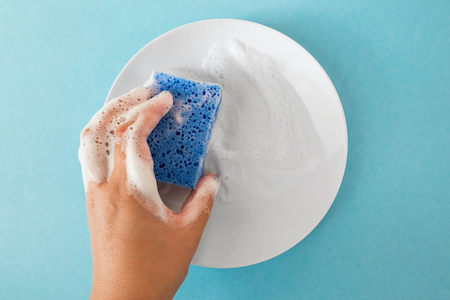
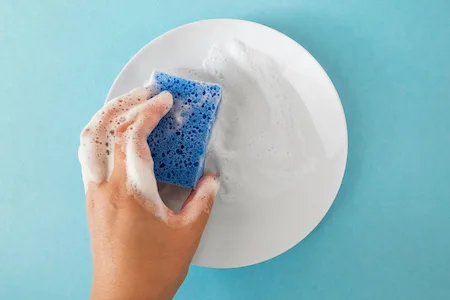
Once you’ve mastered how to make dish soap, it’s time to upgrade the rest of your dishwashing setup to be just as eco-friendly. Swapping out plastic brushes and sponges for sustainable tools is one of my favorite ways to green up the kitchen.
Natural Sponges and Scrubbers
I love using loofah sponges and compostable cellulose sponges. They’re made from plant-based materials, clean really well, and can be tossed in the compost bin when they wear out.
Wooden Dish Brushes
A sturdy wooden brush with replaceable heads is one of the best zero-waste tools out there. Look for ones with plant-fiber bristles (like bamboo, sisal, or coconut) that can handle everything from delicate glassware to stubborn pots.
Reusable Dish Cloths
Ditch the paper towels and grab some bamboo or cotton dishcloths instead. They’re washable, reusable, and way more absorbent.
Soap Dispensers and Storage
Use glass or stainless steel soap dispensers to store your DIY dish soap. They look great on the counter and reduce your plastic footprint over time.
Drying Racks and Mats
If you air-dry dishes, a bamboo rack or a silicone drying mat is a perfect low-waste option.
With the right tools and your homemade soap, doing the dishes actually feels like a peaceful, earth-friendly ritual instead of a dreaded chore. It’s all about finding joy in the little things and knowing you’re making choices that are better for your home and the planet.
Final Thoughts on How to Make Dish Soap at Home
Learning how to make dish soap is such a simple yet powerful way to bring more natural, eco-friendly habits into your home. Not only does it cut down on waste and eliminate unnecessary chemicals from your kitchen routine, but it also gives you a deeper connection to the products you use every day.
Whether you’re just beginning your low-tox living journey or you’ve already swapped out most of your household cleaners, making your own dish soap is a great next step. You get to control the ingredients, customize the scent, and pair it with sustainable tools that make dishwashing feel like less of a chore and more of a mindful moment.
Give it a try and see how it works for you! Remember, DIY doesn’t have to be perfect. Tweak the recipe, troubleshoot as needed, and have fun with the process. Once you make your first batch, you might just wonder why you didn’t start sooner.


