How to Homestead in an Apartment
A Beginner’s Guide on How to Homestead in an Apartment
If you’ve ever dreamed of a slower, more self-sufficient lifestyle but feel limited by your space, you’re not alone. The good news is that learning how to homestead in an apartment is not only possible, it can be surprisingly simple and incredibly rewarding. In fact, once you start looking at your home a little differently, you’ll realize you don’t need acres of land to live more intentionally.
I used to think homesteading meant big gardens, chickens in the backyard, and lots of open space. However, over time, I’ve learned that it’s really about mindset more than square footage.
It’s about growing what you can, making what you can, and being more mindful about what you bring into your home. These are things you can absolutely do from a small apartment.
Whether you’re working with a sunny windowsill, a tiny balcony, or just a cozy kitchen, there are so many ways to create a more sustainable, self-reliant lifestyle right where you are. From growing fresh herbs to reducing waste and making simple DIY swaps, apartment homesteading is all about doing what you can with what you have.
In this post, I’m going to walk you through practical, beginner-friendly ways to start homesteading in your apartment, no backyard required. You might be surprised at just how much you can do.
What Does It Mean to Homestead in an Apartment?

When most people think of homesteading, they picture wide open land, big gardens, and maybe even a few chickens roaming around. However, the truth is, homesteading is less about where you live and more about how you live. Learning how to homestead in an apartment simply means bringing that same self-sufficient, intentional mindset into a smaller space.
At its core, apartment homesteading is about doing what you can with what you have. It might look like growing herbs on your windowsill, cooking more meals from scratch, or finding ways to reduce waste in your daily routine. Instead of relying entirely on store-bought goods, you start creating and growing more things yourself, even in small ways.
Related: How to Start an Urban Homestead for Beginners
This lifestyle is also deeply connected to sustainability. When you make your own cleaning products, grow your own food, or choose reusable items, you naturally reduce your environmental impact. Plus, the best part is that you don’t have to do everything at once. Small changes really do add up over time.
If you’ve been craving a simpler, more intentional way of living, apartment homesteading is a beautiful place to start. It meets you exactly where you are and grows with you.
Start With a Homesteading Mindset, Not More Space

One of the biggest misconceptions about homesteading is that you need more space to get started. In reality, the most important thing you need is a shift in mindset. Before you buy anything or rearrange your apartment, take a moment to think about what homesteading means to you.
For me, it started with asking some simple questions. How can I rely less on convenience and more on my own skills? What can I make instead of buy? How can I reduce waste in my home? These small mindset shifts opened the door to so many meaningful changes, even in a limited space.
Related: Crucial Skills Everyone Needs to Know Before Starting a Homestead
When you focus on the mindset first, you stop feeling restricted by your environment. Instead of thinking about what you can’t do, you start noticing all the things you can do. Perhaps you can grow a few herbs, learn to bake your own bread, or switch to reusable products. Each step builds confidence and momentum.
It also helps to let go of perfection. You don’t have to grow all your own food or make everything from scratch to be a real homesteader. Every small, intentional choice counts.
Once you embrace this mindset, your apartment becomes full of possibilities instead of limitations.
How to Grow Food in a Small Apartment
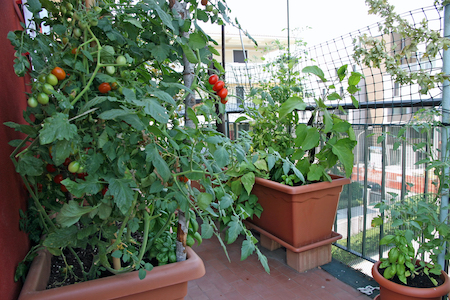
Growing your own food might feel like the biggest challenge when you live in an apartment, but it’s actually one of the most rewarding parts of apartment homesteading. With a little creativity, you can grow a surprising amount of food in a small space.
Start by looking at the light in your home. Most edible plants need at least a few hours of sunlight each day, so windowsills, balconies, and any bright corners are your best friends. Even if your space doesn’t get perfect light, there are still plenty of plants that will adapt.
Container gardening is key here. You can grow herbs, leafy greens, and even some vegetables in pots, jars, or small planters. Vertical gardening is another great option, especially if you’re short on space. Think hanging planters, wall-mounted shelves, or tiered stands that let you grow upward instead of outward.
One of my favorite things about growing food indoors is how accessible it is. You don’t need fancy equipment to get started. A few pots, some good soil, and seeds or starter plants are more than enough.
Plus, there’s something so satisfying about snipping fresh herbs or harvesting your own greens right from your kitchen. It’s a small step toward self-sufficiency that feels incredibly rewarding.
The Best Herbs and Vegetables to Grow Indoors

If you’re just getting started, choosing the right plants to grow indoors can make all the difference. Some herbs and vegetables are much better suited for indoor growing, especially in smaller spaces with limited light.
Herbs are by far the easiest place to begin. Basil, mint, parsley, chives, and thyme all grow well indoors and don’t require a lot of space. Plus, they’re incredibly useful in everyday cooking, so you’ll actually use what you grow.
Leafy greens are another great option. Lettuce, spinach, and arugula grow quickly and don’t need deep containers, which makes them perfect for apartments. You can even grow them in small batches and harvest them as needed.
Related: The Best Fruit Trees You Can Grow Right in Your Living Room
If you’re feeling a little more adventurous, you can try growing compact vegetables like cherry tomatoes, peppers, or green onions. These can thrive in containers with enough light and care.
The key is to start small and build from there. It’s much better to successfully grow a few plants than to feel overwhelmed trying to grow everything at once.
Once you gain confidence, you can expand your indoor garden in a way that feels manageable and enjoyable.
Creative Ways to Use Windowsills, Balconies, and Vertical Space

When you’re working with a small apartment, making the most of your space is everything. The good news is that there are so many creative ways to turn even the tiniest areas into productive, homestead-inspired spaces.
Windowsills are one of the easiest places to start. A sunny windowsill can become a mini garden filled with herbs or small plants. If you have multiple windows, you can even dedicate each one to different types of plants based on their light needs.
If you’re lucky enough to have a balcony, you have even more possibilities. Small container gardens, railing planters, or vertical plant stands can help you grow more without taking up too much room. Even a few pots can make a big difference.
Vertical space is often overlooked, but it’s incredibly valuable. Wall-mounted planters, hanging baskets, and shelves can all help you grow upward instead of outward. This is especially helpful if your floor space is limited.
You can also get creative with multi-purpose setups. For example, a small shelving unit can hold plants, kitchen supplies, and homesteading tools all in one place.
Once you start thinking vertically and intentionally, you’ll realize your apartment has more usable space than you thought.
Stocking a Small-Space Homestead Pantry

Creating a well-stocked pantry is a simple way to feel more prepared and self-sufficient, even in a small apartment. The goal isn’t to have a huge stockpile, but rather to keep versatile, nourishing staples on hand that you use regularly.
Start with the basics you already enjoy. Things like rice, beans, pasta, oats, and flour are great foundational items. From there, you can add shelf-stable ingredients like canned tomatoes, broths, nut butters, and dried herbs.
Related: Easy-to-Make Pantry Recipes You Can Cook With Simple Ingredients
When space is limited, organization becomes really important. Clear containers, stackable jars, and labeled bins can help you make the most of your pantry space and keep everything easy to find.
In addition to keeping things organized and easy to find, it also helps to rotate your pantry items and only stock what you’ll realistically use. This prevents waste and keeps things fresh.
A thoughtful pantry supports so many parts of apartment homesteading. It makes cooking from scratch easier, reduces last-minute grocery trips, and gives you a sense of comfort knowing you have what you need on hand.
Learning to Cook More From Scratch in an Apartment

Cooking from scratch is one of the most rewarding skills you can develop as an apartment homesteader. It connects you more deeply to your food and helps you rely less on processed, packaged items.
The idea can feel overwhelming at first, but it doesn’t have to be complicated. Start with simple recipes you already enjoy and look for ways to make them at home. Maybe that’s baking your own muffins instead of buying them, or making a homemade soup instead of reaching for a canned version.
Over time, these small changes build confidence. You begin to understand ingredients better, and cooking starts to feel more natural instead of like a chore.
One thing that really helps is keeping your kitchen stocked with basic ingredients and tools. When everything you need is within reach, it’s much easier to cook at home consistently.
Cooking from scratch also pairs beautifully with other homesteading habits, like growing your own herbs or stocking a pantry. It all works together to create a more intentional and self-sufficient lifestyle.
Plus, there’s something really comforting about preparing your own meals. It slows things down and turns everyday routines into something a little more meaningful.
Raising Backyard Animals, What You Can (and Can’t) Do

When people think of homesteading, raising animals is often part of the picture. While most apartments don’t allow for chickens or livestock, there are still creative ways to bring a small piece of that experience into your life.
For example, some people explore keeping bees through community programs or local apiaries rather than at home. Others get involved with community gardens or urban farms where they can contribute and learn hands-on skills without needing their own land.
Related: The Best Low-Maintenance Farm Animals for an Urban Homestead
If your apartment allows pets, even something as simple as caring for animals responsibly can help you feel more connected to that homesteading lifestyle. In some cases, people are able to keep very small-scale setups like aquaponics systems, where fish and plants work together in a self-sustaining environment.
It’s also important to be mindful of your lease and local regulations. Not every option will be possible in every space, and that’s okay.
Apartment homesteading isn’t about doing everything yourself, it’s about finding creative, realistic ways to participate. Even if you don’t have animals at home, you can still learn, support local systems, and be part of that lifestyle in meaningful ways.
Budget-Friendly Tips for Apartment Homesteading

One of the best things about apartment homesteading is that it doesn’t have to be expensive. In fact, many of the habits you’ll build can actually help you save money over time.
A great place to start is by using what you already have. Glass jars can become storage containers or planters, old t-shirts can be turned into cleaning cloths, and kitchen scraps can sometimes be regrown into new plants like green onions or lettuce.
Buying secondhand is another simple way to keep costs down. Thrift stores and online marketplaces are great places to find kitchen tools, containers, and even small furniture pieces for organizing your space.
When you do need to buy something new, focus on quality over quantity. Investing in a few well-made, reusable items can save you money in the long run compared to constantly replacing cheaper, disposable products.
You can also save money by making more things at home, from meals to cleaning products. These small shifts reduce your reliance on store-bought items and help stretch your budget further.
Common Challenges of Apartment Homesteading and How to Overcome Them

Apartment homesteading is incredibly rewarding, but it does come with a few challenges. The good news is that most of them are easier to work through than you might think.
Limited space is usually the biggest concern. When you don’t have a yard or extra storage, it can feel like your options are restricted. Yet this is where creativity really shines. Using vertical space, choosing multi-purpose tools, and focusing on a few key areas can help you do more with less.
Lighting can also be tricky, especially if your apartment doesn’t get a lot of natural sunlight. If that’s the case, try focusing on low-light plants or consider adding a small grow light to support your indoor garden.
Another common challenge is time. It’s easy to feel like you’re too busy to take on something new. That’s why starting small is so important. Even one simple habit, like cooking from scratch a few times a week, can make a big difference.
Finally, there’s the feeling that you’re not doing enough. It’s important to remember that homesteading isn’t all or nothing. Every small step you take counts.
When you approach these challenges with flexibility and patience, they become part of the journey rather than roadblocks.
Final Thoughts on How to Homestead in an Apartment

Learning how to homestead in an apartment is really about embracing a simpler, more intentional way of living, no matter how much space you have. It’s not about doing everything perfectly or recreating a full-scale homestead in a small apartment. It’s about making small, meaningful changes that bring you closer to a more sustainable and self-sufficient lifestyle.
When you start growing your own herbs, cooking from scratch, reducing waste, or making your own products, you begin to see just how capable you really are. These small actions add up in a powerful way, not just for your home, but for the environment as well.
The beauty of apartment homesteading is that it meets you exactly where you are. You don’t need land, expensive tools, or a complete lifestyle overhaul to get started. You just need a willingness to try.
So start small. Choose one thing that feels doable and build from there. Over time, you’ll create a home that feels more connected, more intentional, and more aligned with the life you want to live. You also might just find that your little apartment can do more than you ever imagined!