The Best Herbs to Use for Colds and Flu
Ease Those Sniffles With the Best Herbs for Colds and Flu
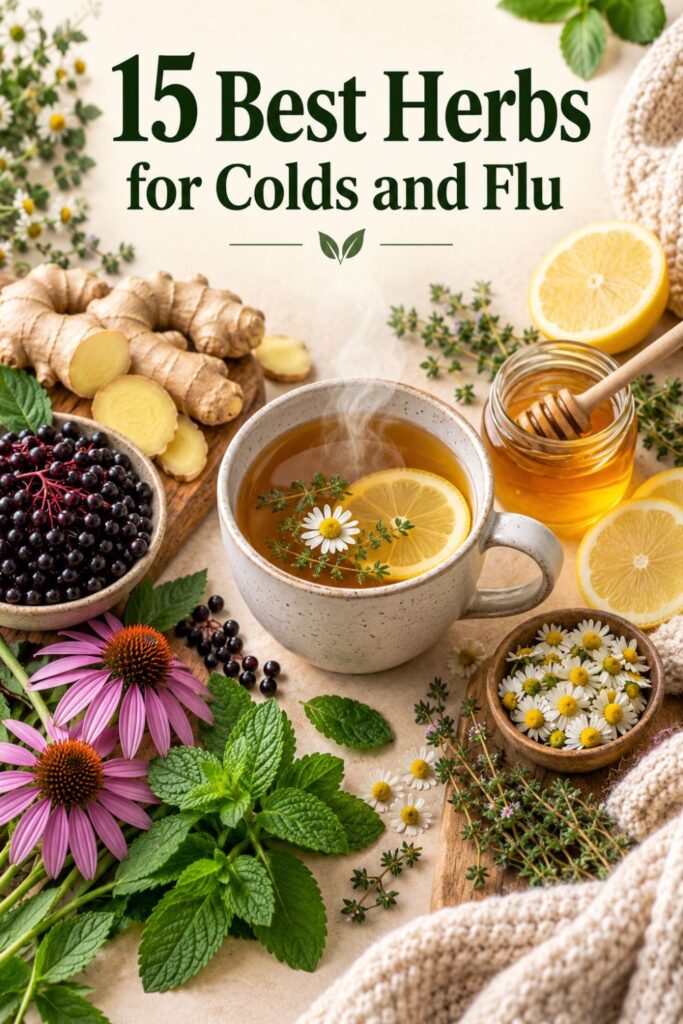
When the first sniffle, scratchy throat, or body ache appears, you might wonder whether your herb cabinet can offer a little extra comfort. The best herbs for colds and flu may help soothe common symptoms, support your immune system, and make those miserable sick days feel a bit more manageable.
I love keeping a few trusted herbs on hand because they offer a simple, natural way to care for yourself and your family when seasonal illnesses strike. From calming a stubborn cough to easing congestion or settling an upset stomach, different herbs can provide different types of support.
In this guide, I’ll share some of the most helpful herbs to reach for during cold and flu season, how you can use them, and important safety precautions to keep in mind.
1. Elderberry

Elderberry is one of the most popular herbs for cold and flu season. These small, dark purple berries are rich in antioxidants and are commonly made into syrups, gummies, lozenges, and teas.
Some research suggests that elderberry may help reduce the severity or duration of cold and flu symptoms, although more high-quality studies are needed.
Related: Natural Ways to Fight Off a Cold That Actually Work
I like elderberry syrup because it is easy to keep on hand and simple to take when the first sniffles appear. However, elderberry should not replace medical care or antiviral medication when it’s needed.
You should also never eat raw or unripe elderberries, leaves, stems, or bark, since they contain compounds that can cause nausea, vomiting, and diarrhea. Choose a properly prepared commercial product or follow a trusted recipe that thoroughly cooks the berries.
2. Echinacea
Echinacea is another well-known herb that many people reach for at the first sign of a cold. It’s available in several forms, including tea, tinctures, capsules, and lozenges.
Some studies suggest that echinacea may slightly reduce your chances of catching a cold or shorten how long symptoms last, but the research has produced mixed results.
If you decide to try echinacea, you may get the most benefit by taking it as soon as symptoms begin. Keep in mind that products can vary depending on the species and parts of the plant used.
Echinacea may also cause an allergic reaction, especially if you are sensitive to ragweed, daisies, marigolds, or other plants in the same family. Talk to your healthcare provider before using it if you take medication, have an autoimmune condition, or are pregnant or breastfeeding.
3. Ginger

Fresh ginger is one of my favorite herbs to have available when I’m feeling under the weather. Its pleasantly spicy warmth can make a cup of tea feel especially comforting when you are dealing with chills, a scratchy throat, or congestion.
Ginger is also widely used to settle nausea, which may be helpful if an illness has left your stomach feeling uneasy.
To make a simple ginger tea, steep thin slices of fresh ginger root in hot water for about 10 minutes. You can add lemon and a little honey for extra flavor and throat-soothing comfort.
Ginger is generally safe in normal culinary amounts, but concentrated supplements may interact with certain medications, including blood thinners. If you take medication, have a bleeding disorder, are pregnant, or plan to use a large amount, check with your healthcare provider first.
4. Peppermint

Peppermint has a fresh, cooling flavor that can feel refreshing when your nose is stuffy or your throat is irritated. Its naturally occurring menthol creates a cooling sensation that may make breathing feel more comfortable, even though it doesn’t actually cure congestion or eliminate the virus causing your symptoms.
Peppermint tea may also help you stay hydrated, which is especially important when you’re sick.
Related: Medicinal Herbs That Can Naturally Boost Energy
You can prepare peppermint tea using fresh leaves, dried leaves, or a prepackaged tea bag. Sip it warm and breathe in the fragrant steam as you drink.
Peppermint tea is usually well tolerated, but it may worsen heartburn or acid reflux in some people. Peppermint essential oil is much more concentrated than tea and should never be swallowed unless you are under the guidance of a qualified healthcare professional.
5. Thyme

Thyme is more than a flavorful kitchen herb. It also has a long history of traditional use for coughs and other respiratory complaints.
Thyme contains aromatic plant compounds, including thymol, and is often included in herbal cough teas and syrups. It may help soothe an irritated throat and make mucus easier to clear, although it shouldn’t be presented as a cure for a cold, influenza, or another respiratory infection.
You can make thyme tea by steeping fresh or dried thyme in hot water for several minutes, then straining it before drinking. Add honey if you want additional sweetness and throat-soothing comfort.
Culinary amounts of thyme are generally considered safe for most adults. Medicinal preparations may not be appropriate for everyone, however, so consult your healthcare provider before using concentrated thyme products during pregnancy or alongside medications.
6. Sage

Sage is a fragrant kitchen herb that has traditionally been used to soothe sore, scratchy throats. Its warm, earthy flavor works well in herbal tea, and you can also use cooled sage tea as a gargle when swallowing feels uncomfortable.
While sage will not cure a cold or the flu, it may provide temporary relief from minor throat irritation.
To make sage tea, steep fresh or dried leaves in hot water for about 5 to 10 minutes, then strain before drinking. You can add honey and lemon to soften its strong flavor.
Culinary amounts are generally safe for most adults, but concentrated sage products and sage essential oil require more caution. Some types of sage contain thujone, which can be harmful in large amounts.
If you’re pregnant, breastfeeding, have a seizure disorder, or take medication, consult your healthcare provider before using sage medicinally.
7. Chamomile

When a cold or the flu makes it difficult to relax, a warm cup of chamomile tea can be especially comforting. Chamomile is best known for its gentle, calming qualities, which may help you unwind and get the rest your body needs.
The warm liquid can also soothe an irritated throat and help you stay hydrated while you recover.
Related: Natural Ways to Help Fall Asleep Without Taking Medication
I like drinking chamomile tea before bed because it’s naturally caffeine-free and has a mild, slightly sweet flavor. Steep the dried flowers or a tea bag in hot water for about 5 to 10 minutes. You can also add a little honey if your throat feels scratchy.
Chamomile may trigger an allergic reaction in people who are sensitive to ragweed, daisies, chrysanthemums, or related plants. You should also speak with your healthcare provider before using concentrated products if you take blood thinners or other medications.
8. Lemon Balm

Lemon balm is a member of the mint family with a light, pleasant citrus flavor. It has traditionally been used to promote relaxation and ease mild feelings of stress.
This can be helpful when coughing, congestion, or general discomfort makes it difficult for you to settle down and get a good night’s sleep. However, lemon balm hasn’t been proven to treat the viruses that cause colds or influenza.
You can prepare lemon balm tea by steeping fresh or dried leaves in hot water for about 5 to 10 minutes. Try blending it with chamomile for a calming bedtime drink, or add honey for sweetness.
Lemon balm is generally well tolerated in moderate amounts, but it may cause drowsiness or interact with certain medications. Check with your healthcare provider before using medicinal amounts if you’re pregnant, breastfeeding, have a thyroid condition, or take sedatives or thyroid medication.
9. Marshmallow Root

Marshmallow root isn’t related to the fluffy candy you toast over a campfire. It comes from the Althaea officinalis plant and contains a thick, slippery substance called mucilage.
When prepared with water, this mucilage can coat the mouth and throat, which may provide temporary comfort when you’re dealing with dryness, irritation, or a nagging dry cough.
Marshmallow root is commonly sold as tea, powder, syrup, or lozenges. Since its soothing compounds extract well in water, it’s sometimes prepared as a cold infusion by soaking the dried root for several hours before straining it.
Marshmallow root may affect how your body absorbs oral medications. To reduce this risk, avoid taking it at the same time as your medicine and ask your healthcare provider or pharmacist how far apart to space them. Pregnant or breastfeeding individuals should seek medical guidance before using it.
10. Slippery Elm
Slippery elm comes from the inner bark of the slippery elm tree. Like marshmallow root, it contains mucilage that forms a smooth, gel-like substance when combined with water.
This coating action may help temporarily soothe a dry throat, hoarse voice, or irritating cough. You’ll often find slippery elm in throat lozenges, herbal teas, powders, and syrups.
If you’re using powdered slippery elm, mix it with water according to the product directions. Be sure to drink enough liquid, since the powder thickens considerably.
Slippery elm doesn’t kill cold or flu viruses, so think of it as a source of symptom comfort rather than a treatment for the illness itself. It may also slow the absorption of oral medications.
Ask your healthcare provider or pharmacist about spacing it apart from your medicine. Seek professional guidance before using slippery elm during pregnancy or breastfeeding.
11. Licorice Root
Licorice root has a naturally sweet flavor and a long history of use in herbal preparations for coughs and sore throats. Its soothing qualities may help coat an irritated throat and make a dry cough feel less uncomfortable.
You can find licorice root in teas, lozenges, syrups, and herbal throat blends. Keep in mind that licorice helps with symptom relief and doesn’t cure a cold or influenza.
Despite its sweet taste, licorice root isn’t a safe choice for everyone. A compound called glycyrrhizin can raise blood pressure, lower potassium levels, and cause other serious side effects when consumed in large amounts or for extended periods.
Avoid medicinal amounts if you have high blood pressure, heart disease, or kidney problems. Licorice can also interact with numerous medications, so check with your healthcare provider before using it.
12. Mullein
Mullein is a tall plant with soft, fuzzy leaves and small yellow flowers. Herbalists have traditionally used its leaves and flowers to soothe irritated airways, loosen mucus, and calm coughs.
Although scientific evidence supporting these uses is limited, many herbal cough teas contain mullein because it creates a mild, soothing drink.
You can prepare mullein tea by steeping dried leaves or flowers in hot water. The plant is covered in tiny hairs that may irritate your mouth and throat, so strain the tea thoroughly through a paper coffee filter, fine cloth, or several layers of cheesecloth before drinking it.
Avoid using mullein seeds, which contain potentially harmful compounds. There is limited safety information about taking mullein medicinally, particularly during pregnancy or breastfeeding. Purchase it from a trusted source and consult your healthcare provider before adding it to your cold and flu routine.
13. Garlic
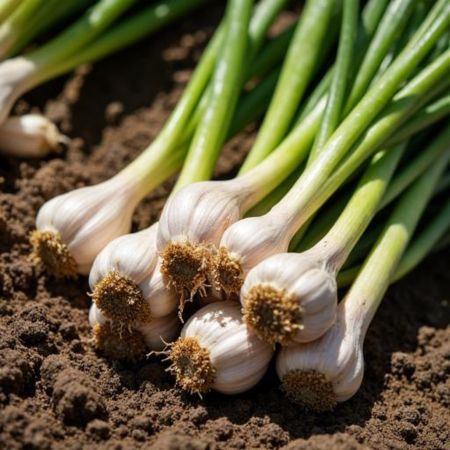
Garlic is a familiar kitchen ingredient that contains sulfur compounds, including allicin, which forms when fresh garlic is chopped or crushed. Some research suggests that garlic may support normal immune function, and adding garlic to a nourishing meal is an easy way to enjoy its flavor and beneficial plant compounds.
When I feel under the weather, I like adding fresh garlic to vegetable soup, broth, or other comforting dishes. Garlic is generally safe when eaten in normal food amounts, although raw garlic may cause heartburn, nausea, or stomach irritation.
Garlic supplements are more concentrated and may increase the risk of bleeding, especially if you take blood-thinning medication. Talk with your healthcare provider before using garlic supplements or consuming large medicinal amounts.
14. Turmeric
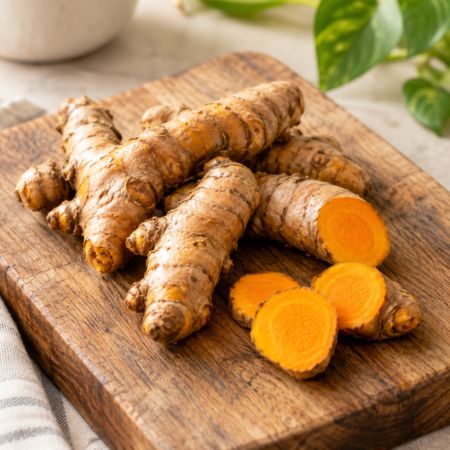
Turmeric is a vibrant golden spice that contains curcumin, a plant compound known for its antioxidant and anti-inflammatory properties. Although turmeric hasn’t been proven to cure colds or influenza, a warm turmeric drink can be a comforting addition to your routine when you feel achy or chilled.
It’s also an easy ingredient to incorporate into soups, curries, rice dishes, and warm beverages.
You can make a simple turmeric tea by gently combining turmeric with warm water or your favorite milk. Add ginger, cinnamon, or a little honey for extra flavor.
Turmeric is generally safe in culinary amounts, but concentrated supplements can cause digestive discomfort and may interact with blood thinners and other medications. They may also be unsuitable for people with gallbladder problems.
If you’re pregnant, take medication, or have a medical condition, ask your healthcare provider before using turmeric supplements.
15. Astragalus
Astragalus is a root used in traditional Chinese herbal practices to support general wellness and immune function. Unlike herbs commonly taken after symptoms begin, astragalus is often used as part of a longer-term wellness routine before you get sick.
Dried astragalus root has a mild flavor and can be simmered in soups, broths, or herbal decoctions. You can also find it in capsules, powders, and tinctures.
Since astragalus may affect immune activity, it might not be suitable if you have an autoimmune condition, take immunosuppressive medication, or have received an organ transplant. Its safety during pregnancy and breastfeeding hasn’t been clearly established.
Before using astragalus medicinally, speak with your healthcare provider to make sure it’s an appropriate choice for you.
Important Herbal Safety Precautions

Herbs may be natural, but that doesn’t mean they’re safe for everyone. Before using an herbal remedy, check with your healthcare provider or pharmacist if you take prescription or over-the-counter medications.
Herbs such as garlic, ginger, chamomile, turmeric, and licorice root may interact with blood thinners, blood pressure medicines, sedatives, thyroid medications, and other drugs.
You may also need to space mucilaginous herbs, such as marshmallow root and slippery elm, away from medications because they could affect absorption.
If you’re pregnant or breastfeeding, consult a qualified healthcare professional before using herbs medicinally. The safety of many herbal products hasn’t been adequately studied during pregnancy or nursing.
You should also seek professional guidance before giving herbal teas, syrups, tinctures, lozenges, or supplements to children. Dosages intended for adults may be unsafe for a child, and honey should never be given to babies younger than 12 months.
Extra caution is important if you have high blood pressure, diabetes, heart or kidney disease, a seizure disorder, an autoimmune condition, allergies, or another underlying health concern. Choose herbs from reputable sources and follow preparation and dosage instructions carefully.
Never consume raw or unripe elderberries, and thoroughly strain mullein tea to remove its irritating hairs. Don’t swallow essential oils unless specifically directed by a qualified healthcare professional.
Finally, herbs can provide comfort, but they cannot replace appropriate medical care. Contact your healthcare provider if symptoms are severe, worsening, or accompanied by difficulty breathing, chest pain, confusion, dehydration, or a persistent high fever.
Finding Natural Comfort During Cold and Flu Season
The best herbs for colds and flu can be comforting additions to your wellness routine when you’re dealing with a scratchy throat, cough, congestion, nausea, or difficulty resting. Whether you sip ginger tea, gargle with sage, or enjoy a soothing cup of chamomile before bed, these simple remedies may help you feel a little more comfortable while your body recovers.
Remember that every herb has different benefits, precautions, and preparation requirements. Start with one that matches your symptoms, follow the recommended directions, and talk with your healthcare provider if you take medication or have any safety concerns.
Herbs cannot cure a cold or the flu, but when used responsibly alongside plenty of fluids, nourishing foods, and adequate rest, they can offer gentle support through the most uncomfortable days.