
Where to Find Free Gardening Supplies
Where You Can Find Free Gardening Supplies
Have you ever walked into a garden center, filled your cart with supplies, and then felt your jaw drop when you saw the total? If you’ve been wondering where to find free gardening supplies, you’re not alone. The good news is that many of the things you need to grow a thriving garden can often be found for free if you know where to look.
Over the years, I’ve discovered that gardening doesn’t have to be an expensive hobby. From free compost and mulch to seeds, pots, tools, and even raised-bed materials, there are countless opportunities to gather useful supplies without spending a dime. Not only can this save you money, but it also helps keep perfectly usable items out of landfills.
In this guide, I’ll share some of the best places to find free gardening supplies, along with tips for safely collecting and using them. Whether you’re starting your very first garden or looking for ways to garden more sustainably, you’ll find plenty of ideas to help you grow more while spending less.
Also, if you’re just beginning your gardening journey, don’t forget to check out my FREE Simple Gardening Guide to discover what you need to know to get started the right way.
1. Friends, Family, and Neighbors

Sometimes the best source of free gardening supplies is closer than you think. Before spending money on new supplies, consider asking friends, family members, and neighbors if they have anything they no longer need. You might be surprised by how much gardening equipment is tucked away in garages, sheds, and basements.
Many gardeners accumulate extra supplies over the years. They may have unused pots, duplicate tools, leftover seeds, plant labels, tomato cages, or bags of soil taking up valuable storage space. Others may have divided perennials, extra seedlings, or plant cuttings they’d be happy to share.
I’ve found that gardeners are often incredibly generous people. Most are excited to help someone else grow a successful garden, especially when it means their extra supplies won’t go to waste. A simple conversation can sometimes lead to enough materials to get an entire garden started.
Related: Everything You Need to Know to Start Your Own Thriving Garden
This approach also helps strengthen community connections. Borrowing, sharing, and exchanging items with people you know creates relationships that can be just as valuable as the supplies themselves. You may even discover a new gardening mentor along the way.
From a sustainability perspective, sharing resources is one of the most environmentally friendly choices you can make. Every time an existing item gets reused instead of replaced, fewer resources are required to manufacture new products. That’s good for your budget and the planet.
2. Facebook Marketplace
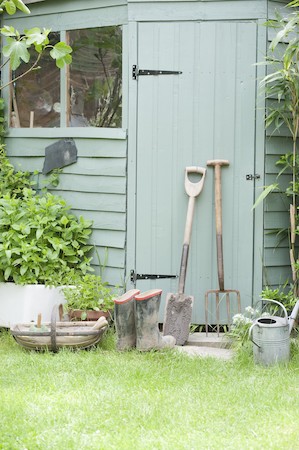
Facebook Marketplace is one great place to look for free gardening supplies is . While many people use it to sell items, there’s also a surprising number of people who simply want to give things away.
A quick search for terms like “free pots,” “free mulch,” “free dirt,” or “free garden supplies” can uncover some incredible finds.
Spring and fall tend to be especially good times to search. During these seasons, many homeowners clean out their sheds, garages, and garden beds.
Instead of throwing away items they no longer need, they often list them for free to anyone willing to pick them up. You can frequently find flower pots, seed trays, raised bed materials, bricks, pavers, garden tools, and even healthy plants that need a new home.
You definitely want to check often. Free items tend to disappear quickly, especially during gardening season. Setting aside a few minutes each day to browse listings can help you snag deals before someone else does.
3. Buy Nothing Groups
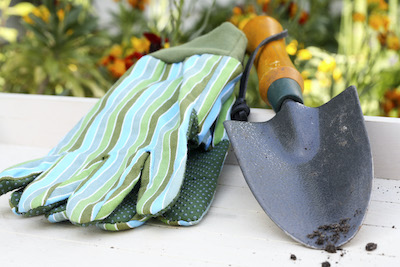
If you’re not already part of a local Buy Nothing group, this may be one of the most valuable resources you’ll discover as a gardener. Buy Nothing groups are community-based groups where neighbors give away items they no longer need and request items they’re hoping to find. Everything is shared freely, with no money changing hands.
Garden-related items show up surprisingly often. Some people offer extra seed packets, seedlings, plant cuttings, flower pots, garden edging, compost bins, raised bed materials, and even full collections of gardening tools.
Additionally, many gardeners end up with more plants than they can reasonably use, and these groups provide an easy way to pass them along to someone who will appreciate them.
One of the best things about Buy Nothing groups is that you don’t always have to wait for someone to post an item. Many groups allow members to make “wish” posts.
If you’re looking for tomato cages, nursery pots, mulch, or seeds, you can simply ask. You might be surprised by how many people have exactly what you need sitting in their garage or backyard.
I love that Buy Nothing groups encourage neighbors to help one another while reducing waste. Instead of buying something new, you’re giving existing items a second life. That’s a great example of sustainable living in action and one of the easiest ways to find free gardening supplies in your local community.
4. Craigslist Free Section

Craigslist may not be the first place you think of when you’re looking for gardening supplies, but the Free section can be a hidden treasure. People frequently use it to get rid of items they no longer need, and many of those items can be incredibly useful in the garden.
One of the biggest advantages of Craigslist is the variety of materials you can find. While flower pots and tools occasionally appear, you can also discover larger items that can help you build or improve your garden, such as free lumber for raised beds, bricks for pathways, fencing materials, compost bins, and rain barrels.
Timing can make a big difference. Many people post free items during home renovations, landscaping projects, or moves. They often want the items removed quickly, which creates opportunities for gardeners willing to pick them up. It’s worth checking regularly because listings can change throughout the day.
Whenever you’re picking up items from Craigslist, be sure to inspect them carefully before using them in your garden. Avoid materials that may have been treated with harmful chemicals or show signs of contamination. A little caution can help ensure you’re bringing home supplies that are both safe and useful.
5. Community Garden Plant Swaps

Community gardens are wonderful places to find free gardening supplies while connecting with other gardeners who share your interests. Many community gardens host plant swaps, seed exchanges, and seasonal events where gardeners can trade or give away extra plants and supplies.
Plant swaps are especially valuable if you’re looking to expand your garden without spending money. Gardeners often bring divided perennials, vegetable seedlings, herbs, bulbs, and rooted cuttings to share. It’s common to leave with several new plants while spending little or nothing at all.
Related: How Long Can You Keep Garden Seeds in Storage?
Seed exchanges can be equally rewarding. Many gardeners save seeds from successful crops and are happy to share them with others. This not only helps you save money, but it also encourages the preservation of heirloom and locally adapted plant varieties.
Beyond the plants themselves, community gardens can be excellent sources of gardening knowledge. Experienced gardeners often share tips, techniques, and recommendations that can help you avoid costly mistakes. In many cases, that advice is just as valuable as the supplies you bring home.
I also love that community gardens support a culture of sharing rather than constant consumption. Instead of everyone buying new plants and supplies each season, gardeners work together to make the most of what already exists.
6. Local Tree Service Companies

If you’re looking for free mulch, local tree service companies may become one of your favorite gardening resources. Whenever a tree is trimmed or removed, the branches are fed through a wood chipper, creating large quantities of mulch. Since tree companies often have to pay to dispose of these wood chips, many are happy to give them away for free.
Some companies even maintain lists of homeowners who are interested in receiving mulch deliveries. If you’re flexible about timing and don’t mind receiving a large load, you may be able to get enough mulch for your entire garden at no cost. A quick phone call to local tree service companies can help you find out what options are available in your area.
Wood chips can be incredibly useful in the garden. I use them to suppress weeds, retain moisture, reduce soil erosion, and gradually improve soil health as they break down. They can be especially helpful around trees, shrubs, pathways, and perennial garden beds.
It’s important to remember that fresh wood chips are generally best used as a surface mulch rather than mixed directly into garden soil. As the chips decompose, they can temporarily tie up nitrogen near the soil surface. Used correctly, however, they can provide years of benefits for your garden.
Not only does this help you save money, but it also keeps valuable organic material out of landfills. Turning tree waste into garden mulch is a perfect example of how one person’s leftover material can become another person’s valuable resource.
7. Municipal Compost and Mulch Programs

Many cities, counties, and municipalities offer free compost, mulch, leaves, or wood chips to local residents. Unfortunately, these programs are often overlooked simply because people don’t know they exist. Before spending money on soil amendments, it’s worth checking with your local government to see what resources may be available.
These materials are often created from yard waste collected through municipal recycling programs. Instead of sending leaves, grass clippings, and tree trimmings to a landfill, many communities process them into compost or mulch that residents can take home and use in their gardens.
The quality and availability vary by location, but some programs offer remarkably high-quality products. I’ve seen gardeners use municipal compost to enrich vegetable gardens, improve flower beds, and build healthier soil without spending hundreds of dollars on bagged products.
Many programs operate on a self-service basis. Residents simply bring a shovel, containers, or a trailer and load the material themselves. Others offer scheduled pickup days or seasonal distribution events. Checking your city or county website can often reveal what programs are available.
8. Coffee Shops and Cafés

The next time you stop for a cup of coffee, you might also be able to pick up a free gardening supply. Many coffee shops and cafés generate large amounts of used coffee grounds every day, and some are happy to give them away to gardeners rather than throw them in the trash.
Coffee grounds contain organic matter and small amounts of nutrients that can be beneficial in the garden. I like adding them to compost piles, where they contribute valuable nitrogen and help support microbial activity. When combined with carbon-rich materials like dried leaves or straw, they can help create nutrient-rich compost for future use.
Some coffee shops package used grounds specifically for customers to take home, while others may be willing to set them aside if you ask. Independent cafés are often particularly receptive to the idea because it helps reduce waste disposal costs while supporting local gardeners.
Although coffee grounds can be useful, it’s important not to overdo it. They work best when mixed into compost or used in moderation around plants. Applying large quantities directly to the soil can sometimes create issues with drainage or soil balance.
9. Garden Clubs and Master Gardener Events

Local garden clubs and Master Gardener programs can be fantastic places to find free gardening supplies, especially if you’re willing to attend community events and connect with fellow gardeners. These organizations are often filled with passionate plant lovers who enjoy sharing their knowledge, seeds, and extra plants with others.
Many garden clubs host annual plant swaps, seed exchanges, educational workshops, and community events. It’s common for members to bring divided perennials, extra seedlings, bulbs, cuttings, and saved seeds to share. Some clubs even organize free plant giveaways as part of their outreach efforts.
Master Gardener programs frequently offer educational events where attendees can receive free seeds, informational resources, composting guides, and occasionally plants. Even when free supplies aren’t available, the gardening advice you receive can save you money by helping you avoid common mistakes.
One thing I’ve learned is that building relationships within the gardening community often leads to unexpected opportunities. Gardeners who know you’re interested in growing plants may think of you when they divide a large perennial, thin out seedlings, or have extra supplies they no longer need.
In addition to helping you find free gardening supplies, these groups provide something equally valuable: knowledge. Learning from experienced gardeners can help you grow healthier plants, solve problems more effectively, and become a more confident gardener over time.
10. Online Gardening Forums and Neighborhood Apps

Online gardening forums and neighborhood apps have made it easier than ever to connect with people who have extra gardening supplies to share. Whether you’re using a local neighborhood app, an online community board, or a gardening-focused forum, these platforms can be excellent sources of free plants, seeds, tools, and garden materials.
Many gardeners find themselves with more seedlings than they can use each spring. Others may have leftover mulch, unused pots, extra tomato cages, or gardening tools gathering dust in a shed. Rather than throwing these items away, they often post them online for someone else to claim.
I particularly like neighborhood-based platforms because they connect you with people who live nearby. This makes pickup convenient and helps build local community connections. In some cases, you may even discover nearby gardeners who become long-term friends and resource-sharing partners.
When using online communities, it’s helpful to check frequently and respond quickly. Free items often attract a lot of interest, especially during peak gardening season. Being polite, prompt, and appreciative can also help you establish a positive reputation within the community.
Start Growing Without Spending a Fortune
Building a beautiful and productive garden doesn’t have to drain your wallet. As you’ve seen, there are plenty of places where you can find free gardening supplies if you’re willing to do a little searching and connect with your local community.
One of the things I love most about finding free gardening supplies is that it aligns perfectly with a sustainable lifestyle. Reusing pots, sharing plants, rescuing materials, and keeping useful items out of landfills helps reduce waste while making gardening more accessible for everyone. It’s a simple reminder that sometimes the most eco-friendly option is to use what’s already available.
If you’re new to gardening, don’t feel like you need to buy everything at once. Start with what you can find for free and build your garden gradually over time. You may be surprised by how much you can grow with supplies that others no longer need.


