25 of the Best Companion Plants for Strawberry Plants
The Secret to Sweeter, Healthier Strawberries
If you’re looking for the best strawberry companion plants, you’re in the right place. The right strawberry companion plants can help improve pollination, deter common garden pests, attract beneficial insects, and even boost the overall health of your strawberry patch.
Over the year, I’ve learned that growing strawberries isn’t just about choosing a sunny location and watering regularly. The plants you grow nearby can make a surprising difference in how well your strawberries perform.
Some companions work like natural bodyguards, helping protect your berries from hungry pests, while others improve soil health or attract pollinators that can increase your harvest.
In this guide, we’ll explore the best plants to grow alongside strawberries, which combinations to avoid, and how companion planting can help you create a more productive and sustainable garden. Whether you’re growing a few strawberry plants in containers or dedicating an entire garden bed to them, these companion planting tips can help you enjoy healthier plants and bigger harvests.
What Is Companion Planting?

Companion planting is the practice of growing certain plants near one another so they can support each other’s growth. Instead of viewing your garden as a collection of individual plants, companion planting encourages you to think of it as a small ecosystem where different plants work together to create a healthier and more productive growing space.
Some companion plants help repel common garden pests that might otherwise damage your crops. Others attract beneficial insects such as bees, butterflies, and predatory insects that help with pollination and natural pest control. Certain plants can even improve soil health by adding nutrients, reducing erosion, or helping retain moisture around neighboring plants.
When it comes to strawberries, companion planting can be especially helpful. Strawberries are susceptible to a variety of pests and diseases, and they benefit greatly from increased pollinator activity.
Related: Can You Grow Strawberry Plants Inside? Everything You Need to Know!
By pairing strawberries with the right herbs, flowers, and vegetables, you can often reduce pest problems, improve pollination, and create a more resilient garden without relying heavily on synthetic products.
Of course, companion planting isn’t just about choosing good neighbors. It’s also important to avoid planting crops together that compete for nutrients, attract the same pests, or increase the risk of disease. Understanding both the best and worst companions can help your strawberry plants thrive throughout the growing season.
If you’re looking for an easy way to keep track of which plants grow well together and which ones should be kept apart, be sure to check out this companion planting chart. It makes planning your garden much simpler and can help you avoid common companion planting mistakes.
1. Borage
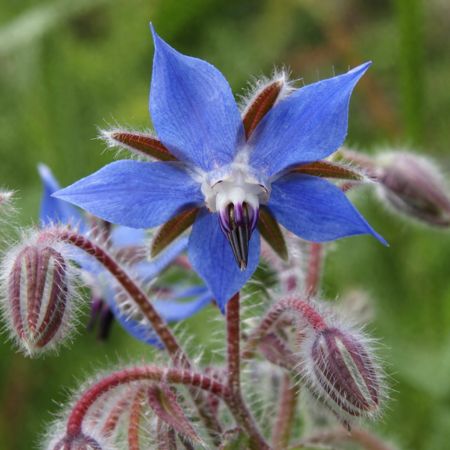
Borage is often considered one of the very best companion plants for strawberries, and for good reason. This beautiful herb produces clusters of bright blue flowers that attract a wide variety of pollinators, including bees and other beneficial insects. More pollinators visiting your garden can lead to better flower pollination and potentially larger strawberry harvests.
Beyond attracting pollinators, borage may also help repel certain garden pests that can damage strawberry plants. Many gardeners report seeing fewer pest problems when borage is planted nearby.
Another advantage is that borage is known as a dynamic accumulator, meaning its deep roots help pull nutrients from lower levels of the soil. As the plant grows and eventually decomposes, some of those nutrients become available to nearby plants.
Borage is also incredibly easy to grow and often reseeds itself, providing benefits year after year. Its attractive flowers add beauty to the garden while helping your strawberries stay healthy and productive.
2. Marigolds
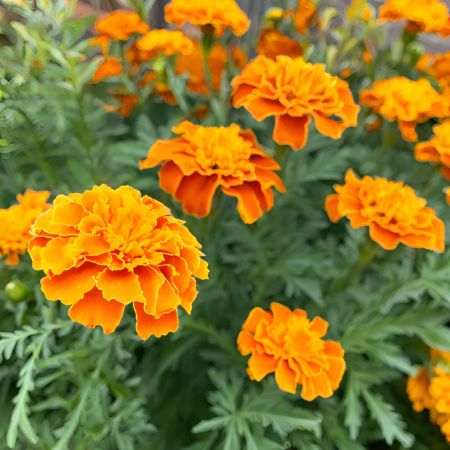
Marigolds are a classic companion plant found in many vegetable and fruit gardens. Their bright, cheerful blooms don’t just add color, they can also help protect strawberries from certain pests. Marigolds contain natural compounds that may discourage harmful insects and soil-dwelling pests, making them a popular choice for organic gardeners.
One of the biggest benefits of marigolds is their ability to attract beneficial insects. Ladybugs, hoverflies, and parasitic wasps are often drawn to marigold flowers. These helpful insects feed on pests that might otherwise damage your strawberry plants, creating a natural form of pest management.
Marigolds are also incredibly low-maintenance and thrive in many growing conditions. Their long bloom period provides continuous color and insect-attracting benefits throughout much of the growing season.
Plus, since marigolds stay relatively compact, they can easily be planted around the edges of strawberry beds without competing heavily for space.
I like using marigolds as a protective border around strawberry patches. Not only do they make the garden look beautiful, but they can also help create a healthier growing environment where strawberries can flourish with fewer pest-related issues.
3. Nasturtiums
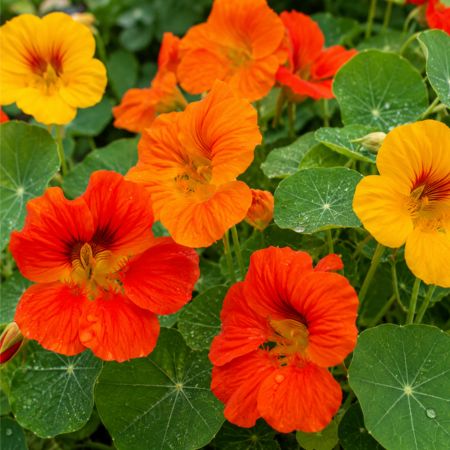
Nasturtiums are one of my favorite companion plants because they provide multiple benefits while producing gorgeous edible flowers. These colorful plants are often used as a trap crop, meaning they attract pests away from more valuable crops like strawberries.
Aphids, whiteflies, and certain beetles are often drawn to nasturtiums. By attracting these pests to themselves, nasturtiums may help reduce the pressure on nearby strawberry plants.
Many gardeners intentionally plant nasturtiums around garden beds to serve as a sacrificial plant that keeps pests occupied.
The bright flowers are also excellent at attracting pollinators. Bees, butterflies, and other beneficial insects frequently visit nasturtium blooms, helping improve pollination throughout the garden. In addition, the sprawling growth habit of nasturtiums can help shade the soil and reduce weed growth around strawberry plants.
As a bonus, both the flowers and leaves are edible and have a peppery flavor that works well in salads. Nasturtiums are easy to grow, attractive, and highly functional, making them one of the most valuable companion plants you can add to a strawberry bed.
4. Chives

Chives are a wonderful companion plant for strawberries because they combine pest-repelling properties with a compact growth habit that fits easily into almost any garden. As members of the allium family, chives produce a strong scent that can help confuse or deter certain pests that might otherwise target strawberry plants.
Many gardeners grow chives near strawberries to help discourage aphids and other unwanted insects. While no plant provides complete pest protection, the strong aroma of chives can make it harder for pests to locate their preferred host plants.
In addition to pest management benefits, chives produce attractive purple flowers that are highly appealing to pollinators. Bees love chive blossoms, and increased pollinator activity can benefit nearby strawberry flowers as well.
Plus, the plants remain relatively small and don’t compete aggressively for space, sunlight, or nutrients.
Chives are also perennial in many climates, meaning they return year after year with very little effort. I appreciate how they provide both culinary and gardening benefits. You can harvest the flavorful leaves for cooking while enjoying the protective and pollinator-attracting benefits they bring to your strawberry patch.
5. Garlic
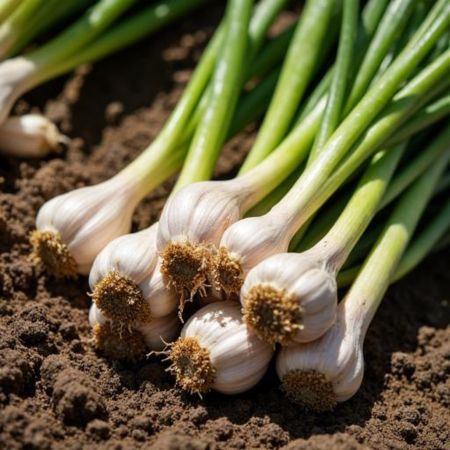
Garlic is another excellent companion plant for strawberries thanks to its strong scent and natural pest-deterring qualities. Many gardeners believe garlic helps reduce problems with insects and certain fungal issues when planted near susceptible crops.
The pungent aroma released by garlic plants can help mask the scent of strawberries, making it more difficult for some pests to locate them. This natural confusion tactic may help reduce infestations without the need for synthetic treatments.
Garlic also takes up relatively little space and can be tucked into the edges of strawberry beds without causing significant competition. Since strawberries and garlic have different root structures and growth habits, they can coexist quite well in the same garden area.
Another advantage is that garlic is harvested at a different time than strawberries in many regions, allowing you to maximize your garden space efficiently. By incorporating garlic throughout your strawberry patch, you can potentially reduce pest pressure while also growing a useful kitchen staple.
6. Onions
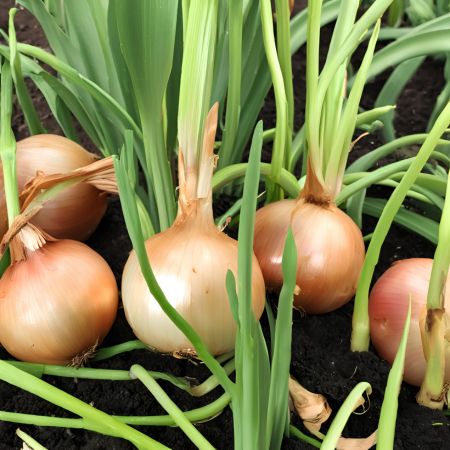
Onions belong to the same plant family as garlic and offer many of the same companion planting benefits for strawberries. Their strong scent may help deter certain insect pests while making it more difficult for harmful insects to locate nearby strawberry plants.
Since onions grow upright and have a relatively small footprint, they fit nicely into strawberry beds without crowding the plants. Their growth habit allows them to share garden space efficiently while minimizing competition for sunlight. This makes them a practical option for gardeners working with limited growing areas.
Like other alliums, onions can contribute to a more diverse garden ecosystem that discourages some common pests. While companion planting should never be viewed as a guaranteed solution to pest problems, onions can be one useful tool in an overall organic gardening strategy.
I also appreciate that onions serve a dual purpose. They provide potential benefits to strawberries while producing a valuable harvest of their own.
Whether you’re growing green onions, bunching onions, or bulb onions, they can be a smart addition to a strawberry patch. Their ease of cultivation, compact size, and pest-deterring reputation make them one of the most popular companion plants for strawberries.
7. Shallots
Shallots are excellent companion plants for strawberries because they also belong to the allium family, which is known for its strong scent and natural pest-deterring qualities. Like onions and garlic, shallots release compounds that may help confuse or discourage certain insects from finding nearby strawberry plants.
One of the biggest advantages of growing shallots alongside strawberries is their compact growth habit. They don’t spread aggressively or create excessive shade, allowing strawberries to receive the sunlight they need while still benefiting from their presence.
Shallots are relatively easy to grow and can be planted throughout a strawberry bed or along the borders. Since they mature at a different pace than strawberries, they let you make efficient use of your garden space throughout the growing season.
As an added bonus, shallots are a versatile kitchen staple. By planting them near your strawberries, you can enjoy a harvest of flavorful bulbs while potentially reducing pest pressure and creating a more diverse and resilient garden ecosystem.
8. Leeks
Leeks are another member of the allium family that pairs well with strawberries. Their mild onion-like scent may help deter certain pests while contributing to a healthier growing environment.
One reason leeks work well with strawberries is their upright growth habit. The tall, narrow leaves grow vertically rather than spreading outward, which helps prevent overcrowding. Strawberries can continue to receive plenty of sunlight while sharing space with nearby leeks.
Leeks also have a long growing season, allowing them to provide benefits throughout much of the year. Their presence can contribute to greater plant diversity in the garden, which often helps attract beneficial insects and create a more balanced ecosystem.
Another benefit is that leeks and strawberries have different harvesting schedules. This allows you to maximize productivity in your garden bed without having multiple crops competing heavily for resources at the same time.
9. Thyme

Thyme is one of the best herb companions for strawberries because it offers pest management benefits while requiring very little care. This aromatic herb produces a strong fragrance that may help mask the scent of nearby strawberry plants, making them less attractive to certain pests.
Its low-growing habit makes thyme especially useful around strawberry plants. Rather than competing for sunlight, thyme forms a living ground cover that can help suppress weeds and reduce exposed soil. This can help conserve moisture around your strawberry plants while creating a tidy, attractive garden bed.
When thyme blooms, it produces tiny flowers that are highly attractive to bees and other pollinators. Increased pollinator activity can benefit strawberries by helping ensure flowers are properly pollinated. The flowers also attract beneficial insects that may help keep pest populations in check.
I especially like thyme because it’s drought tolerant and easy to maintain. Once established, it often thrives with minimal attention.
Whether planted along pathways, tucked between strawberry plants, or used as a border around a berry patch, thyme provides beauty, functionality, and valuable companion planting benefits.
10. Sage

Sage is a fragrant perennial herb that can be a valuable companion for strawberries. Its strong aroma may help deter certain pests while adding diversity to your garden.
In addition to its pest-repelling reputation, sage produces attractive flowers that draw pollinators and beneficial insects. Bees, butterflies, and other helpful visitors are often attracted to blooming sage, creating a more active and productive garden environment. These pollinators can also visit nearby strawberry flowers, supporting fruit production.
Related: How to Start Your Very First Herb Garden
Sage grows as a compact shrub that generally coexists well with strawberries when given adequate spacing. Since it’s perennial in many regions, it can continue providing benefits year after year without needing to be replanted.
Another reason I enjoy growing sage near strawberries is its usefulness in the kitchen. Fresh sage leaves can be harvested for cooking while the plant continues contributing to the garden.
Combining edible herbs and fruit crops in the same space is a great way to create a productive and attractive garden that works with nature rather than against it.
11. Dill

Dill is a fantastic companion plant for strawberries because of its ability to attract beneficial insects. The plant produces clusters of tiny yellow flowers that serve as a food source for pollinators and predatory insects, including ladybugs, lacewings, and hoverflies. These beneficial insects help control common garden pests naturally.
By encouraging beneficial insects to spend time in your garden, dill can help create a healthier ecosystem around your strawberry plants. Ladybugs and lacewings, in particular, are known for feeding on aphids and other soft-bodied pests that can damage crops.
Dill’s airy, upright growth habit means it typically doesn’t overwhelm neighboring plants. When positioned carefully, it provides its insect-attracting benefits without creating excessive shade. It can fit nicely near the edges of strawberry beds or in nearby companion planting areas.
Beyond its gardening benefits, dill is a useful culinary herb that can be harvested throughout the growing season. Whether you’re using it in pickles, salads, or homemade dressings, dill provides value both in the garden and in the kitchen.
12. Parsley

Parsley may not be the first plant that comes to mind when thinking about companion planting, but it can be a surprisingly beneficial neighbor for strawberries. This versatile herb attracts a variety of beneficial insects when allowed to flower, including hoverflies and parasitic wasps that help manage pest populations naturally.
Its compact growth habit allows parsley to fit easily into strawberry beds without competing aggressively for sunlight or space. Since it stays relatively low to the ground, it works well alongside strawberries and can help maximize the productivity of smaller garden areas.
Parsley also contributes to plant diversity, which is an important principle of companion planting. Gardens with a wide variety of plants often experience fewer pest outbreaks than monoculture plantings because pests have a harder time locating large concentrations of their preferred host plants.
In addition to its companion planting benefits, parsley is one of the most useful culinary herbs you can grow. Fresh leaves can be harvested regularly and used in countless recipes.
13. Cilantro
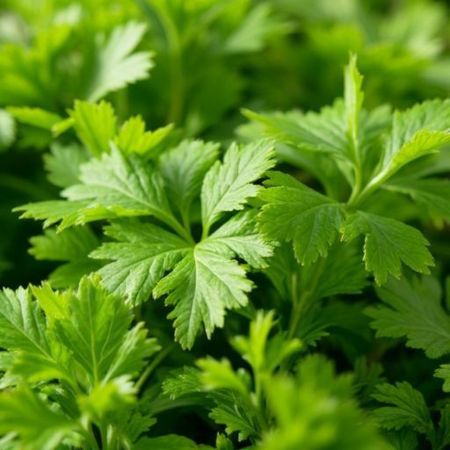
Cilantro is a surprisingly useful companion plant for strawberries because of its ability to attract beneficial insects. When allowed to flower, cilantro produces clusters of small white blooms that serve as an excellent food source for pollinators and predatory insects.
The increased presence of beneficial insects can help create a healthier garden ecosystem around your strawberry plants. Pollinators support fruit production by visiting strawberry blossoms, while predatory insects help manage populations of aphids and other common garden pests.
Cilantro also has a relatively compact growth habit that allows it to fit easily among strawberries without causing excessive competition. Since it grows quickly and can be harvested frequently, it’s a practical addition to a productive garden bed.
I especially like planting cilantro near strawberries because it provides benefits throughout multiple stages of growth. You can harvest the fresh leaves for cooking early in the season, then allow some plants to flower later to attract beneficial insects.
This dual-purpose herb helps maximize garden space while contributing to a thriving and diverse strawberry patch.
14. Spinach
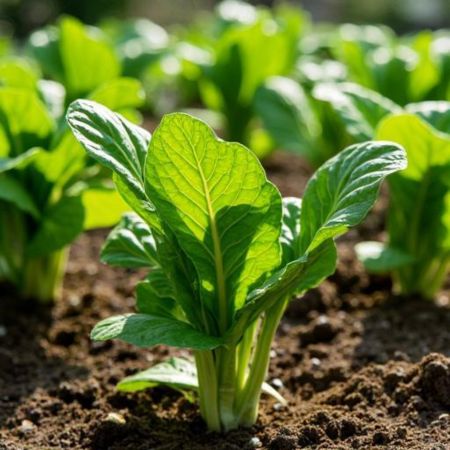
Spinach makes an excellent companion plant for strawberries because it grows low to the ground and shares similar growing preferences. Both crops appreciate fertile, well-draining soil and consistent moisture, making them easy to grow together in the same bed.
One of the biggest advantages of pairing spinach with strawberries is efficient use of garden space. Spinach grows quickly and can often be harvested before strawberry plants reach their peak production period. This allows you to get two crops from the same area without creating significant competition.
The broad leaves of spinach can also help shade the soil, reducing moisture loss and suppressing weeds. Fewer weeds mean less competition for water and nutrients, which can benefit nearby strawberry plants.
Plus, because spinach has relatively shallow roots, it generally coexists well with strawberries when provided with adequate spacing.
Another benefit is that spinach can serve as a living mulch in some situations, helping maintain soil health and reduce bare ground. For gardeners looking to maximize productivity while creating a more diverse garden ecosystem, spinach is a practical and productive companion plant for strawberries.
15. Lettuce

Lettuce is one of the easiest companion plants to grow alongside strawberries. Like strawberries, lettuce prefers cool weather, consistent moisture, and nutrient-rich soil. Because their growing requirements are so similar, they often thrive when planted together.
One reason lettuce works particularly well as a companion plant is its compact growth habit. Most lettuce varieties stay relatively low to the ground and don’t compete heavily for sunlight. This allows strawberries to continue receiving the light they need while sharing space with another edible crop.
Related: Why You Should Always Grow These Plants Near Lettuce
Lettuce can also help cover bare soil between strawberry plants. This natural ground cover may help reduce weed growth and slow moisture evaporation during warm weather. Maintaining more consistent soil moisture can be beneficial for strawberries, which prefer evenly moist growing conditions.
From a productivity standpoint, lettuce is an excellent choice because it matures quickly. You can often harvest multiple lettuce crops while your strawberries continue producing throughout the season. By combining these two crops, you can make better use of your garden space while enjoying fresh salads and homegrown berries from the same bed.
16. Bush Beans
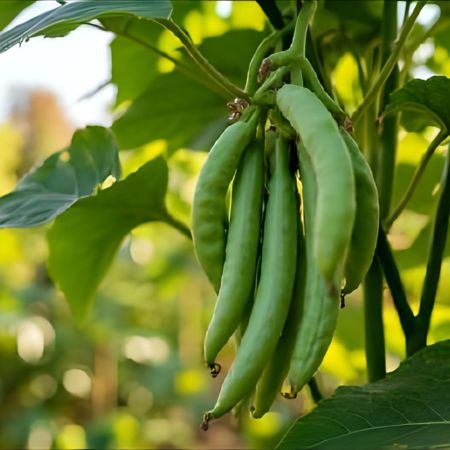
Bush beans are valuable companion plants for strawberries because they belong to the legume family. Legumes have a unique relationship with beneficial soil bacteria that allows them to capture nitrogen from the atmosphere and convert it into a form that plants can use. This process can contribute to healthier soil over time.
Unlike pole beans, bush beans stay relatively compact and don’t require large trellises that could shade strawberry plants. Their manageable size allows them to fit comfortably into mixed planting areas without overwhelming neighboring crops.
Related: Can You Grow Green Beans in an Indoor Garden?
Another advantage is that bush beans and strawberries occupy different levels of the garden. Strawberries spread along the ground while bush beans grow upright, allowing both crops to use available space efficiently.
As an added bonus, you’ll harvest two delicious crops from one garden area. This combination can be especially useful for gardeners working with limited growing space.
17. Peas
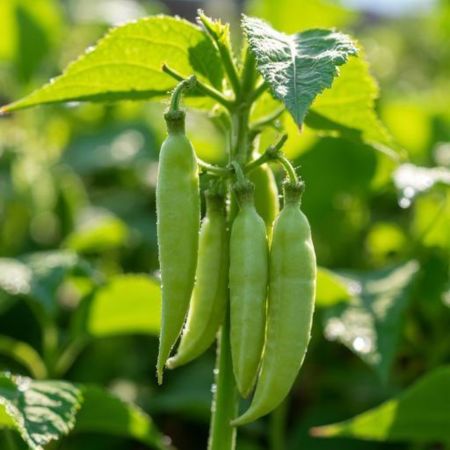
Peas are another legume that pairs exceptionally well with strawberries. Like bush beans, peas form a beneficial relationship with nitrogen-fixing bacteria that can improve soil fertility over time.
While strawberries won’t instantly receive large amounts of nitrogen, the overall improvement in soil health can benefit future plant growth.
Peas are particularly useful because they thrive during cooler weather and are often harvested before strawberries reach their peak summer growth. This seasonal timing allows gardeners to maximize productivity while minimizing competition between crops.
The flowers produced by pea plants are also attractive to pollinators. Increased pollinator activity around your garden can support strawberry production by encouraging more visits to strawberry blossoms.
Depending on the variety, peas can be grown on small supports or compact trellises that don’t interfere significantly with nearby plants.
I enjoy pairing peas with strawberries because they make excellent use of spring garden space. By the time the strawberries are fully established and producing heavily, many pea plants are nearing the end of their growing cycle. This natural timing creates a productive partnership that helps you get more from your garden.
18. Asparagus

Asparagus is often considered one of the classic companion plants for strawberries because the two crops have traditionally been grown together in many home gardens. One reason this partnership works so well is that the plants occupy different layers of the garden and generally don’t compete heavily for resources.
Strawberries grow close to the ground and spread outward through runners. On the other hand, asparagus grows upright with tall, feathery foliage.
This allows both crops to share space efficiently without blocking each other’s access to sunlight. Their different growth habits help create a productive planting arrangement.
Another benefit is that asparagus and strawberries have different peak harvest periods. Asparagus is typically harvested in spring, while strawberries often produce later in the season. This staggered schedule helps gardeners maximize productivity throughout the year.
Both plants are perennial crops, meaning they return year after year once established. Creating a bed that contains both strawberries and asparagus can provide long-term harvests with relatively little replanting.
19. Yarrow
Yarrow is one of the most beneficial companion plants you can grow alongside strawberries. This hardy perennial is well known for attracting a wide range of beneficial insects, including ladybugs, lacewings, hoverflies, and parasitic wasps. These helpful insects play an important role in controlling common garden pests naturally, helping create a healthier environment for your strawberry plants.
Yarrow’s clusters of tiny flowers provide nectar and pollen throughout much of the growing season, making it a valuable food source for pollinators and beneficial insects alike. Increased pollinator activity can also improve strawberry flower pollination, which may contribute to larger harvests.
Related: Incredibly Powerful Medicinal Herbs You Should Be Growing in Your Garden
Another advantage of yarrow is its deep root system. These roots help break up compacted soil and can improve soil structure over time. Yarrow is also drought tolerant once established, making it a low-maintenance addition to many gardens.
I love adding yarrow near strawberries because it combines beauty and function. Its colorful blooms attract wildlife, support biodiversity, and create a more balanced ecosystem. Whether planted in borders or throughout a pollinator garden near your strawberry patch, yarrow is an excellent companion plant that benefits the entire garden.
20. Calendula
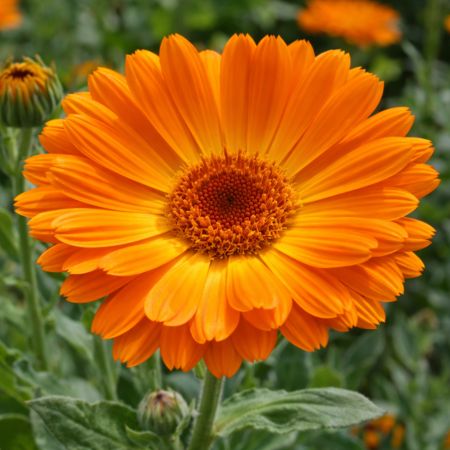
Calendula, sometimes called pot marigold, is a cheerful flowering plant that offers several benefits when grown near strawberries. Its bright orange and yellow blooms attract bees, butterflies, hoverflies, and other beneficial insects that help support a thriving garden ecosystem.
One reason calendula is such a valuable companion plant is its ability to attract predatory insects. Hoverflies and ladybugs are often drawn to the flowers and may help control aphids and other pests that can damage strawberry plants. This natural form of pest management can reduce the need for intervention while promoting a healthier garden.
Calendula also blooms for an extended period, providing a steady source of nectar and pollen throughout the growing season. This helps keep pollinators active in the area, which benefits nearby strawberry flowers.
Beyond its gardening advantages, calendula is edible and often used in herbal preparations. The flowers add beauty to garden beds while contributing to biodiversity.
21. Bee Balm
Bee balm is a fantastic companion plant for strawberries because it excels at attracting pollinators. As the name suggests, bees absolutely love its colorful blooms, but the flowers also attract butterflies, hummingbirds, and many other beneficial garden visitors.
Strawberry plants rely on pollinators to help ensure good fruit production. By planting bee balm nearby, you can encourage more pollinator activity in the garden, increasing the likelihood that strawberry blossoms receive plenty of visits. This can support healthier fruit development throughout the season.
Bee balm also contributes to overall biodiversity. Gardens that contain a variety of flowering plants tend to attract a broader range of beneficial insects and wildlife. This diversity often helps create a more balanced ecosystem that is naturally more resilient to pest problems.
In addition to its practical benefits, bee balm is a beautiful perennial that produces vibrant flowers in shades of red, pink, purple, and white. Its long blooming period keeps pollinators coming back throughout the growing season.
22. Lavender

Lavender is a popular companion plant for strawberries thanks to its fragrant flowers and ability to attract beneficial insects. The plant produces abundant blooms that are highly attractive to bees and other pollinators, making it a valuable addition to any fruit garden.
The strong scent of lavender may also help discourage certain pests from lingering near your strawberry patch.
Related: Natural Ways to Fall Asleep Fast Without Using Medication
One of lavender’s greatest strengths is its ability to thrive with relatively little maintenance once established. Its compact, shrubby growth habit works well along the edges of strawberry beds, where it can provide beauty without significantly competing for space.
I especially enjoy growing lavender near edible crops because it serves multiple purposes. The flowers support pollinators, the fragrance enhances the garden experience, and the harvested blooms can be used in crafts, sachets, and herbal projects. Combined with its ornamental value and companion planting benefits, lavender is an excellent choice for strawberry gardens.
23. Chamomile

Chamomile is a gentle yet hardworking companion plant that offers several benefits for strawberries. This daisy-like herb attracts pollinators and beneficial insects with its small, nectar-rich flowers.
One reason gardeners appreciate chamomile is its ability to increase biodiversity. A garden filled with a variety of flowering plants tends to support a wider range of beneficial insects, which can help maintain a healthier ecosystem overall.
Chamomile’s delicate growth habit allows it to fit easily among strawberry plants without creating excessive competition. It also adds visual interest to the garden with its cheerful white flowers and fern-like foliage.
Another advantage is that chamomile is useful beyond the garden. The flowers can be harvested and dried for herbal tea or other homemade products. By planting chamomile near strawberries, you can enjoy the beauty of the blooms, support pollinators, and harvest a useful herb all from the same garden space.
24. Catnip

Catnip is often overlooked as a companion plant, but it can be surprisingly helpful when grown near strawberries. As a member of the mint family, catnip produces a strong aroma that may help deter certain garden pests. Its fragrant leaves can contribute to a more diverse planting environment where pests have a harder time locating specific crops.
In addition to its aromatic properties, catnip produces attractive flowers that draw bees and other pollinators. Increased pollinator activity can benefit nearby strawberry plants by encouraging visits to strawberry blossoms during the flowering period.
Catnip is generally easy to grow and can thrive in a wide range of conditions. However, it can spread aggressively in some gardens, so many gardeners prefer to grow it in containers placed near strawberry beds rather than directly among the plants.
Of course, catnip also offers entertainment for neighborhood cats, which often enjoy rolling in and interacting with the plant. Whether grown for its pest-deterring qualities, pollinator support, or feline appeal, catnip can be a valuable addition to a companion planting strategy for strawberries.
25. White Clover
White clover is one of the most beneficial living mulches you can grow around strawberries. As a legume, it forms a partnership with nitrogen-fixing bacteria that helps improve soil fertility over time. This natural process can contribute to healthier soil and support long-term garden productivity.
One of white clover’s biggest advantages is its low-growing habit. It spreads across the soil surface, helping suppress weeds and reduce moisture loss. This living ground cover can help keep the soil around strawberry plants cooler and more evenly moist during warm weather.
The small white flowers produced by clover are also highly attractive to bees and other pollinators. More pollinators visiting the garden can benefit strawberry flowers and contribute to improved fruit production.
White clover is especially useful in sustainable and low-maintenance gardens because it reduces the amount of bare soil exposed to the elements. This can help minimize erosion and improve soil health over time.
The Worst Companion Plants for Strawberries

While there are a lot of different crops that make successful companion plantings with strawberries, there are also some that you should avoid planting nearby because they can have negative effects. It’s a good idea to keep these plants separated from your strawberry plants.
Nightshades (Tomatoes, Peppers, Potatoes, and Eggplant)

Nightshades are generally considered poor companion plants for strawberries because they can increase the risk of disease problems in the garden. Many nightshade crops are susceptible to fungal diseases such as verticillium wilt, a soil-borne disease that can also affect strawberry plants.
If the disease is present in the soil, growing these crops close together may increase the chances of it spreading or persisting in the garden.
These plants can also be heavy feeders, requiring significant amounts of nutrients to produce healthy harvests. When grown too close to strawberries, they may compete for valuable resources such as water and nutrients.
To reduce disease risks and competition, it’s usually best to plant tomatoes, peppers, potatoes, and eggplant in a separate area of the garden and practice proper crop rotation whenever possible.
Cucurbits (Cucumbers, Melons, and Squash)

Cucurbits are not ideal companions for strawberries because of their vigorous growth habits and tendency to spread. Many cucumber, melon, and squash varieties produce long vines that can quickly overtake nearby plants, crowding strawberry beds and limiting airflow around the foliage.
Poor airflow can create damp conditions that encourage fungal diseases, which strawberries are particularly vulnerable to. In addition, large cucurbit leaves can shade strawberry plants, reducing the sunlight they receive.
Since strawberries need plenty of sun to produce their best harvest, excessive shading can negatively impact growth and fruit production.
Cucurbits are also heavy feeders that require substantial water and nutrients throughout the growing season. This can create competition with strawberries, especially in smaller garden spaces where resources are limited.
Brassicas (Kale, Cabbage, Collards, and Broccoli)
Brassicas are often listed among the worst companion plants for strawberries because they can compete for nutrients and growing space. Crops such as kale, cabbage, collards, and broccoli are heavy feeders that need rich soil to support their rapid growth and large leafy structures.
Many brassicas also develop extensive root systems that can compete with nearby strawberries for moisture and nutrients. This competition may leave strawberry plants with fewer resources available for producing healthy foliage and fruit.
Another concern is spacing. Mature brassicas can become quite large and may crowd strawberry plants, reducing airflow and creating a more humid environment. Limited airflow can increase the likelihood of fungal diseases developing in the strawberry patch.
While both strawberries and brassicas can be productive garden crops, they generally perform better when grown in separate areas where each plant has enough room and resources to thrive.
Grow a Healthier Strawberry Patch With Companion Planting
Choosing the right companion plants can make a big difference in the health and productivity of your strawberry patch. From pollinator favorites like borage, lavender, and bee balm to pest-deterring alliums such as garlic, onions, and chives, the right plant combinations can help create a more balanced and resilient garden. Companion planting can also improve biodiversity, support beneficial insects, suppress weeds, and make better use of your growing space.
At the same time, it’s important to avoid plants that may compete heavily with strawberries or increase the risk of disease problems. Keeping crops like tomatoes, potatoes, cucumbers, and cabbage family plants separate from your strawberries can help reduce potential issues and give your berry plants the best chance to thrive.
Remember that every garden is unique, and companion planting works best when combined with other good gardening practices such as proper spacing, healthy soil, mulching, and regular watering. By thoughtfully choosing the plants that grow alongside your strawberries, you can create a healthier garden ecosystem and enjoy sweeter, more abundant harvests season after season.