Homesteading Goals for Beginners
Get Your Dreams Started With These Homesteading Goals for Beginners
If you’ve been dreaming about growing your own food, raising a few backyard chickens, or becoming a little more self-sufficient, setting homesteading goals for beginners is one of the best places to start. Instead of trying to do everything at once, focusing on a few simple, achievable goals can help you build confidence and create a homestead that fits your lifestyle.
When I first started learning about homesteading, I quickly realized there was always another skill to master or project to tackle. It was easy to feel inspired one minute and completely overwhelmed the next.
The good news is that you don’t need acres of land, a barn full of animals, or years of experience to begin. Every successful homesteader starts with a single step.
In this guide, I’ll share some practical homesteading goals for beginners that will help you build useful skills, save money, and become more self-reliant over time. Whether you have a large rural property or a small suburban backyard, these beginner-friendly goals will help you create a realistic plan and enjoy the journey without feeling overwhelmed.
1. Grow Your First Vegetable Garden

Starting a vegetable garden is one of the most rewarding homesteading goals you can set. There’s something incredibly satisfying about walking outside, picking fresh vegetables, and knowing you grew them yourself.
The best part is that you don’t need a large backyard or years of gardening experience to get started. A few raised beds, containers on a patio, or even a sunny corner of your yard can produce an impressive amount of food.
When you’re first starting out, keep your garden small. It’s tempting to plant every vegetable you’ve ever wanted to grow, but taking on too much often leads to frustration.
Related: The All-in-One Planner You Need to Start a Successful Garden
Instead, choose a handful of beginner-friendly crops like lettuce, green beans, tomatoes, radishes, zucchini, or peppers. Herbs such as basil, parsley, and chives are also excellent choices because they’re easy to grow and you’ll use them regularly in the kitchen.
As you gain confidence, you’ll naturally learn valuable skills like preparing soil, watering properly, identifying pests, and harvesting at the right time. Don’t worry if every plant doesn’t thrive. Each season teaches you something new, and even experienced gardeners have crops that don’t perform as expected.
Remember, the goal isn’t to grow all of your food overnight. It’s to build experience one harvest at a time. Every tomato you pick and every handful of lettuce you harvest brings you one step closer to becoming more self-sufficient while helping you appreciate just how rewarding homesteading can be.
2. Keep a Homesteading Journal

One of the most valuable tools on your homesteading journey doesn’t require electricity, expensive equipment, or a lot of space. A simple journal can help you track your progress, learn from your experiences, and become a better homesteader with each passing season.
If you’re in need of a homestead journal, check out this printable homestead planner. It lets you record everything from what you planted and when you planted it to livestock health, pest problems, harvest dates, compost successes, food preservation projects, and more. If something worked particularly well (or didn’t) you’ll have a record to guide your decisions next year.
A homesteading journal is also a wonderful place to keep track of your goals. You can write down the new skills you want to learn, projects you’d like to tackle, and milestones you’ve already accomplished. Looking back through your journal after a year can be incredibly encouraging because it reminds you of just how far you’ve come.
Don’t feel pressured to make your journal perfect. It doesn’t have to be beautifully organized or filled with elaborate drawings. A few simple notes after a day in the garden are often more valuable than pages of perfectly formatted plans.
Over time, your journal will become a personalized reference guide that’s tailored specifically to your homestead. More importantly, it will tell the story of your journey from beginner to experienced homesteader.
3. Learn How to Compost

Composting is one of those homesteading habits that pays off year after year. Instead of throwing away fruit peels, vegetable scraps, coffee grounds, eggshells, and yard waste, you can transform them into nutrient-rich compost that helps your garden thrive.
It’s a simple way to reduce household waste while creating one of the best soil amendments available, and it’s completely free.
Many beginners assume composting is difficult or messy, but it doesn’t have to be. A simple compost bin or pile in the backyard is often all you need.
Related: How to Compost in an Apartment
As you add “green” materials like kitchen scraps and grass clippings along with “brown” materials such as dry leaves, shredded cardboard, or small twigs, nature does the rest. With a little patience, microorganisms break everything down into dark, crumbly compost that’s packed with nutrients.
One of the things I love most about composting is how it changes the way you look at everyday waste. Instead of seeing banana peels or autumn leaves as garbage, you begin to see them as valuable resources that can feed next year’s garden.
If you’re just getting started, don’t worry about creating the perfect compost pile. Learning what can and can’t be composted is enough for your first season.
As you gain experience, you’ll discover what works best in your climate and garden. Before long, you’ll have a steady supply of homemade compost that improves your soil, supports healthier plants, and helps you rely less on store-bought fertilizers.
4. Preserve Your First Harvest
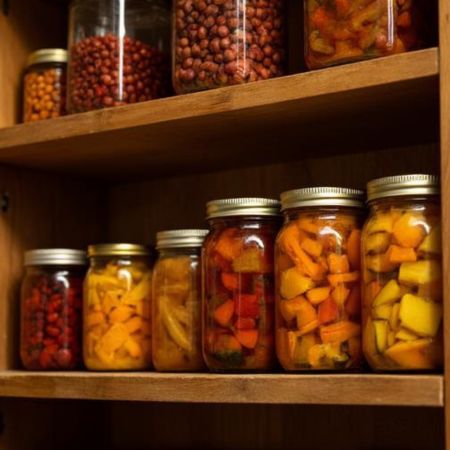
Growing your own food is exciting, but learning how to preserve it is what truly takes your homesteading journey to the next level. Food preservation allows you to enjoy the fruits of your labor long after the growing season ends, helping to reduce food waste while filling your pantry and freezer with homemade foods.
If you’ve never preserved food before, start with the easiest methods. Freezing vegetables, herbs, or berries is incredibly beginner-friendly and requires very little equipment. Dehydrating herbs, apple slices, or tomatoes is another simple option that extends their shelf life.
Once you’re comfortable, you might decide to learn water bath canning for jams, jellies, pickles, or tomato products.
Don’t feel like you need an entire pantry lined with dozens of mason jars your first year. Even preserving a few bags of frozen vegetables or a handful of jars of homemade jam is a wonderful accomplishment. Every batch helps you build confidence while teaching valuable food preservation skills.
One of the biggest rewards is opening something you preserved months earlier. Whether it’s homemade spaghetti sauce in the middle of winter or frozen strawberries for a smoothie, you’ll be reminded of the work you put into growing your own food.
Like every homesteading skill, food preservation becomes easier with practice. Start small, follow safe preservation methods, and celebrate each success. Before long, you’ll be stocking your pantry with foods you grew and preserved yourself.
5. Start an Herb Garden
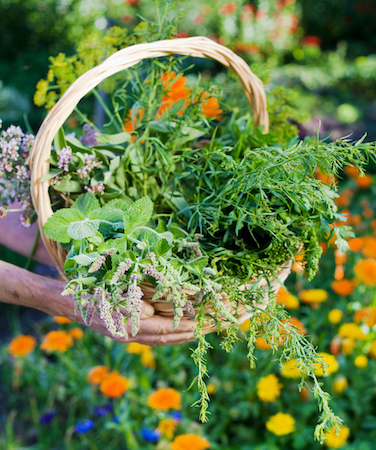
If you’re looking for an easy way to begin homesteading, planting an herb garden is hard to beat. Herbs are some of the simplest and most rewarding plants to grow, making them perfect for beginners.
Many thrive in containers, raised beds, small garden spaces, and even indoors, so you don’t need a large yard to enjoy fresh herbs throughout the growing season.
Start with herbs you already use in your kitchen. Basil, parsley, thyme, oregano, rosemary, dill, and chives are all excellent choices because they’re versatile, relatively easy to grow, and can save you money on grocery bills. Fresh herbs often cost several dollars per package at the store, but one healthy plant can provide harvest after harvest.
An herb garden also opens the door to learning new homesteading skills. You can dry herbs for your spice cabinet, create homemade seasoning blends, brew herbal teas, or even experiment with simple herbal-infused oils and vinegars.
If you’re interested in natural living, many herbs also have a long history of traditional use in homemade remedies, salves, and skincare products.
One thing I especially love about growing herbs is how forgiving many of them are. Even if you make a few mistakes along the way, most herbs bounce back quickly and continue producing for months.
As your confidence grows, you can gradually expand your herb collection each season. Before you know it, you’ll have a beautiful garden that’s not only practical but also fills your yard with wonderful fragrance and attracts beneficial pollinators.
6. Reduce Household Waste

One of the easiest homesteading goals doesn’t involve planting a single seed. Reducing household waste is a practical way to become more self-sufficient while saving money and making better use of the resources you already have.
In many ways, this mindset is at the heart of homesteading. It includes using what you have, wasting less, and finding simple solutions instead of constantly buying more.
Start by taking a look at the things your household throws away most often. Food scraps can often be composted instead of tossed in the trash. Glass jars can be washed and reused for pantry storage or food preservation. Cardboard boxes can become weed barriers in the garden or be added to your compost pile. Even worn-out clothing and towels can often be repurposed as cleaning rags before they’re discarded.
Small changes also add up over time. Switching to reusable shopping bags, cloth napkins, refillable water bottles, and reusable food storage containers can significantly reduce the amount of disposable waste your family produces each week.
The goal isn’t to create a perfectly zero-waste home overnight. Instead, focus on making one sustainable swap at a time.
As you develop the habit of asking, “Can I reuse this?” or “Is there another purpose for this item?” you’ll naturally become more resourceful.
Over time, you’ll likely find that reducing waste not only benefits the environment but also helps stretch your budget and encourages the creative problem-solving that makes homesteading so rewarding.
7. Learn One New Homesteading Skill Each Month

One of the biggest misconceptions about homesteading is that you have to know everything before you begin. The truth is that even experienced homesteaders are constantly learning.
That’s why one of the best goals you can set is to learn just one new homesteading skill each month. Breaking it down into manageable pieces makes the journey far less overwhelming and gives you something exciting to look forward to throughout the year.
The possibilities are nearly endless. You might learn how to bake homemade bread one month, try water bath canning the next, or practice sewing a simple repair instead of replacing worn clothing.
Other worthwhile skills include fermenting vegetables, making yogurt, sharpening garden tools, starting seeds indoors, making homemade cleaning products, or learning basic woodworking projects.
Don’t worry about mastering every skill immediately. The goal is simply to become a little more capable each month. Even if your first loaf of bread isn’t perfect or your first sewing project turns out a little crooked, you’ve gained valuable experience that will make the next attempt easier.
One thing I’ve learned is that homesteading isn’t about perfection, it’s about progress. Every new skill gives you a little more confidence and a little more independence. Before long, you’ll look back and realize just how much you’ve learned without ever feeling like you had to tackle everything at once.
As your collection of skills grows, so does your ability to rely on yourself instead of always depending on store-bought products or outside services. Those small monthly improvements can lead to big changes over the course of a year.
8. Collect Rainwater for the Garden

Water is one of the most valuable resources on any homestead, so learning how to use it wisely is a great beginner goal. Collecting rainwater allows you to make use of something nature provides for free while reducing the amount of treated tap water you use to care for your garden. Even a single rain barrel can make a noticeable difference during dry periods.
Many rain barrels are designed to connect directly to your home’s downspouts, making them surprisingly easy to install. After a good rainfall, you’ll have a supply of water ready for flower beds, vegetable gardens, trees, and shrubs. It’s a simple project that can help lower your water bill while making your garden a little more resilient during hot summer weather.
Before setting up a rain collection system, be sure to check your local regulations. While rainwater harvesting is encouraged in many areas, some locations have specific guidelines about how it can be collected and used.
If installing a full rain barrel feels like too much at first, that’s perfectly okay. The goal is simply to become more mindful about water conservation.
You might begin by watering early in the morning to reduce evaporation, using mulch to help soil retain moisture, or choosing drought-tolerant plants that require less irrigation.
Over time, small changes like these can make your homestead more sustainable and efficient. Learning to appreciate and conserve natural resources is one of those habits that often become second nature as you continue your homesteading journey.
9. Cook More Meals From Scratch

Cooking from scratch is one of the simplest ways to embrace the homesteading lifestyle, even if you don’t have a garden or livestock yet. Preparing your own meals gives you more control over the ingredients you use, often saves money, and helps reduce the amount of processed food and single-use packaging that comes into your home.
The good news is that you don’t have to start making every meal from scratch overnight. Instead, choose one or two items you regularly buy and learn to make them yourself.
Homemade bread, soup, pasta sauce, salad dressing, yogurt, granola, tortillas, or chicken broth are all excellent places to begin. As your confidence grows, you can gradually add more homemade staples to your weekly routine.
Related: 100+ Vegetarian Recipes Everyone in Your Family Will Love
Cooking from scratch also pairs beautifully with other homesteading goals. Fresh herbs from your garden, vegetables you’ve harvested yourself, or food you’ve preserved from last season all become ingredients in meals that are both satisfying and deeply rewarding.
Plus, over time, you’ll likely discover that homemade versions often taste better than store-bought alternatives. More importantly, you’ll gain confidence in the kitchen and take another meaningful step toward becoming more self-sufficient.
10. Create a Seasonal Homestead Routine
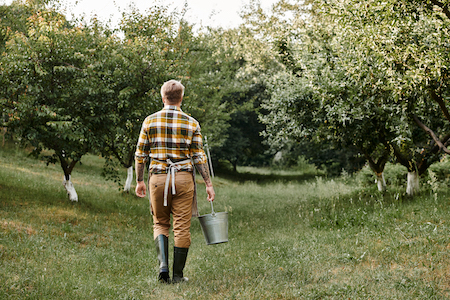
Homesteading has a natural rhythm that changes with the seasons. Spring is filled with planting, summer focuses on tending the garden, fall often brings harvesting and preserving, and winter is the perfect time for planning and learning new skills. Creating a seasonal routine helps you stay organized and makes the entire lifestyle feel much more manageable.
Instead of trying to remember everything as the year unfolds, spend a little time mapping out your seasonal priorities. In early spring, you might start seeds indoors, prepare garden beds, and clean your tools.
Summer may include watering, weeding, harvesting, and preserving fresh produce. Fall often becomes the season for planting cool-weather crops, composting leaves, and storing supplies for winter.
Having a simple checklist for each season can also help reduce stress. Rather than wondering what needs to be done next, you’ll have a clear plan to guide you through the year. This is especially helpful if you’re juggling homesteading alongside work, family, or other responsibilities.
Keep in mind that your routine doesn’t need to look like anyone else’s. Every homestead is different, and your schedule should reflect your climate, available space, and personal goals.
As each season passes, you’ll naturally refine your routine based on what worked well and what you’d like to improve. Before long, you’ll begin anticipating the changing seasons and enjoying the steady rhythm that makes homesteading such a fulfilling way of life.
Every Small Step Brings You Closer to Your Homesteading Dreams

Starting a homestead doesn’t require acres of land, expensive equipment, or years of experience. It simply begins with a willingness to learn and the commitment to take one small step at a time. By choosing a few realistic homesteading goals for beginners, you’ll gradually build the skills and confidence needed to create a more self-sufficient lifestyle without feeling overwhelmed.
Remember, there’s no “right” way to homestead. Your journey will look different from someone else’s, and that’s perfectly okay. Whether your first goal is planting a small vegetable garden, learning to bake bread from scratch, composting your kitchen scraps, or preserving your first harvest, every accomplishment is something to celebrate.
The most important thing is to start where you are with the resources you have. As each season passes, you’ll gain experience, discover what works best for your home, and develop new skills that make homesteading even more rewarding. Before long, those small beginner goals will have grown into lifelong habits that help you save money, reduce waste, and enjoy a deeper connection with the food you eat and the world around you.