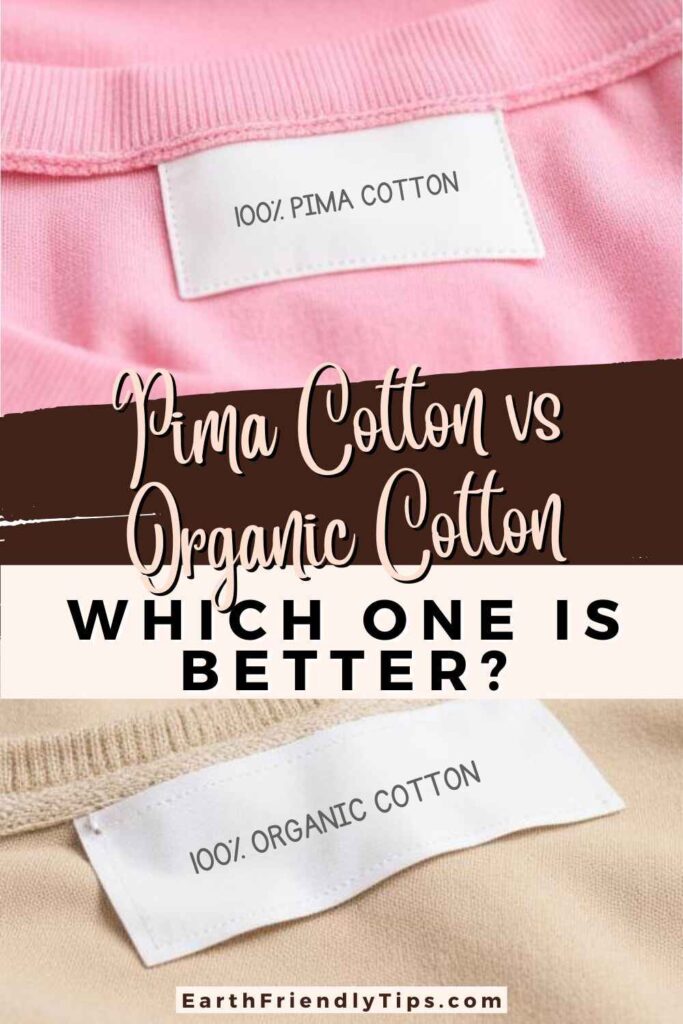
Pima Cotton vs Organic Cotton: What’s the Difference
What’s the Difference Between Pima Cotton vs Organic Cotton
If you’ve ever stood in the bedding or clothing aisle staring at tags that say Pima cotton or organic cotton and wondered what the real difference is, you’re not alone. The debate around Pima cotton vs organic cotton comes up all the time in sustainable living circles, and it can feel very confusing.
One sounds luxurious and the other sounds eco-friendly. Yet which one actually aligns with your values?
That’s exactly what we’re digging into here. In this post, I’m breaking down what Pima cotton and organic cotton really are, how they’re grown, how they feel, and what their environmental impacts look like in everyday life.
By the end, you’ll feel confident choosing the option that makes the most sense for your home, your skin, and your commitment to living more sustainably.
What Is Pima Cotton?
Pima cotton is often marketed as a luxury cotton, and for good reason. It’s a type of extra-long staple cotton, which means the fibers are longer, smoother, and stronger than regular cotton.
This gives Pima cotton its signature soft feel and slightly silky texture that many people love for sheets, towels, and clothing.
Most authentic Pima cotton is grown in the United States, primarily in warm regions like California, Arizona, Texas, and New Mexico. The long growing season and controlled irrigation help produce consistent, high-quality fibers.
Related: Is Bamboo Fabric Actually Eco-Friendly? What You Need to Know!
You may also see labels like “Supima,” which is a trademark used only for American-grown Pima cotton that meets strict quality standards.
From a durability standpoint, Pima cotton really shines. The longer fibers twist together more tightly, which reduces fraying, pilling, and thinning over time. If you’ve ever owned sheets that stayed smooth and intact for years, there’s a good chance they were made from Pima cotton.
However, it’s important to know that Pima cotton is not automatically eco-friendly. It can still be grown using conventional farming methods that rely on synthetic pesticides, fertilizers, and significant water use.
While it feels luxurious and lasts longer, those benefits don’t always translate to sustainability unless additional standards are met. Understanding this distinction helps you decide if softness alone is enough, or if growing practices matter more to you.
What Is Organic Cotton?

Organic cotton is defined by how it is grown, not by fiber length or softness. To be considered organic, the cotton must be grown without synthetic pesticides, herbicides, genetically modified seeds, or chemical fertilizers.
Instead, farmers rely on natural pest control methods, crop rotation, composting, and healthy soil practices.
One of the biggest benefits of organic cotton is its reduced environmental impact. Conventional cotton farming is one of the most chemical-intensive agricultural systems in the world. Organic cotton avoids many of those toxic inputs, which helps protect soil health, waterways, farmworkers, and surrounding ecosystems.
Related: What Exactly Is Modal Fabric and Is it Eco-Friendly?
Organic cotton is also gentler on your skin. Since it’s processed with fewer harsh chemicals, it’s often recommended for people with sensitive skin, eczema, or allergies. If you’ve ever reacted to certain fabrics or finishes, switching to organic cotton can make a noticeable difference.
That said, organic cotton isn’t always as soft or durable as Pima cotton, especially when it’s made from shorter fibers.
Texture can vary depending on the brand, weave, and finishing process. Over time, organic cotton products may show wear sooner than long-staple cotton options.
Still, for many eco-conscious households, organic cotton feels like an easy win. You’re choosing a material that prioritizes health, sustainability, and responsible farming, even if it means sacrificing a bit of that ultra-luxurious feel.
Pima Cotton vs Organic Cotton: How They Are Grown

The biggest difference between Pima cotton vs organic cotton comes down to farming practices. Pima cotton refers to the type of cotton plant and fiber length, while organic cotton refers to how the cotton is grown and processed.
Pima cotton can be grown conventionally, meaning it may involve synthetic pesticides, herbicides, and fertilizers. These chemicals help increase yield and protect crops, but they can harm soil health, pollinators, and nearby water systems. Water use is another concern, as Pima cotton often relies on irrigation, especially in arid regions.
Organic cotton takes a very different approach. Farmers use non-GMO seeds and focus on building healthy soil through crop rotation and composting. Natural pest management methods replace chemical sprays, which helps preserve biodiversity and reduces toxic runoff.
From a sustainability perspective, organic cotton clearly has the advantage in farming methods. However, yields are often lower, which can make organic cotton more expensive and less widely available.
Pima cotton, while less eco-friendly at the farm level, produces strong fibers that last longer, potentially reducing replacement frequency.
When choosing between the two, it helps to think beyond a single factor. Do you value reduced chemical use and ecosystem protection more, or are durability and longevity your top priorities? Understanding how each type is grown gives you the clarity to align your purchase with your values.
Feel and Durability: Which Cotton Lasts Longer?
If softness is your top priority, Pima cotton usually wins. Thanks to its extra-long fibers, Pima cotton feels smoother, silkier, and more luxurious right out of the package. It also resists pilling and thinning better than shorter-staple cotton, which means it often looks and feels new for years.
Durability is where Pima cotton really stands out. The long fibers create stronger yarns that can handle repeated washing without breaking down as quickly. This makes Pima cotton a popular choice for bedding and clothing that sees frequent use.
Organic cotton can vary widely in feel and durability. Some organic cotton products feel incredibly soft, especially if they’re made from high-quality fibers and woven well. Others may feel more textured or stiff at first, though they often soften with washing.
Related: Tencel vs Polyester-Which Fabric Is More Eco-Friendly?
In terms of longevity, organic cotton made from shorter fibers may wear out faster, especially in high-friction areas like fitted sheets or clothing seams. That doesn’t necessarily mean organic cotton is low quality, just that fiber length matters.
From a sustainability lens, durability matters too. A product that lasts longer may reduce waste over time, even if its farming practices were less ideal. This is where the decision becomes personal.
You may choose ultra-durable Pima cotton for items you want to keep for years, and organic cotton for items where chemical exposure is your biggest concern.
Environmental Impact of Pima Cotton
Pima cotton’s environmental impact depends heavily on how it’s grown. When produced conventionally, it shares many of the same issues as regular cotton farming. This includes heavy water use, chemical fertilizers, and pesticides that can degrade soil and pollute waterways.
Since Pima cotton is often grown in dry regions, irrigation is a major concern. Water-intensive farming in drought-prone areas can strain local water supplies and ecosystems. While some farms use more efficient irrigation methods, this isn’t guaranteed unless the brand is transparent about its sourcing.
On the positive side, Pima cotton’s durability can be an indirect environmental benefit. Products that last longer don’t need to be replaced as often, which can reduce resource use over time. A set of sheets that lasts ten years instead of three can have a smaller overall footprint.
Plus, some brands are now offering Pima cotton grown with more responsible practices, including reduced chemical use or certifications that support better labor standards. While these options are harder to find, they do exist.
If you’re drawn to Pima cotton for its feel and longevity, look for transparency and third-party certifications to help offset some environmental concerns. It may not be the most eco-friendly cotton by default, but mindful sourcing can make a meaningful difference.
Environmental Impact of Organic Cotton
Organic cotton is widely considered the more environmentally friendly option, especially at the farming stage. By avoiding synthetic pesticides and fertilizers, organic cotton farming helps protect soil health, groundwater, and surrounding wildlife.
Healthy soil plays a huge role in sustainability. Organic farming methods increase soil organic matter, which improves water retention and reduces erosion. This can make organic cotton farms more resilient to drought and extreme weather over time.
Another major benefit is reduced chemical exposure. Conventional cotton farming uses a significant percentage of the world’s insecticides. Organic cotton eliminates those chemicals, protecting farmworkers and nearby communities.
That said, organic cotton isn’t perfect. Yields are often lower, meaning more land may be needed to produce the same amount of cotton. Processing and transportation still require energy, and not all organic cotton is produced locally.
Even with these limitations, organic cotton remains a strong choice for eco-conscious consumers. When paired with responsible manufacturing and long-lasting design, it aligns well with a low-tox, sustainable lifestyle.
Is Pima Cotton Non-Toxic?
Pima cotton itself is a natural fiber, but that doesn’t automatically make it non-toxic. The biggest concern comes from how it is grown and processed. Conventionally grown Pima cotton may be exposed to pesticides and chemical fertilizers during farming.
Processing also matters. Bleaching, dyeing, and finishing treatments can introduce additional chemicals that may irritate sensitive skin. Even high-end sheets can contain residues if they’re not carefully manufactured.
If non-toxicity is important to you, look beyond the word “Pima.” Certifications like OEKO-TEX or GOTS indicate that the finished product has been tested for harmful substances. These labels provide more reassurance than fiber type alone.
Some brands combine Pima cotton with low-tox processing methods, but it requires a bit of label reading. Without certifications, it’s hard to know what chemicals were involved.
In short, Pima cotton can be non-toxic, but it’s not guaranteed. Transparency and third-party testing make all the difference.
Is Organic Cotton Better for Sensitive Skin?
For many people, yes organic cotton is better for sensitive skin. Organic cotton often avoids harsh agricultural chemicals and typically uses gentler processing methods. This can reduce the risk of irritation, itching, or allergic reactions.
If you or someone in your home deals with eczema, rashes, or chemical sensitivities, organic cotton is often a safer bet. Babies and children especially benefit from fabrics with fewer chemical residues.
Related: The Absolute Best Non-Toxic Laundry Detergent for Babies
That said, not all organic cotton products are created equal. Dyes, finishes, and fabric treatments still matter. Undyed or naturally dyed organic cotton is usually the gentlest option.
Comfort also plays a role. While organic cotton may not always feel as silky as Pima cotton, many people find it breathable and comfortable, especially in warm climates.
If skin health is a top priority, organic cotton paired with reputable certifications offers peace of mind that’s hard to beat.
Cost Comparison: Why Pima Cotton Is More Expensive
Pima cotton is typically more expensive because of its fiber quality and limited supply. The extra-long staple fibers require specific growing conditions and careful harvesting, which increases production costs.
Organic cotton can also be pricey, but for different reasons. Lower yields, labor-intensive farming methods, and certification costs all contribute to higher prices.
In many cases, Pima cotton products cost more upfront, while organic cotton pricing varies widely depending on brand and certification level.
Cost often reflects what you are paying for. With Pima cotton, you’re paying for softness and durability. With organic cotton, you’re paying for safer farming practices and reduced chemical exposure.
Understanding what drives the price helps you decide where your money makes the most impact.
Certifications to Look For When Buying Cotton Products

Certifications are one of the best tools you have as a conscious consumer. They provide third-party verification that a product meets specific environmental or safety standards.
GOTS is the gold standard for organic cotton, covering everything from farming to processing. OEKO-TEX focuses on chemical safety in finished products. Supima verifies authentic American-grown Pima cotton.
Fair Trade certifications add another layer by addressing labor practices and worker conditions.
Looking for at least one credible certification can help you avoid greenwashing and make more informed choices.
Which Is More Sustainable for Everyday Use?
There’s no single right answer in the sustainable debate between Pima cotton vs organic cotton. Organic cotton wins on farming practices and reduced toxicity. However, Pima cotton wins on durability and longevity.
For everyday use, sustainability may look like a balance. Choosing organic cotton for items close to your skin and Pima cotton for items you want to last for years can be a practical approach.
Your lifestyle, budget, and values all play a role. Sustainability is rarely about perfection. Instead, it’s more about thoughtful choices.
To choose the best option for your home and values, start by asking what matters most to you. Is it softness, longevity, non-toxicity, or environmental impact?
Read labels carefully, look for certifications, and don’t be afraid to mix and match based on use. Sustainable living is all about progress.
When you understand the real differences between Pima cotton vs organic cotton, choosing becomes much easier and far more intentional.
Final Thoughts on Pima Cotton vs Organic Cotton
When it comes to choosing between Pima cotton and organic cotton, there’s no one-size-fits-all answer, and that’s completely okay.
Pima cotton offers incredible softness and long-lasting durability, which can be a smart choice for items you want to use and love for years. Organic cotton, on the other hand, shines when it comes to reduced chemical exposure, healthier farming practices, and peace of mind for sensitive skin and eco-conscious households.
The key is understanding what each option truly represents, not just what the label suggests. Once you know the difference between fiber quality and growing methods, you can make choices that actually align with your values instead of relying on marketing claims.
For many of us, the most sustainable approach is a thoughtful mix of both, choosing organic cotton where non-toxicity matters most and investing in durable Pima cotton where longevity can help reduce waste over time.
Sustainable living isn’t about being perfect. It’s about being informed and intentional. By learning how Pima cotton vs organic cotton compares in real-life use, you’re taking another meaningful step toward creating a healthier, more conscious home that works for you and the planet.