
The Best Companion Plants for Healthier Peppers
Grow Healthier and Bigger Peppers With Companion Plants
If you want healthier pepper plants, fewer pest problems, and an even better harvest, what you grow nearby can make a surprising difference. Choosing the right companion plants for peppers can help you create a thriving garden where plants work together instead of competing for space and resources.
I love companion planting because it’s such a simple, natural way to give your garden a helping hand. The right plant pairings can attract beneficial insects, discourage troublesome pests, make the most of your growing space, and even improve conditions in the soil.
Of course, not every plant makes a good neighbor for your peppers. Some plants may compete for nutrients, attract unwanted pests, or simply take up valuable space without offering much in return.
So, what should you plant next to your peppers, and what should you keep farther away? In this guide, we’ll explore the best companion plants for peppers, why these pairings work, and which plants you might want to grow somewhere else in your garden.
What Is Companion Planting?
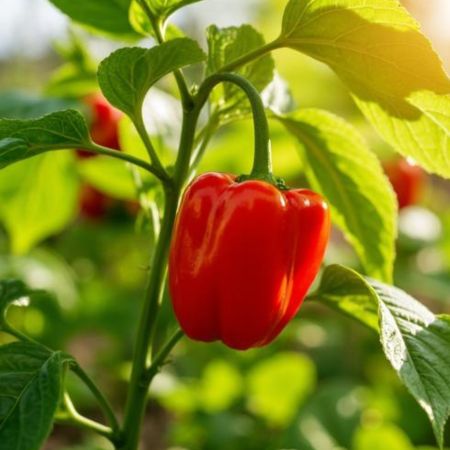
Companion planting is the practice of growing certain plants close together because they can benefit one another in some way. Instead of thinking about each vegetable, herb, or flower as growing on its own, companion planting encourages you to look at your garden as a small ecosystem where different plants can work together.
One of the biggest reasons I love companion planting is that it offers a natural way to support a healthy, productive garden. For example, some companion plants produce strong scents that may confuse or discourage certain garden pests. Others attract pollinators and beneficial insects, such as bees, butterflies, ladybugs, and lacewings.
Companion planting can also help you make better use of your garden space. Low-growing plants can act as living ground covers that shade the soil and help reduce moisture loss, while taller plants may provide some protection from intense afternoon sun. Plants with different root depths can sometimes share the same area without competing as heavily for resources.
I like to think of companion planting as one tool in a sustainable gardening strategy. When you combine thoughtful plant pairings with healthy soil, proper watering, crop rotation, and other organic gardening practices, you can create a more diverse and resilient garden.
If you’re looking for an easy way to keep track of which plants grow well together and which ones should be kept apart, be sure to check out this companion planting chart. It makes planning your garden much simpler and can help you avoid common companion planting mistakes.
1. Basil
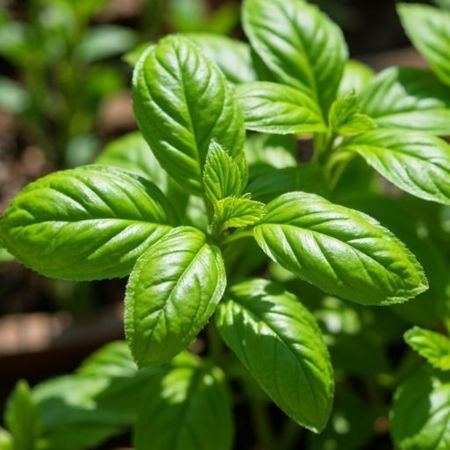
Basil is one of my favorite companion plants for peppers because it fits naturally into the same warm, sunny growing conditions that peppers enjoy. Both plants prefer plenty of sunlight and well-draining soil, which makes it easy to grow them together in garden beds or containers.
One of basil’s biggest benefits is its ability to attract beneficial insects when it begins to flower. Bees and other pollinators are drawn to basil blossoms. Although pepper plants are self-pollinating, visits from pollinators can still help move pollen and support fruit production.
Related: Can You Grow Pepper Plants Inside? Here’s Everything You Need to Know!
Basil’s strong fragrance is also traditionally thought to help confuse certain pests searching for host plants. While you shouldn’t rely on basil alone for pest control, adding aromatic herbs can increase diversity in your garden and make your pepper patch less like a large target filled with a single crop.
As a bonus, basil doesn’t require a huge amount of space. You can tuck a few plants between or around your peppers while still giving everything enough room for good airflow.
2. Marigolds
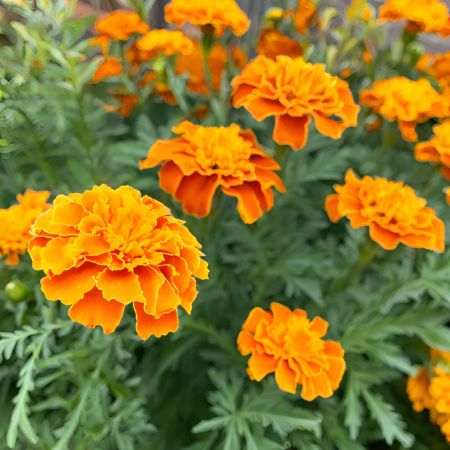
If you want to add some color to your vegetable garden while supporting your pepper plants, marigolds are an excellent choice. Their bright flowers aren’t just pretty. They can also help attract pollinators and beneficial insects that contribute to a healthier garden ecosystem.
Marigolds are particularly interesting because certain species, especially French marigolds, have been studied for their ability to suppress some types of plant-parasitic nematodes. However, this benefit depends on the marigold species, the nematode involved, and how the plants are grown.
Their flowers can also provide nectar and pollen for beneficial insects. Increasing the variety of flowering plants around your peppers can encourage more helpful insects to spend time in your garden, including insects that prey on common vegetable pests.
Marigolds are relatively compact, so you can plant them along the edges of a pepper bed without creating too much competition. I also love that they bloom for such a long time, providing cheerful color and insect habitat throughout much of the growing season.
3. Nasturtiums
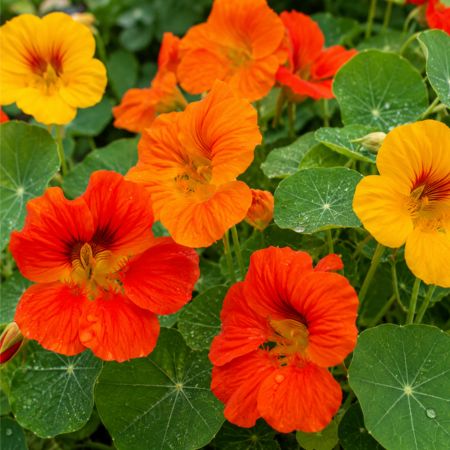
Nasturtiums are another beautiful companion plant that can add both function and color to your pepper garden. Their vibrant flowers attract pollinators, while their sprawling foliage can help cover otherwise bare patches of soil.
One of the most interesting reasons to grow nasturtiums near peppers is their potential use as a trap crop. Nasturtiums are particularly attractive to aphids, so the idea is that these pests may gather on the nasturtiums instead of concentrating on your vegetable plants.
If you try this strategy, you’ll still want to inspect both your peppers and nasturtiums regularly. A heavily infested trap crop may need to be removed or managed before the pest population spreads.
Their broad leaves can also provide some ground coverage. When positioned carefully, this may help shade the soil, slow moisture loss, and reduce the amount of open space available for weeds.
Just keep an eye on their growth. Nasturtiums can spread considerably, so give your pepper plants enough room for airflow and sunlight. With a little management, they’re an attractive addition to a diverse pepper bed.
4. Sweet Alyssum

Sweet alyssum might look delicate, but this tiny flowering plant can play a surprisingly useful role in your vegetable garden. If you’re trying to create a garden that naturally supports beneficial insects, it’s one of the plants I would consider growing near peppers.
The clusters of tiny flowers provide easily accessible nectar and pollen for several beneficial insects. Sweet alyssum is particularly well known for attracting hoverflies. Adult hoverflies feed on flowers, while the larvae of many species are predators that eat aphids.
Since aphids can sometimes become troublesome on pepper plants, encouraging their natural predators can be a useful part of an integrated pest-management strategy.
Related: Synthetic vs Organic Pesticides – What’s the Difference?
Sweet alyssum’s low-growing habit is another advantage. You can plant it around the edges of your pepper bed or between plants without creating a tall wall of foliage that blocks sunlight. As it spreads, it can also cover some bare soil, potentially helping conserve soil moisture and suppress weeds.
Plus, sweet alyssum produces masses of small, attractive flowers. It’s an easy way to make your vegetable garden prettier while increasing plant diversity and providing valuable resources for beneficial insects.
5. Cilantro
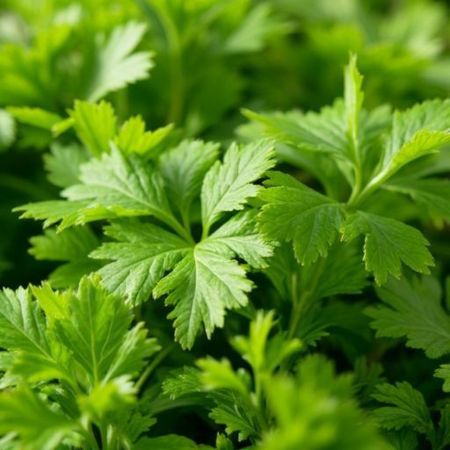
Cilantro can be a particularly useful pepper companion if you resist the urge to remove it once it starts to bolt. While you might normally think of bolting cilantro as the end of your herb harvest, those delicate flowers can become a valuable resource for beneficial insects.
Cilantro belongs to the carrot family, and its small, open flowers provide nectar and pollen that are easy for many beneficial insects to access. Flowering cilantro can attract hoverflies, lacewings, lady beetles, and parasitoid wasps. Some of these insects prey on or parasitize pests such as aphids, which can occasionally cause problems for pepper plants.
This is one reason I like mixing herbs and vegetables instead of keeping everything separated into individual garden beds. Allowing a few cilantro plants to flower can increase biodiversity and provide food for beneficial insects right where you want them.
There is one consideration when pairing cilantro with peppers: cilantro generally prefers cooler weather, while peppers thrive in warmth. Instead of expecting them to grow together all season, you can use cilantro as an early-season companion and allow some plants to flower as temperatures rise.
6. Dill

Dill is a wonderful herb to grow near peppers, especially if your goal is to attract more beneficial insects to your garden. While you can certainly harvest its flavorful leaves, I recommend allowing at least a few dill plants to flower so you can take advantage of their insect-friendly blooms.
Dill produces clusters of tiny flowers that provide nectar and pollen for a variety of beneficial insects. These flowers can attract hoverflies, lady beetles, lacewings, and parasitoid wasps, which can all prey on pests such as aphids.
Related: The Best Herbs to Grow in an Indoor Herb Garden
Dill also increases biodiversity in your vegetable garden. Instead of planting a large area with nothing but peppers, mixing in flowering herbs creates a more varied habitat that can support a wider range of insects.
One thing to keep in mind is that mature dill can grow quite tall. I like to position it where it won’t shade my sun-loving peppers or interfere with airflow. With thoughtful placement, you can enjoy fresh dill for your kitchen while creating a more welcoming garden for beneficial insects.
7. Parsley

Parsley might not be the first plant you think about when planning your pepper bed, but it can be a surprisingly helpful companion. It’s relatively compact during its first year of growth, making it easy to tuck around peppers without taking over valuable garden space.
The biggest benefits appear when you allow parsley to flower. Parsley is a biennial, so it typically produces flowers during its second year. Its clusters of small blooms provide nectar and pollen for beneficial insects that can help keep garden pest populations in check.
Parsley’s foliage can also contribute to plant diversity around your peppers. Creating a garden filled with different plant shapes, scents, and flowers can provide a more complex habitat than growing peppers by themselves.
If you’re growing parsley primarily for its leaves, you don’t necessarily have to sacrifice your harvest. You can harvest most of your plants normally while leaving a few to overwinter and flower the following season.
For me, that’s one of the best things about companion planting. A useful culinary herb can do double duty by supporting a more diverse garden ecosystem.
8. Oregano
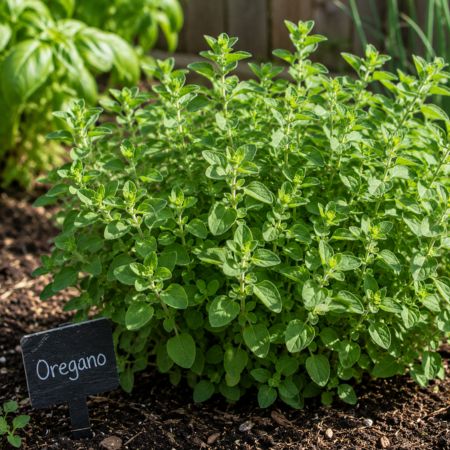
Oregano is another culinary herb that can earn its place alongside your pepper plants. Since oregano stays relatively low to the ground, it can fill some of the open space beneath and around taller pepper plants without creating excessive shade.
That low-growing habit can provide another potential benefit. Oregano foliage can act somewhat like a living mulch by covering bare soil.
This coverage may help reduce evaporation from the soil surface and make it more difficult for weeds to establish. Just be sure to leave some space around the base of your pepper plants to promote good airflow.
Related: Amazingly Powerful Medicinal Herbs You Should Be Growing in Your Garden
Once oregano flowers, it becomes especially valuable for beneficial insects. Its clusters of small blossoms attract bees and other pollinators, along with predatory and parasitoid insects that can contribute to natural pest control.
Oregano is also a perennial in many climates, so you won’t necessarily need to replant it every year. However, established plants can spread considerably. I recommend keeping oregano trimmed or planting it along the edge of your pepper bed rather than letting it crowd your vegetables. Plus, as a bonus, you’ll have plenty of fresh oregano available whenever you’re cooking.
9. Thyme

If you’re looking for a compact herb to grow around peppers, thyme is definitely worth considering. Its low-growing habit means it can fit into small spaces without competing with your peppers for sunlight, making it especially useful in raised beds and smaller gardens.
Like oregano, thyme can provide some ground coverage around your pepper plants. Covering otherwise bare soil may help slow moisture loss and discourage some weeds from becoming established.
The real companion-planting benefits become noticeable when thyme produces its tiny flowers. Although the blossoms are small, they can be highly attractive to bees and other beneficial insects. Flowering thyme provides a source of nectar and pollen that helps support insect diversity throughout your garden.
Another advantage is that thyme prefers plenty of sun and well-draining soil, conditions that also suit peppers. Just remember that established thyme is relatively drought tolerant, while fruiting pepper plants generally need more consistent moisture. Instead of watering both plants exactly the same way, pay attention to the soil and adjust as needed.
10. Chives

Chives are one of the easiest herbs to tuck into a vegetable garden, and their upright, narrow leaves mean they don’t require much growing space. This makes them a convenient companion for peppers, particularly if you’re trying to get more productivity from a raised bed or small garden.
One of my favorite things about chives is what happens when they’re allowed to bloom. Their round purple flowers are attractive to bees and other pollinators, helping you create a garden that provides more food and habitat for beneficial insects.
Chives are members of the allium family, which gives their foliage its familiar onion-like aroma. You’ll sometimes see claims that this strong scent repels a long list of garden pests.
Chives are also perennial in many areas and can return year after year. You can plant them along the edge of a pepper bed, harvest the leaves whenever you need them, and enjoy their pretty flowers when they bloom.
It’s a simple pairing that benefits both your garden and your kitchen.
11. Onions
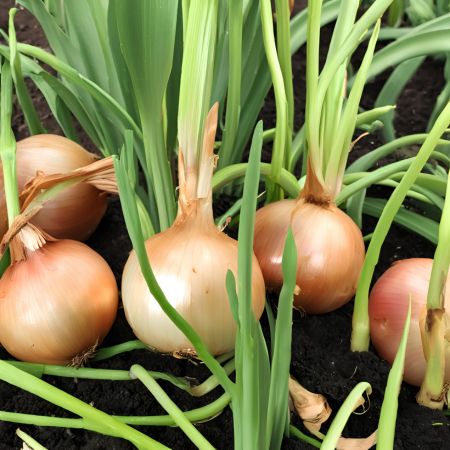
Onions can be a practical companion for peppers because they allow you to grow more food in the same garden bed without taking up a lot of above-ground space. Their narrow, upright leaves have a relatively small footprint, so they can fit between or around pepper plants without creating much shade.
This different growth habit makes onions especially useful if you’re trying to maximize space in a raised bed or small vegetable garden. While pepper plants develop bushy foliage and fruit above the soil, onions remain relatively compact. Just be sure to provide enough spacing so neither crop has to compete excessively for water and nutrients.
Like chives, onions are part of the allium family and contain pungent compounds that are frequently recommended for companion planting.
Best of all, onions and peppers are incredibly useful crops in the kitchen. Growing them together means you can turn one patch of your garden into a productive source of ingredients for homemade salsa, fajitas, soups, sauces, and plenty of other dishes.
12. Garlic
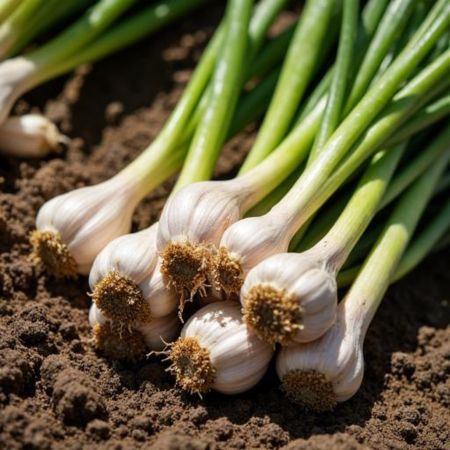
Garlic is another member of the allium family and can be a space-efficient plant to grow around peppers. It grows mostly upright and doesn’t develop a large canopy of leaves, so it generally won’t block the sunlight your pepper plants need to produce a good harvest.
Garlic is often recommended as a companion plant because of the sulfur-containing compounds responsible for its distinctive smell.
There is another convenient reason to pair these crops: timing. In many climates, garlic is planted in fall and harvested in early to midsummer. Peppers are planted after warm weather arrives and don’t reach their full size immediately.
Depending on your growing season, this can allow you to use the same garden space efficiently before your pepper plants become large.
When planting garlic and peppers together, make sure both have adequate room, water, and nutrients. With thoughtful spacing, you can harvest two incredibly useful kitchen crops from the same garden area.
13. Carrots
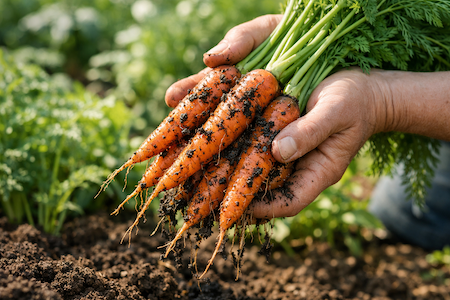
Carrots are a great option for filling some of the open spaces around pepper plants. Since most of a carrot’s harvest develops underground and its feathery foliage stays relatively low, carrots can make productive use of garden space without heavily shading your peppers.
Their different growth habits can be particularly useful in a small garden. Peppers develop bushy growth and produce their harvest above ground, while carrots grow downward into the soil. Interplanting crops with different shapes and growth patterns can help you get more food from a limited area.
However, carrots and peppers still need adequate space to develop healthy roots. Avoid planting carrots directly against the base of your pepper plants. Giving both crops some breathing room also improves airflow and makes watering and harvesting easier.
Carrots may offer another benefit while they’re growing: their foliage provides some coverage over otherwise bare soil. This can help shade the soil surface and potentially reduce moisture loss.
I especially like this pairing for raised beds where every bit of growing space counts. Instead of leaving large areas of soil between your peppers empty, you can use some of that space to grow another delicious vegetable.
14. Radishes

Radishes are one of my favorite vegetables for filling temporary gaps in the garden because they’re incredibly fast growing. Many varieties are ready to harvest in only a few weeks, making them a useful companion crop for young pepper plants.
When you first transplant peppers into the garden, there is usually plenty of open soil between them. The plants eventually become much larger, but that doesn’t happen overnight. You can sow radishes in some of these empty spaces and potentially harvest them before your peppers need the extra room.
This strategy is sometimes called intercropping or succession planting. Instead of leaving valuable garden soil unused while you wait for a slow-growing crop to mature, you’re producing another harvest from the same area.
Radish foliage can also provide temporary soil coverage, which may help shade the soil surface and discourage some weeds. However, don’t sow them so densely that they interfere with airflow or compete heavily with your peppers.
Since radishes prefer cooler conditions than peppers, this pairing works particularly well during transitional parts of the growing season. You can grow an early crop of radishes while your peppers are still small and remove them as temperatures rise.
15. Spinach
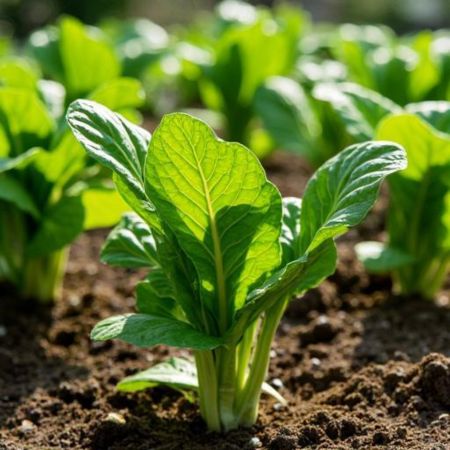
Spinach can be a useful companion for peppers because its low-growing leaves can fill some of the space underneath and between taller pepper plants. This creates a layered garden where you’re producing food at different heights rather than leaving the soil bare.
The broad spinach leaves can also function somewhat like a living mulch. By shading portions of the soil surface, they may help slow evaporation, retain soil moisture, and make it more difficult for some weeds to become established. Just avoid planting spinach too close to the base of your peppers, since crowded, damp foliage can reduce airflow.
Timing is especially important with this pairing. Spinach is a cool-season crop that tends to bolt when temperatures get hot, while peppers thrive during warm weather. Instead of expecting both plants to flourish side by side all summer, I recommend taking advantage of their overlapping growing seasons.
You might grow spinach around young pepper transplants in spring and harvest it as temperatures rise and the peppers need more room. In climates with long growing seasons, you may also be able to sow another spinach crop as temperatures cool toward fall.
It’s a simple way to keep your garden beds productive while making efficient use of available space.
The Worst Companion Plants for Peppers

While there are a lot of different crops that make successful companion plantings with peppers, there are also some that you should avoid planting nearby because they can have negative effects. It’s a good idea to keep these plants separated from your pepper plants.
1. Fennel
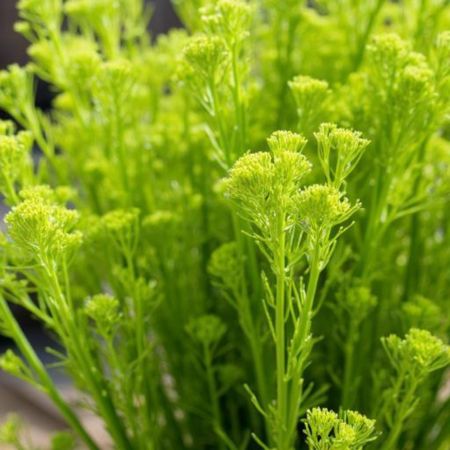
Fennel is frequently listed as one of the worst companion plants for peppers, largely because it has a reputation for interfering with the growth of nearby plants. It produces natural chemical compounds that may have allelopathic effects, meaning they can potentially inhibit the germination or growth of certain plants.
Additionally, fennel can become a fairly large plant and may compete with peppers for sunlight, water, nutrients, and growing space.
Since peppers perform best when they have plenty of room and access to resources, I prefer to give fennel its own area of the garden. This also lets fennel grow to its full size without crowding your vegetables.
If you love growing fennel, you certainly don’t have to avoid it altogether. Simply giving it a little distance from your pepper bed is a sensible precaution.
2. Brassicas

Brassicas include popular vegetables such as broccoli, cabbage, cauliflower, kale, Brussels sprouts, and collard greens. While these nutritious vegetables deserve a place in the garden, I generally wouldn’t choose them as close companions for peppers.
One reason is their growing requirements. Many brassicas are heavy feeders that need fertile soil and plenty of nutrients. Peppers also appreciate rich, fertile soil, so planting the two closely together can increase competition for available nutrients and water.
Some brassicas can also grow quite large. Broccoli, cabbage, and cauliflower may develop broad leaves that shade smaller pepper plants or reduce airflow when the garden becomes crowded.
Fortunately, their preferred growing seasons often make separation easy. Most brassicas perform best during cooler weather, while peppers thrive in warm conditions.
You can use this difference to your advantage by growing brassicas during the cooler parts of the year and saving prime summer garden space for your peppers.
3. Corn
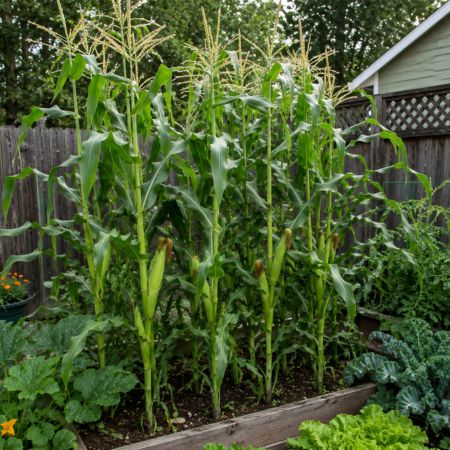
Corn and peppers can technically grow in the same garden, but I wouldn’t put corn at the top of my companion planting list. The biggest concern is sunlight. Corn grows much taller than pepper plants and can cast significant shade if it’s planted on the wrong side of your pepper bed.
That’s important because peppers generally produce best when they receive plenty of direct sunlight. If towering corn plants block that light for a significant part of the day, your peppers may not grow or produce as well as they otherwise could.
Corn is also a relatively heavy feeder and requires consistent moisture, potentially increasing competition when plants are crowded together.
If you want to grow both crops, you don’t necessarily need to put them on opposite ends of your property. Instead, pay close attention to spacing and the direction of the sun. Keep your corn positioned so it won’t shade your peppers as it reaches its full height.
4. Strawberries

Strawberries might seem like an appealing ground cover to grow underneath peppers, but I prefer to keep these two crops in separate areas.
One reason is that both plants can be susceptible to certain soilborne diseases, including Verticillium wilt. Growing susceptible crops together can make disease management more challenging if the pathogen is present in your soil.
Strawberries can also spread through runners and eventually form a thick mat of foliage. While this is useful in a dedicated strawberry bed, it can create competition around your pepper plants and make it harder to maintain good airflow and access the soil.
Related: Is it Possible to Grow Strawberry Plants Inside?
Their spreading growth can also make fertilizing, watering, inspecting, and harvesting your peppers more difficult.
If you’re short on garden space, there are better low-growing options to consider around peppers. Keeping strawberries in their own bed or containers makes it easier to manage their runners while giving both crops the growing conditions and attention they need.
5. Other Nightshade Plants

Peppers belong to the nightshade family, or solanaceae, along with tomatoes, eggplants, potatoes, and several other crops. These plants aren’t inherently incompatible, and you can grow them near one another successfully. However, there are some good reasons you may want to spread them throughout your garden rather than grouping them all together.
Closely related plants can be vulnerable to some of the same pests and diseases. For example, peppers, tomatoes, eggplants, and potatoes may share problems with flea beetles, aphids, hornworms, and certain fungal or bacterial diseases. Concentrating susceptible plants in one location can potentially make it easier for a problem to spread.
Growing nightshades separately can also make crop rotation easier. Rotating plant families to different areas of your garden helps reduce the buildup of certain soilborne pathogens and pests.
If you do grow nightshades together, provide plenty of spacing, maintain good airflow, inspect your plants regularly, and avoid planting them in the same location year after year.
Grow Healthier Peppers With the Right Plant Partners
Choosing the right companion plants for peppers is a simple way to create a more diverse, productive, and resilient garden. From basil and sweet alyssum that attract beneficial insects to spinach and radishes that help you make better use of your growing space, there are plenty of plants that can happily share a garden bed with your peppers.
At the same time, knowing which plants might not make the best neighbors can help you avoid unnecessary competition for sunlight, water, nutrients, and space. Thoughtful planting can also make it easier to manage pests and diseases throughout the growing season.
One of the things I love most about companion planting is that you don’t have to completely redesign your garden to give it a try. Start small by adding a few herbs, flowers, or vegetables around your peppers and see what works best in your unique growing conditions.
With a little planning and experimentation, you can create a thriving garden ecosystem that works with nature while providing you with plenty of delicious homegrown peppers to enjoy!


