
How to Make DIY Foaming Hand Soap
How to Make Your Own DIY Foaming Hand Soap
Have you ever looked at the ingredient list on a bottle of hand soap and wondered why something so simple needs so many ingredients? Learning how to make DIY foaming hand soap is an easy way to take control of what you’re using on your hands while also cutting down on plastic waste and saving a little money in the process.
I love simple DIY swaps that don’t require a long list of hard-to-find ingredients or a big time commitment. Homemade foaming hand soap definitely checks both boxes. With just a few basic ingredients, you can mix up a batch in minutes and refill the same dispenser again and again instead of constantly buying new bottles of soap.
Even better, making your own foaming hand soap lets you customize it to suit your household. You can keep it completely unscented, add your favorite essential oils for a light natural fragrance, or adjust the ingredients depending on what you have on hand.
If you’re ready for an easy sustainable swap that can simplify your routine, reduce waste, and help you avoid unnecessary ingredients, I’ll show you exactly how to make your own foaming hand soap at home.
Why Make Your Own Foaming Hand Soap?
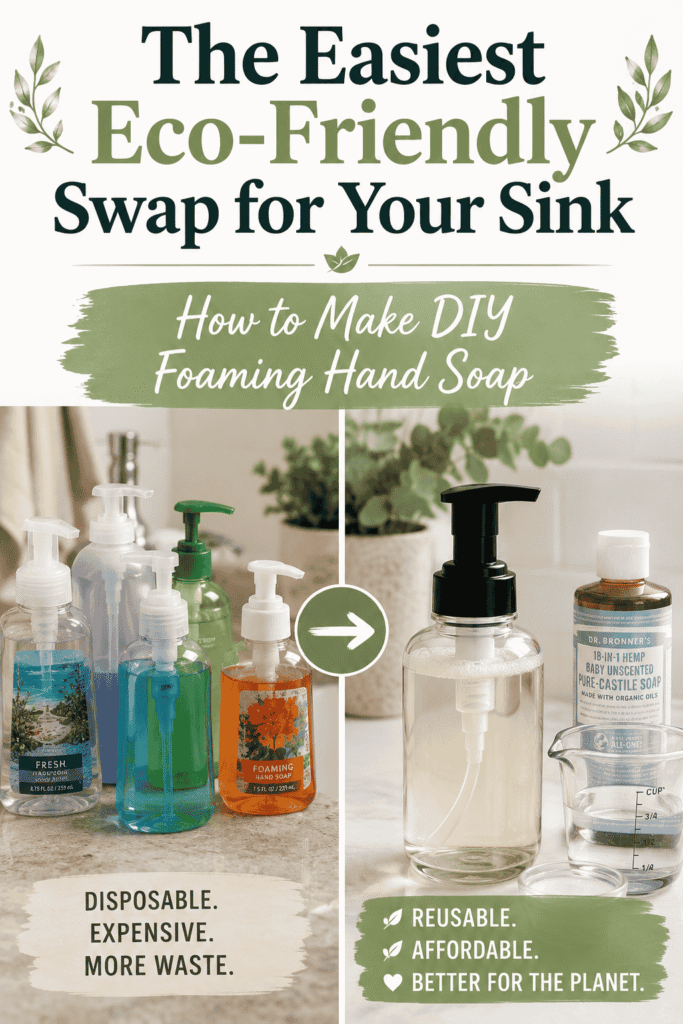
If you’ve ever gone through bottle after bottle of hand soap, you know how quickly those little plastic containers can pile up. One of my favorite reasons to make foaming hand soap at home is that you can simply refill the same dispenser over and over again.
It’s a small change. However, it’s also an easy way to cut back on single-use plastic in your everyday routine.
Making your own can also save money. Foaming dispensers mix liquid soap with air as you pump, so you only need a relatively small amount of concentrated soap for each refill. Instead of buying a new bottle every time you run out, one bottle of liquid soap can make multiple batches.
Another benefit is having more control over the ingredients you bring into your home. Depending on the soap you choose, you can avoid synthetic fragrances, dyes, and other ingredients you may prefer not to use. This is especially helpful if, like me, you prefer simple products and want to know exactly what you’re using around your home.
Best of all, homemade foaming hand soap is incredibly easy to make. There’s no complicated process and no special DIY skills required. Once you have a foaming dispenser, you can mix up a refill in just a couple of minutes.
What You Need to Make DIY Foaming Hand Soap
One of the best things about this DIY is how few supplies you need. In fact, there’s a good chance you already have most of what you need at home.
The main ingredient is liquid Castile soap. Castile soap is traditionally made with plant-based oils, and it’s a versatile option for all sorts of homemade cleaning and personal care recipes. You can choose an unscented variety or a scented version depending on your preference.
You’ll also need distilled water. Although it might be tempting to simply fill your dispenser from the faucet, distilled water is a better choice because it doesn’t contain the minerals and other impurities found in tap water.
A small amount of carrier oil, such as jojoba oil or sweet almond oil, can also be added if you’d like a more moisturizing soap. However, this ingredient is optional.
Finally, you’ll need a foaming soap dispenser. A regular liquid soap pump won’t create the same fluffy foam because foaming pumps are specially designed to mix the diluted soap solution with air.
That’s it! With just a few simple supplies, you’ll have everything you need to start making your own foaming hand soap.
How to Make DIY Foaming Hand Soap
Once you have your supplies, making homemade foaming hand soap couldn’t be easier. In fact, it takes only a minute or two to put together.
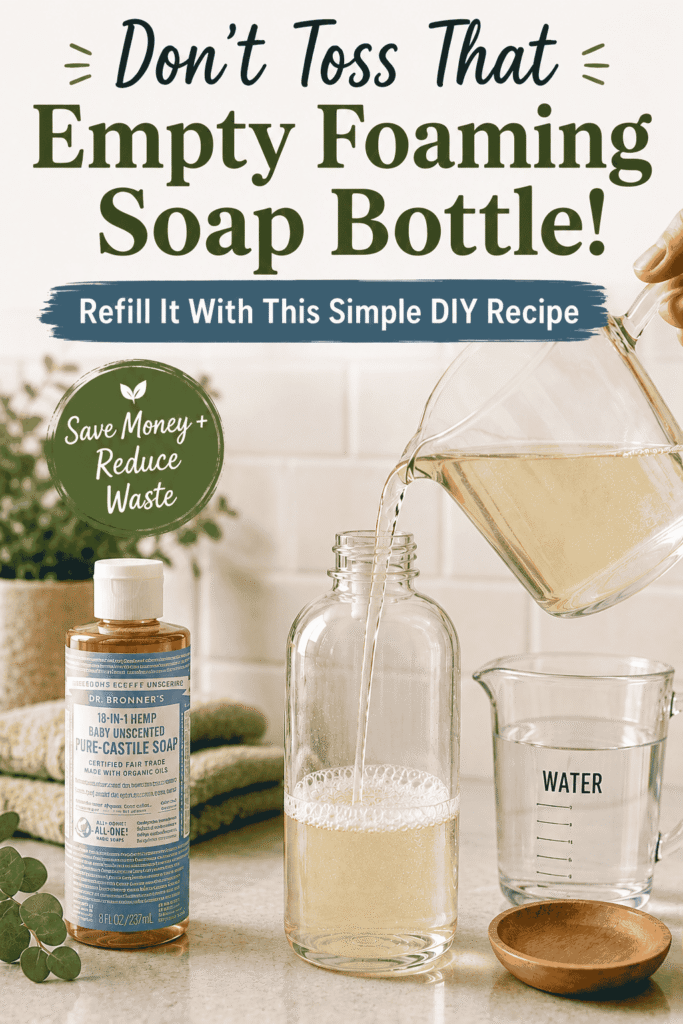
Start with a clean foaming soap dispenser. Add about 1 part liquid Castile soap to 4 parts distilled water. For example, if you’re using a 10-ounce dispenser, you could start with about 2 ounces of Castile soap and 8 ounces of distilled water.
I recommend adding the water to the dispenser slowly so you don’t create a mountain of bubbles before you’ve even put the pump back on. Leave a little room at the top so the foaming pump can fit without causing the mixture to overflow.
If you’d like a little extra moisturizing power, you can add a small amount of jojoba or another skin-friendly carrier oil. Gently swirl the bottle to combine everything rather than shaking it vigorously.
Replace the pump, give it a few pumps, and your homemade foaming hand soap is ready to use.
Keep in mind that you may need to experiment slightly with the soap-to-water ratio. Different soaps and dispensers can behave differently. If the foam seems too watery, add a little more soap. If it’s too thick or the pump struggles, add a little more distilled water.
How to Make Foaming Hand Soap Without Castile Soap
Castile soap is a popular choice for homemade foaming hand soap, but it’s certainly not your only option. If you don’t have any on hand or simply prefer another type of soap, you can still make foaming hand soap using regular liquid hand soap.
The key is dilution. Regular liquid hand soap is generally too thick to work properly in a foaming dispenser on its own. By mixing it with water, you create a thinner consistency that the special foaming pump can combine with air.
Start with approximately 1 part liquid hand soap to 3 or 4 parts distilled water. Since liquid soaps vary quite a bit in thickness, consider this a starting point rather than an exact formula.
Related: How Does Blueland Hand Soap Compare to Its Competition?
Add the distilled water and liquid soap to a clean foaming dispenser, leaving some space at the top. Gently swirl the bottle until the ingredients are combined. Avoid shaking it vigorously, which can fill the bottle with bubbles.
When choosing a liquid soap, I recommend looking for a simple, plant-based formula without synthetic fragrance or unnecessary dyes if you’re trying to make this a more natural swap.
Test the dispenser a few times. If the mixture doesn’t foam well, adjust the ratio by adding a little more soap or water until you find the consistency that works best with your dispenser.
Can You Use Essential Oils in Foaming Hand Soap?
You can use essential oils in homemade foaming hand soap if you’d like to add a natural fragrance. However, they’re completely optional.
Your soap will still clean your hands without them. If you’re sensitive to scents or simply prefer fragrance-free products, feel free to leave them out.
If you decide to use essential oils, a little goes a long way. Popular choices for hand soap include lavender, lemon, sweet orange, peppermint, and tea tree. You can use a single oil or experiment with combinations to create a scent you enjoy.
Keep in mind that essential oils are highly concentrated, and more isn’t necessarily better. Some essential oils can irritate the skin, particularly when used at higher concentrations.
Citrus essential oils may also have special safety considerations depending on the specific oil and how it was produced. Always check the safety information for the particular essential oil you’re using and follow appropriate dilution recommendations.
It’s also important to remember that essential oils don’t dissolve in water. Simply adding drops to a mixture of Castile soap and water may not distribute them evenly, and you might notice some separation. Give your dispenser a gentle swirl before using it rather than vigorously shaking the bottle.
Personally, I usually prefer keeping homemade products as simple as possible. Essential oils can make your foaming hand soap smell lovely, but they’re certainly not necessary. An unscented version is just as easy to make and is a great choice if you’re trying to reduce fragrance in your home.
How to Make Unscented Foaming Hand Soap
If you’re sensitive to fragrance or simply prefer products without added scents, homemade foaming hand soap is incredibly easy to make unscented. In fact, this is one of the reasons I like making my own. You don’t have to settle for whatever fragrance happens to be available at the store.
Start with an unscented liquid Castile soap. Check the ingredient list rather than relying solely on words such as “natural” on the front of the bottle. If avoiding fragrance is important to you, look for a formula without added fragrance, parfum, or essential oils.
Combine approximately 1 part unscented Castile soap with 4 parts distilled water in a clean foaming soap dispenser. Gently swirl the bottle to combine the ingredients.
You can also add a small amount of jojoba oil if you’d like, although this is completely optional. Keep in mind that you don’t need essential oils to make an effective hand soap. Leaving them out is the easiest way to keep your recipe truly fragrance-free.
An unscented version can be especially useful in kitchens, where strong fragrances can linger on your hands while you’re preparing food. It’s also a simple choice for anyone who prefers to reduce the number of scented products used throughout the home.
How to Keep Homemade Foaming Hand Soap From Separating
If you notice your homemade foaming hand soap separating after it sits for a while, don’t worry. This can be completely normal, especially if you’ve added ingredients such as a carrier oil or essential oils.
Oil and water naturally don’t stay mixed without an emulsifier, so you may see a thin layer of oil collecting at the top of the bottle.
The easiest solution is to gently swirl the dispenser before using it. You don’t want to shake it vigorously because that can create lots of bubbles inside the bottle. A few gentle swirls should be enough to temporarily combine the ingredients again.
You can also keep your recipe as simple as possible. A basic mixture of liquid Castile soap and distilled water is less likely to have noticeable separation than a recipe containing several additional ingredients. If you’re adding a carrier oil for extra moisture, use only a small amount.
While separation is normal, if you notice an unusual odor, discoloration, or other signs of spoilage, it’s best to discard the mixture and make a fresh batch.
How Long Does Homemade Foaming Hand Soap Last?
Since homemade foaming hand soap contains water and typically doesn’t include the same preservation system as commercially manufactured products, I recommend making it in relatively small batches rather than preparing months’ worth at once.
How long your soap lasts can depend on the ingredients you use, how clean your dispenser is, and how the soap is stored. Adding water to a commercially formulated soap can also dilute its preservatives, so you shouldn’t assume your homemade mixture will have the same shelf life as the original product.
For that reason, I prefer to make only enough foaming hand soap to use within a few weeks. Fortunately, the recipe takes just a minute or two to prepare, so making a fresh batch isn’t much of an inconvenience.
Always start with a thoroughly cleaned dispenser and use distilled water rather than tap water. Keep the bottle closed with the pump attached, and avoid opening it or touching the inside unnecessarily.
Pay attention to your soap as you use it. If you notice a change in smell, color, texture, or appearance, discard it and thoroughly clean the dispenser before making another batch.
You can also write the date you made the soap on a small piece of removable tape placed on the bottom of the dispenser. It’s an easy way to keep track of how long a batch has been sitting by the sink.
Do You Need a Special Dispenser for Foaming Hand Soap?

Yes, you do need a foaming soap dispenser if you want that light, fluffy foam you get from store-bought foaming hand soap. Fortunately, you don’t necessarily need to buy a brand-new one.
The magic is actually in the pump. A foaming soap dispenser is designed to mix the diluted liquid soap with air as you press down on the pump.
This creates foam before the soap reaches your hands. A standard liquid soap dispenser simply pumps out the liquid as-is, which is why putting diluted soap in a regular dispenser won’t give you the same result.
One of the most sustainable options is to reuse a foaming soap dispenser you already have. If you’ve purchased foaming hand soap in the past, save the bottle when it’s empty, clean it thoroughly, and refill it with your homemade mixture.
If you don’t already have one, you can purchase a reusable foaming dispenser designed to be refilled. Glass bottles are a popular option if you’re trying to reduce plastic around your home, although you’ll want to consider whether glass is practical for the sink where you plan to use it.
Whatever you choose, look for a durable dispenser with a replaceable or long-lasting pump. The longer you’re able to reuse it, the more waste you can prevent compared to repeatedly buying disposable bottles of hand soap.
How to Clean and Reuse a Foaming Soap Dispenser
Reusing the same foaming soap dispenser is one of the easiest ways to make this DIY even more sustainable. However, because you’re adding water to your homemade soap, it’s important to clean the bottle between batches rather than continually topping it off.
Start by emptying any remaining soap from the dispenser. Rinse the bottle thoroughly with warm water until you no longer see soap residue inside.
Don’t forget about the pump. Soap can build up inside the mechanism over time, which may eventually cause it to clog. Pump clean warm water through the dispenser several times to help flush out any soap trapped inside.
Wash the bottle and removable parts according to the manufacturer’s cleaning instructions. Since dispenser materials vary, particularly between plastic and glass bottles, following those directions is the safest way to avoid damaging your container or pump.
Allow everything to dry completely before adding a fresh batch of foaming hand soap. I like to leave the bottle and pump disassembled while they dry so moisture isn’t trapped inside.
Try not to simply add new soap whenever the bottle starts getting low. Emptying, washing, and drying the dispenser between batches helps keep your reusable bottle cleaner and gives you an opportunity to check the pump for buildup or damage.
With proper care, a good foaming dispenser can be reused many times, helping you get even more environmental benefits from this simple swap.
Ways to Make Your Hand-Washing Routine More Sustainable
Making your own foaming hand soap is a great start, but there are a few other simple ways you can make your everyday hand-washing routine a little more sustainable.
First, reuse your soap dispenser for as long as possible. Whether you repurpose an old foaming soap bottle or purchase a refillable dispenser, keeping the same container in use helps reduce packaging waste.
When you need more soap, consider buying your liquid Castile soap or other hand soap in a larger container rather than purchasing several small bottles. If you have access to a local refill store, you may even be able to refill a container you already own.
Water use matters too. Wet your hands, turn off the faucet while you lather and scrub, and then turn it back on when you’re ready to rinse. It’s a tiny habit, but all those seconds of running water can add up over time.
You can also choose soaps made with plant-based ingredients and look for brands that offer recyclable, reusable, or minimal packaging. If you’re using a reusable dispenser, take care of the pump and bottle so you don’t have to replace them unnecessarily.
You don’t need to completely overhaul your bathroom or kitchen to make a difference. I always find that sustainable living feels much more manageable when I focus on small habits I can realistically maintain. Making your own foaming hand soap is one of those simple swaps that can easily become part of your regular routine.
An Easy, Eco-Friendly Swap for Your Home
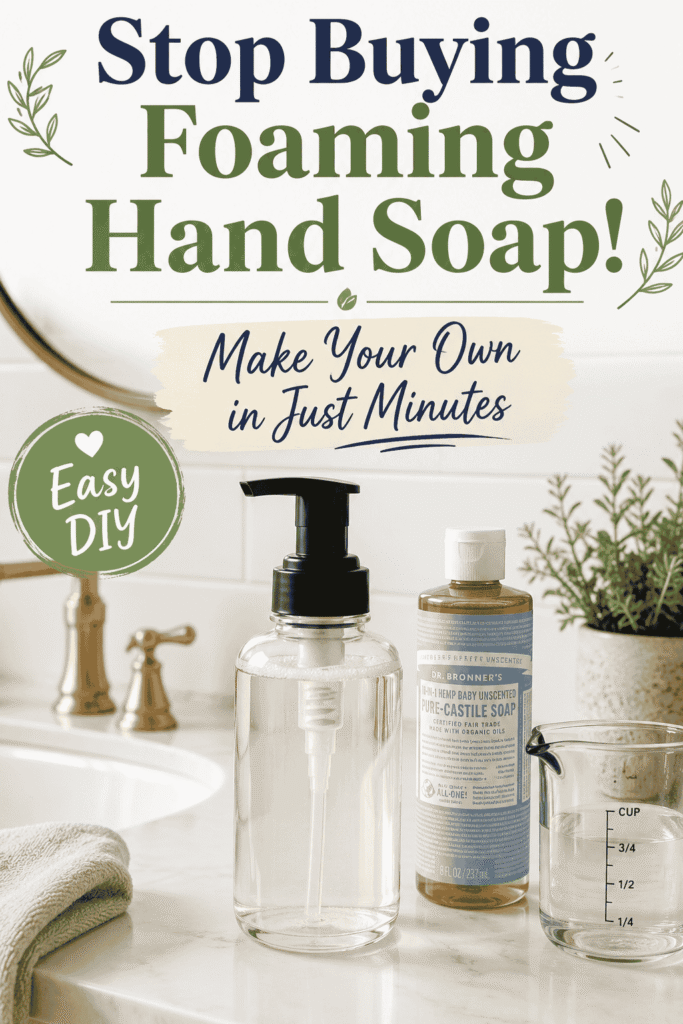
Learning how to make DIY foaming hand soap is a perfect example of how sustainable living doesn’t have to be complicated or expensive. With just a few simple ingredients and a reusable foaming dispenser, you can make a practical household essential in minutes while cutting back on disposable plastic bottles.
I especially love this swap because it’s so easy to customize. You can keep your hand soap completely unscented, choose a simple plant-based soap, or adjust the recipe until you find the consistency that works best for your dispenser.
Remember, creating a more eco-friendly home isn’t about changing everything overnight. Small, realistic swaps that you can stick with are often the easiest ones to make part of your everyday life.
So, the next time your foaming soap dispenser is running low, don’t toss it in the recycling bin. Give it a good cleaning, mix up a fresh batch of homemade foaming hand soap, and enjoy one more simple way to reduce waste around your home.


