
Soothe That Nagging Cough Naturally With These Powerful Herbs
The Best Herbs to Help Soothe a Cough
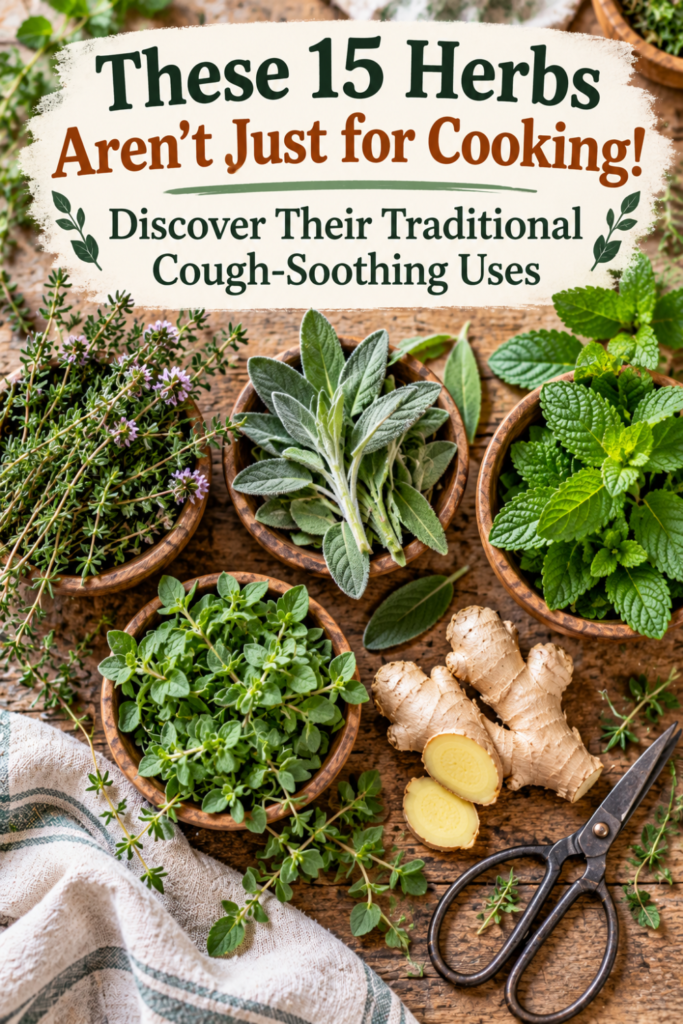
You know that frustrating feeling when a cough just won’t quit? Whether it’s keeping you awake at night, making your throat feel raw, or interrupting your day every few minutes, a persistent cough can leave you feeling downright miserable. If you’re looking for a gentle, natural way to find some relief, you’ll be happy to know that some of the best herbs for a cough might already be growing in your garden or sitting in your kitchen cupboard!
For centuries, people have turned to herbs to help soothe irritated throats, loosen stubborn mucus, and calm uncomfortable coughing fits. While herbal remedies aren’t a cure-all, certain plants contain natural compounds that may help ease cough symptoms and support your body’s recovery.
One of my favorite things about herbal remedies is how simple they can be. Sometimes, all it takes is a warm cup of herbal tea to bring a little comfort when you’re feeling under the weather. Plus, growing your own medicinal herbs is a wonderful way to become a little more self-sufficient while connecting with nature.
If you’re just getting into the world of herbalism and looking for an easy way to learn everything you need to know, I highly recommend using Herbal Academy to learn how to put together an herbal medicine cabinet. These courses are online, self-paced, and packed with recipes, tutorials, and more.
You can also explore some of the best herbs for a cough, how they may help, and simple ways to use them at home. I’ll also share a few important precautions because natural doesn’t always mean risk-free!
1. Thyme

If you thought thyme was only good for adding flavor to your favorite recipes, think again! This fragrant little herb has been used for centuries as a natural remedy for coughs, colds, and respiratory discomfort.
Thyme contains compounds called thymol and carvacrol, which have antimicrobial and anti-inflammatory properties. Some research also suggests that thyme-based herbal preparations may help ease coughing, particularly when you’re dealing with a wet, mucus-filled cough.
One of the easiest ways to enjoy thyme’s potential benefits is by making a soothing herbal tea. Simply steep 1 to 2 teaspoons of dried thyme in a cup of hot water for about 10 minutes. Strain, add a little honey if you’d like, and sip slowly.
Thyme is also surprisingly easy to grow, making it a wonderful addition to your medicinal herb garden!
2. Marshmallow Root
No, we’re not talking about the fluffy white treats you roast over a campfire! Marshmallow root comes from the Althaea officinalis plant, and it’s one of my favorite examples of how fascinating herbal remedies can be.
Marshmallow root contains a natural substance called mucilage. When mixed with water, this substance forms a slippery, gel-like coating that may help soothe irritated tissues in your throat.
This makes marshmallow root especially useful as a traditional remedy for dry, scratchy coughs that leave your throat feeling raw.
You can prepare marshmallow root as a cold-water infusion by soaking dried root in cool water for several hours, then straining it. This helps extract its soothing mucilage.
One important precaution: Marshmallow root may affect how your body absorbs medications, so take it separately from oral medicines and check with your healthcare provider if you’re unsure.
3. Mullein

Have you ever spotted a tall plant with soft, fuzzy leaves and bright yellow flowers growing along a roadside? You might have been looking at mullein!
Mullein (Verbascum thapsus) has a long history of use in traditional herbal medicine, particularly for coughs and respiratory discomfort.
Herbalists often turn to mullein when someone has a cough accompanied by mucus or an irritated throat. Its leaves contain mucilage and saponins, compounds that may help soothe irritated tissues and support mucus clearance.
To make mullein tea, steep dried mullein leaves in hot water for about 10 to 15 minutes. Be sure to strain the tea through a fine coffee filter or tightly woven cloth to remove the tiny leaf hairs, which can irritate your throat.
Mullein is also a biennial plant that’s relatively easy to grow in a sunny garden.
4. Licorice Root
If you’ve ever enjoyed the naturally sweet flavor of licorice, you might be surprised to learn that licorice root has also been used for centuries to soothe coughs and sore throats.
Licorice root (Glycyrrhiza glabra) contains glycyrrhizin, a compound with anti-inflammatory properties. It also contains substances traditionally believed to help loosen mucus and soothe irritated respiratory tissues.
Since licorice root has a naturally sweet taste, it’s often included in herbal throat teas and cough preparations.
However, this is one herb you need to approach with caution. Licorice root can raise blood pressure, lower potassium levels, and interact with medications. It’s generally unsuitable for people with high blood pressure, heart or kidney conditions, or during pregnancy.
5. Ginger

Ginger is one of those amazing kitchen staples that seems to have endless uses. Not only does it add a delicious kick to your favorite meals, but it can also make a wonderfully comforting tea when you’re feeling under the weather.
Ginger contains natural compounds called gingerols and shogaols, which have been studied for their anti-inflammatory properties. While research specifically examining ginger as a cough treatment is limited, a warm cup of ginger tea may help soothe an irritated throat.
To make your own ginger tea, slice a few pieces of fresh ginger root and simmer them in water for 10 to 15 minutes. Strain the liquid and add a spoonful of honey for extra throat-soothing comfort.
I especially love how easy ginger is to keep on hand. You can even grow it in containers if you live in a warm climate!
6. Peppermint

If you’ve ever sipped a warm cup of peppermint tea when you weren’t feeling your best, you already know how soothing this refreshing herb can be!
Peppermint contains menthol, a natural compound that creates a cooling sensation in your throat and nasal passages. While menthol doesn’t actually clear congestion, it can make breathing feel more comfortable when you’re dealing with a cold.
Related: 10 Natural Ways to Fight a Cold That Actually Work
Peppermint tea is also a wonderful way to soothe a dry, irritated throat, especially when coughing has left it feeling scratchy.
To make peppermint tea, steep 1 tablespoon of fresh peppermint leaves or 1 teaspoon of dried leaves in hot water for 5 to 10 minutes. Strain and enjoy!
Peppermint is incredibly easy to grow, too. Just remember to plant it in a container because this enthusiastic herb can quickly take over your garden!
7. Slippery Elm

When you have one of those annoying, dry coughs that makes your throat feel like sandpaper, slippery elm might be an herb worth learning about.
Slippery elm (Ulmus rubra) comes from a tree native to North America. Its inner bark contains mucilage, a natural substance that becomes slippery when mixed with water.
This coating may help soothe irritated throat tissues and provide temporary relief from the tickling sensation that triggers coughing.
Related: The Best Medicinal Trees You Can Grow in Your Yard
You can find slippery elm in herbal teas, throat lozenges, and powdered preparations. To make a soothing drink, mix slippery elm powder with warm water according to the product’s instructions.
Since slippery elm may interfere with medication absorption, it’s best to take it separately from oral medicines.
If you’re purchasing slippery elm, look for sustainably harvested sources because wild populations face conservation pressures.
8. Eucalyptus

When you think about natural remedies for coughs and congestion, eucalyptus is probably one of the first plants that comes to mind. Its distinctive, refreshing aroma is commonly found in vapor rubs, cough drops, and other cold remedies.
Eucalyptus contains a compound called eucalyptol, also known as 1,8-cineole, which has been studied for its potential anti-inflammatory and mucus-clearing properties.
Some research suggests that standardized eucalyptol preparations may help ease certain respiratory symptoms, although this doesn’t mean every eucalyptus product works the same way.
If you’re interested in using eucalyptus, commercially prepared chest rubs or other products specifically formulated for respiratory comfort are safer options than homemade essential oil remedies.
Never swallow eucalyptus essential oil, as it can cause serious poisoning. You should also keep eucalyptus oil away from young children and follow product-specific safety instructions.
9. Sage

You probably know sage as the delicious herb that gives holiday stuffing its signature flavor. However, did you know it also has a long history of use as a traditional remedy for sore throats and respiratory discomfort?
Sage (Salvia officinalis) contains plant compounds such as rosmarinic acid that have been studied for their anti-inflammatory and antioxidant properties.
Although there’s limited evidence that sage directly stops coughing, it may help soothe the throat irritation that often accompanies a persistent cough.
One simple way to use sage is to prepare a warm herbal gargle. Steep a few fresh sage leaves or 1 teaspoon of dried sage in hot water for about 10 minutes. Allow it to cool until comfortably warm, then strain and gargle.
Avoid concentrated sage essential oil and medicinal amounts of sage during pregnancy, since some sage varieties contain thujone, which can be harmful in high doses.
10. Elderflower
If you love discovering beautiful plants that serve more than one purpose, elderflower is definitely worth getting to know!
Elderflowers are the delicate, creamy-white blossoms of the elder tree, most commonly European elder (Sambucus nigra). They’ve been used in traditional herbal medicine for centuries, particularly in teas prepared for colds and seasonal respiratory discomfort.
Elderflowers contain flavonoids and other plant compounds with antioxidant properties that are traditionally used to support comfort during a cold. One of the easiest ways to enjoy elderflower is as a warm herbal tea made from properly dried flowers.
If you enjoy growing your own medicinal plants, elder trees can also be a lovely addition to a wildlife-friendly garden.
Just remember that other parts of the elder plant, especially unripe berries, leaves, and stems, can be toxic if improperly prepared.
11. Plantain Leaf

You might be surprised to learn that one of the best herbs for a cough could be growing right in your backyard!
Plantain leaf (Plantago major or Plantago lanceolata) is a common garden plant that’s often mistaken for an ordinary weed. However, this humble herb has a long history of use in traditional herbal medicine.
Plantain leaves contain mucilage, which may help coat and soothe irritated throat tissues. They’re traditionally used for dry, scratchy coughs.
To make plantain tea, steep 1 to 2 teaspoons of dried plantain leaves in a cup of hot water for about 10 minutes. Strain and enjoy warm.
If you decide to forage for plantain, make sure you correctly identify the plant and only harvest from areas free of pesticides, roadside pollution, and other contaminants.
12. Horehound

If you’ve ever seen old-fashioned herbal cough drops at a country store, there’s a good chance you’ve come across horehound!
White horehound (Marrubium vulgare) is a member of the mint family that has been used for centuries in traditional cough remedies. Unlike peppermint, however, horehound has a distinctly bitter flavor.
The herb contains a compound called marrubiin, which is believed to contribute to its traditional use as an expectorant, helping the body clear mucus from the respiratory tract.
Although horehound has a long history of use for wet, productive coughs, strong clinical evidence supporting these benefits is limited.
You’ll commonly find horehound in commercially prepared herbal cough drops, syrups, and teas.
Horehound is also a hardy, drought-tolerant perennial that’s easy to grow in sunny gardens. However, medicinal use should be avoided during pregnancy.
13. Chamomile

There’s something incredibly comforting about wrapping your hands around a warm cup of chamomile tea when you’re feeling under the weather.
Chamomile is best known for its calming qualities, but it may also offer some comfort when you’re dealing with a scratchy throat and an irritating cough.
The flowers contain plant compounds, including apigenin, that have been studied for their anti-inflammatory properties. While there isn’t strong evidence that chamomile directly reduces coughing, sipping warm chamomile tea can help keep your throat moist and temporarily soothe irritation.
To make chamomile tea, steep 1 to 2 teaspoons of dried chamomile flowers in hot water for 5 to 10 minutes.
I especially like the idea of enjoying chamomile before bedtime when a cough makes it difficult to relax. Just remember that chamomile can trigger allergic reactions in people sensitive to ragweed and related plants.
14. Anise Hyssop

If you’re looking for an herb that’s both beautiful and useful, anise hyssop deserves a spot on your list!
Anise hyssop (Agastache foeniculum) is a fragrant member of the mint family with lovely purple flower spikes and leaves that smell like licorice.
Traditionally, Native American communities have used anise hyssop preparations for coughs, colds, and other respiratory discomforts.
One of the simplest ways to enjoy anise hyssop is as an herbal tea. Steep a small amount of dried leaves and flowers in hot water for about 5 to 10 minutes.
As an added bonus, anise hyssop is a fantastic plant for a pollinator-friendly garden. Its beautiful flowers attract bees, butterflies, and other beneficial insects throughout the growing season.
Just be sure to distinguish it from true hyssop, which is a different plant.
15. Oregano

You probably already have oregano sitting in your spice cabinet, but this familiar culinary herb has more to offer than delicious homemade pizza and pasta sauce!
Oregano (Origanum vulgare) contains natural compounds called carvacrol and thymol, which have been studied for their antimicrobial and anti-inflammatory properties.
Although these findings are interesting, most research has been conducted in laboratory settings. There isn’t enough clinical evidence to say that oregano effectively treats coughs in people.
Still, a warm cup of oregano tea may provide some temporary comfort when your throat feels irritated.
To make oregano tea, steep 1 teaspoon of dried oregano in a cup of hot water for 5 to 10 minutes. Strain and add honey if you prefer a sweeter flavor.
Stick with culinary amounts or mild tea preparations rather than ingesting concentrated oregano essential oil, which can be irritating and potentially harmful.
Find Natural Comfort With the Best Herbs for a Cough

Dealing with a stubborn cough is never fun, but sometimes a little natural comfort can make those miserable days feel more manageable. Whether you’re sipping a warm cup of thyme tea, soothing a scratchy throat with marshmallow root, or enjoying the comforting aroma of peppermint, there are plenty of herbs worth exploring.
One of the things I love most about herbal remedies is that many of these plants are surprisingly easy to grow at home. By adding a few medicinal herbs to your garden, you can enjoy their beauty, support local pollinators, and have ingredients for soothing herbal teas right at your fingertips.
Just remember that even the best herbs for a cough aren’t a substitute for medical care. Natural remedies can have side effects and interact with medications, and not every herb is appropriate for children or during pregnancy.
If your cough lasts longer than a few weeks, gets worse, or comes with concerning symptoms, be sure to talk to your healthcare provider. Always seek urgent care for difficulty breathing or chest pain.


