How to Avoid the Most Toxic Items in the Bathroom
When I first started paying attention to the products in my home, I was shocked to discover that some of the most toxic items in the bathroom were things I used every single day without a second thought. From shampoos and lotions to shower curtains and cleaners, our bathrooms are often filled with hidden chemicals that can affect our health and the environment.
The good news is that once you know what to look for, it’s easier than you think to swap these out for safer, more eco-friendly alternatives. In this post, I’ll walk you through some of the biggest offenders I’ve found in my own home (and likely in yours, too) and share simple, non-toxic swaps that actually work.
Also, keep in mind that if you want to detox every room in your home, you can also check out our guide on the most toxic items in the kitchen.
1. Shampoo and Conditioner

Shampoo and conditioner are staples in almost every bathroom, but most conventional brands are far from safe. Flip over the bottle and you’ll often find a long list of unpronounceable ingredients.
Common culprits include sulfates, which are harsh detergents that strip away natural oils from your scalp and can cause dryness or irritation. Then there are parabens, a type of preservative that helps products last longer on the shelf but has been linked to hormone disruption.
Synthetic fragrances are another big red flag because they’re often made up of dozens or sometimes even hundreds of undisclosed chemicals.
Related: How to Make a Homemade Massaging Shampoo Bar
Plus, the problem doesn’t stop with personal health. Every time you rinse your hair, these chemicals flow down the drain and end up in rivers and oceans, where they can disrupt aquatic life. For me, the turning point was realizing that the products I used daily weren’t just affecting me; they were also harming the planet.
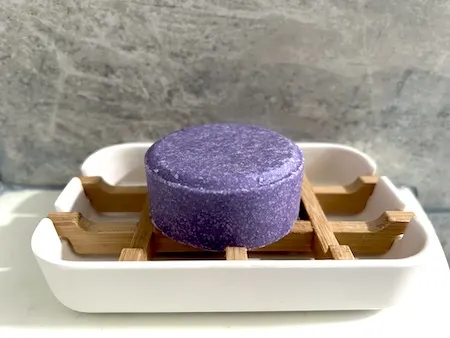
If you want a safer option, look for shampoos and conditioners labeled sulfate-free, paraben-free, and fragrance-free. Additionally, solid shampoo bars and solid conditioner bars completely eliminate the plastic bottle and cut down on plastic waste.
I’ve personally had great luck with natural formulas made with ingredients like aloe, coconut oil, and shea butter. Not only do they keep my hair healthy, but they also leave me with peace of mind knowing I’m not rinsing toxins down the drain. Making this switch is one of the easiest ways to start detoxing your bathroom.
2. Body Wash and Bar Soap


Body wash and bar soap are products we use every single day, yet many of them are surprisingly toxic. The ingredient I see most often that raises red flags is triclosan, an antibacterial chemical once marketed as a germ-fighting miracle.
However, research has since shown it can disrupt hormones and contribute to antibiotic resistance, which is why it has been banned in certain products in the U.S. Unfortunately, it can still show up in soaps.
Synthetic dyes and artificial fragrances are also common. They may make your soap look or smell appealing, but these chemicals can irritate the skin and introduce unnecessary toxins into your body.
Another thing to keep in mind is how these products affect the environment. Those little beads of fragrance and color don’t just disappear. They wash down the drain and turn into microplastics that can harm aquatic ecosystems.
Related: Is Bar Soap Sanitary or Is it Covered in Germs?
I used to think a sweet-smelling body wash was harmless, but when I learned more about how these ingredients linger in waterways, it completely changed the way I shop.
Safer swaps include natural bar soaps made with ingredients like olive oil, coconut oil, and essential oils for fragrance. These are not only gentler on your skin but also biodegradable and less harmful to the environment.
If you prefer body wash, look for brands that are transparent about their ingredient lists and avoid parabens, sulfates, and synthetic dyes. Some of my favorites come in refillable bottles, which makes them both non-toxic and low-waste.
3. Moisturizers and Lotions


Moisturizers and lotions are marketed as products that nourish and protect your skin, but many of them are anything but healthy. If you look closely at the label, you might find parabens and petrolatum or mineral oil, which comes from petroleum.
While it does create a moisture barrier, it’s certainly not the healthiest choice for your skin or the environment.
The sneakiest ingredient in lotions is often the fragrance. Because of the “fragrance loophole,” companies don’t have to disclose what chemicals go into their signature scents. This means you could be slathering on phthalates, allergens, or other synthetic compounds without even knowing it.
Related: How to Easily Make Your Own Eco Beauty Products at Home
For me, this was one of the hardest products to swap because I loved my fancy-scented lotions. But after switching to natural alternatives, I realized my skin felt much healthier without the chemical overload.
Look for moisturizers that use plant-based oils and butters, like jojoba, shea, and almond oil. These ingredients naturally lock in moisture without adding toxins to your skin.
If you like fragrance, opt for products scented with pure essential oils. I’ve found that unscented or lightly scented natural lotions actually smell fresher and don’t give me the headaches that synthetic fragrances sometimes do.
Just like shampoo bars, solid lotion bars are also an option. This helps you reduce toxins and reduce waste at the same time!
4. Deodorant and Antiperspirant
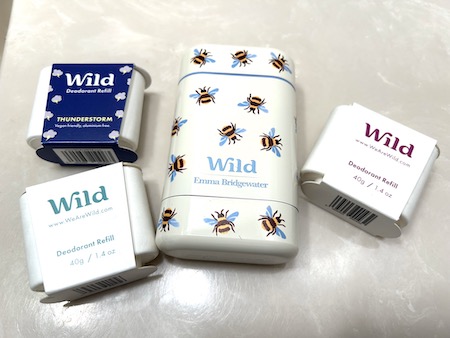

Deodorants and antiperspirants are among the most talked-about toxic products in the bathroom.
Traditional antiperspirants work by using aluminum compounds to block sweat glands. While that might keep your underarms dry, aluminum has been linked to potential health risks, including hormone disruption and concerns about its possible connection to breast cancer and Alzheimer’s disease. While the research is ongoing, many people choose to avoid it just to be safe.
In addition to aluminum, these products often contain parabens, triclosan, and synthetic fragrances. For me, the issue wasn’t just about toxins. It was also about skin sensitivity. I noticed irritation after using certain brands and later realized it was the chemical-heavy formulas causing it.
The natural deodorant market has grown a lot, and I’ve tried quite a few. Some didn’t work well at first, but it’s important to keep in mind that there’s often a detox period when you first switch. Once your body adjusts, it feels so much better to use something that isn’t packed with chemicals.
If you’re looking to make this swap, I recommend testing a few natural brands until you find one that works with your body chemistry. Some are baking-soda-free, which is great if you have sensitive skin.
Switching away from conventional antiperspirants has been one of the most empowering changes I’ve made, both for my health and for living more naturally.
5. Toothpaste


Toothpaste seems harmless. After all, it’s just for cleaning your teeth, right? However, conventional toothpaste can contain a surprising number of questionable ingredients.
Sodium lauryl sulfate (SLS) is one of the most common. It’s a foaming agent that can irritate gums and cause mouth sores in sensitive people.
Artificial sweeteners and dyes are another problem. They don’t add anything beneficial to your oral health and can introduce unnecessary chemicals.
Related: The Best Bamboo Toothbrush for a Healthy and Eco-Friendly Smile
When I first learned this, I realized how many years I had been brushing with products I thought were safe but were actually full of things I didn’t want in my mouth.
The good news is that there are lots of healthier alternatives now. Look for natural toothpaste brands that use safe ingredients like calcium carbonate, xylitol (a natural sweetener that can even help prevent cavities), and essential oils for flavor.
There are even toothpaste tablets that come in plastic-free packaging, which I love for travel. My teeth feel just as clean with these swaps, and I feel better knowing I’m avoiding unnecessary toxins.
6. Feminine Hygiene Products
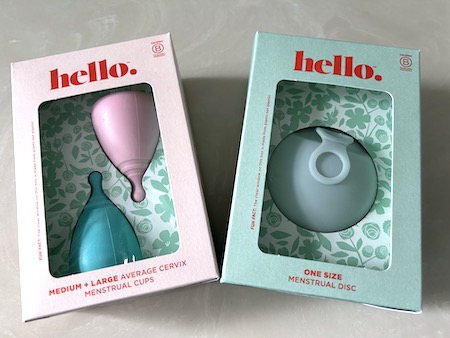

Pads and tampons are essentials for many of us. However, they’re often made with materials that aren’t so great for your health.
Most conventional products are made from bleached cotton and synthetic fibers, which can contain traces of dioxins from the bleaching process. Some brands even add fragrance, which is the last thing you want in such a sensitive area.
Another issue is waste. A single person can go through thousands of pads or tampons in their lifetime, most of which are wrapped in plastic and end up in landfills. I didn’t think much about this until I saw how much waste I was generating every month.
Safer alternatives include organic cotton pads and tampons that are free from chlorine bleach and synthetic fragrance. Reusable options like menstrual cups, period underwear, and cloth pads are also game-changers.
I’ll admit I was hesitant to try them at first. However, once I did, I realized how much more comfortable and eco-friendly they are. Not only do they reduce exposure to toxins, but they also save money over time.
Switching to safer menstrual products is one of the most impactful choices you can make for both your health and the planet. While it’s a deeply personal decision, once you find what works best for you, you’ll never want to go back to conventional options.
7. Shaving Cream and Razors


Shaving cream is one of those products many of us use without a second thought. Yet most commercial versions are packed with chemicals like parabens, synthetic fragrance, and propellants that can dry out and irritate the skin.
When you shave, your skin is already more vulnerable. So applying a layer of toxins isn’t ideal.
Disposable razors are another issue. Not only do they contain plastic that’s nearly impossible to recycle, but the metal blades are often coated with chemical lubricants.
Over a lifetime, the waste from disposable razors really adds up. I know I personally went through dozens every year before making the switch.
Related: How to Use a Safety Razor for Zero Cuts and Nicks While Shaving
A better alternative is to use a natural shaving soap or cream made with nourishing oils and butters. These provide just as much glide without the harsh chemicals.
You can make your own nourishing shaving gel at home using natural ingredients. Or, if you don’t have time to DIY, you can use one of these outstanding shave soap bars.
For razors, I can’t recommend a safety razor enough. They may feel intimidating at first, but they give a much closer shave, last for years, and generate almost no waste. Plus, replacement blades are cheap and recyclable.
8. Bathroom Cleaners


Bathroom cleaners are some of the most toxic products you’ll find in your home. Many contain bleach, ammonia, chlorine, and undisclosed fragrance blends that can irritate your skin, eyes, and lungs. That “clean” smell we’ve been conditioned to love is usually a cocktail of synthetic chemicals.
The scary thing is how much exposure we get from these cleaners in a small, poorly ventilated space like a bathroom. I used to get headaches after scrubbing my shower, and I didn’t realize it was the chemical fumes causing them.
On top of that, these cleaners wash down the drain and contribute to environmental pollution.
A much safer option is to use natural cleaning products or DIY solutions. Vinegar, baking soda, and Castile soap can tackle just about any bathroom mess. I make a simple all-purpose cleaner that works wonders on sinks, counters, and even mirrors.
If you prefer store-bought options, look for brands that are transparent about ingredients and free from chlorine, ammonia, and synthetic fragrances.
Switching to non-toxic cleaners doesn’t just protect your health. It also makes your home feel fresher. Once you get used to the clean scent of natural ingredients, you’ll never want to go back to the chemical-heavy stuff.
9. Vinyl Shower Curtains
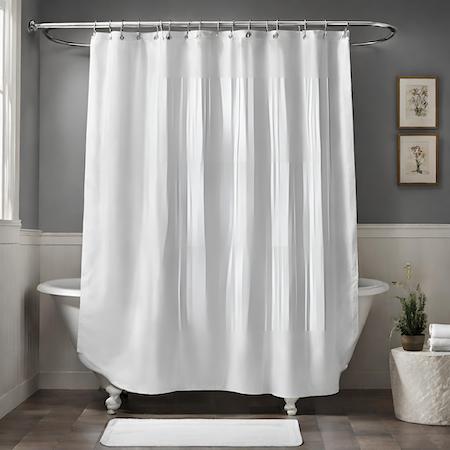

That “new shower curtain smell” is actually the scent of volatile organic compounds (VOCs) being released into your bathroom. Most vinyl shower curtains are made from PVC (polyvinyl chloride), which contains phthalates and other chemicals that off-gas over time.
Breathing in these fumes daily can affect your indoor air quality and potentially harm your health.
I learned this the hard way when I bought a cheap shower curtain years ago. The smell lingered for weeks. Every time I walked into the bathroom, it gave me a headache. That’s when I started researching what was really in them, and I was horrified.
The good news is there are safer alternatives. Look for cotton, linen, or hemp shower curtains with a natural wax coating for water resistance. There are also PEVA or EVA plastic options, which are considered safer than PVC because they don’t release the same harmful chemicals.
10. Air Fresheners and Candles


Air fresheners and candles are meant to make your bathroom smell pleasant, but most of them do so at a cost. Sprays, plug-ins, and paraffin wax candles release synthetic fragrances, phthalates, and VOCs into the air you breathe. That so-called fresh scent is usually anything but natural.
I used to rely on plug-in air fresheners to mask odors, but I always noticed they gave me headaches. Once I dug deeper, I realized it was the chemical fragrances affecting my indoor air quality.
Safer alternatives include essential oil diffusers, beeswax or soy candles scented with pure essential oils, and natural room sprays you can make yourself with water and essential oils. A little baking soda in a small dish can also help absorb bathroom odors naturally.
Related: The Best Non-Toxic Air Fresheners for Clean Scents and Clean Air
When I switched to natural air fresheners, I found that I didn’t just eliminate the toxins, I actually preferred the scents. Essential oils like lavender, eucalyptus, and citrus make the bathroom feel fresh without being overpowering.
Final Thoughts on the Most Toxic Items in the Bathroom


It’s eye-opening and honestly a little overwhelming to realize just how many of the most toxic items in the bathroom are products we use every single day. However, the good news is, once you start swapping them out one by one, it gets easier. You’ll also feel the difference in your health, your home, and even your peace of mind.
I didn’t toss everything all at once. Instead, I replaced each item as I ran out, choosing safer, more eco-friendly alternatives. That made the transition simple, budget-friendly, and totally doable.
Remember, you don’t have to be perfect to make a positive change. Even replacing just a few of the biggest offenders, such as your cleaners, deodorant, or shower curtain, can dramatically reduce your exposure to harmful chemicals. Plus, as a bonus, many natural swaps also cut down on waste and are better for the planet.
At the end of the day, your bathroom should be a space that helps you feel clean and refreshed, not a place filled with hidden toxins. By making mindful choices, you’re creating a healthier home environment for yourself and your family.
Start small, take it step by step, and celebrate each swap you make. It all adds up to a big difference!