
How to Reduce Microplastic Expsoure
How to Reduce Your Exposure to Microplastics
Microplastics are everywhere these days, including our food, our water, even the air we breathe. It’s honestly a little overwhelming when you first start learning about them. However, the good news is, there are simple steps you can take to reduce microplastic exposure and limit how many of these tiny plastic particles end up in your body and your home.
I’ve personally made a lot of these changes in my own routine, and I’ll share what has worked best for me along the way. Whether you’re just getting started with eco-friendly living or you’re already well on your way, this guide will help you make practical, manageable swaps to protect your health and the planet.
What Are Microplastics and Why Should You Care?

Microplastics are tiny plastic particles less than 5 millimeters in size, which is about the size of a sesame seed or smaller. They’re classified into two types: primary microplastics (like microbeads once used in beauty products) and secondary microplastics, which come from the breakdown of larger plastic items like bags, bottles, and synthetic clothing.
Over time, sunlight, wind, and water cause these larger pieces to fragment into microscopic bits that are incredibly difficult to clean up.
What’s alarming is how far-reaching microplastics have become. They’ve been found in oceans, rivers, soil, the air we breathe, and even snow in remote mountain regions.
Most concerning of all? They’ve been detected in human blood, lungs, breast milk, and even placentas. That means we’re likely consuming or inhaling microplastics every single day, often without even realizing it.
So why should you care? Although research is still ongoing, early studies suggest that microplastics can trigger inflammation, disrupt hormone systems, and carry harmful substances like phthalates, BPA, and heavy metals.
These toxic chemicals are known to affect reproductive health, metabolism, and even brain development. While there’s still a lot to learn, the evidence is strong enough that it’s worth taking steps to reduce our exposure, especially since so many of these changes are simple and low-cost.
I started looking into this when I realized how much plastic I was unconsciously using. What I found shocked me and inspired me to clean up not just my plastic habits, but my entire routine.
If you’d like to do the same, here are the some simple swaps you can make to reduce microplastic exposure and live a healthier more eco-friendly life!
1. Choose Natural Fabrics Over Synthetic Ones
Let’s start with your closet. If you’re wearing polyester, nylon, acrylic, or spandex, you’re basically wearing plastic.
These synthetic fibers are made from petroleum and don’t biodegrade. Every time you wash them, they shed tiny plastic microfibers into the water. In fact, a single load of laundry can release hundreds of thousands of microfibers into the wastewater system, and most treatment plants aren’t equipped to filter them out.
When I learned this, I started paying more attention to my clothing labels. I gradually began switching to natural fibers like organic cotton, hemp, bamboo, linen, and wool.
Related: Outstanding Eco-Friendly Clothes for Kids That Are Strong and Sustainable
Not only are they better for the planet, but they feel amazing on your skin and allow your body to breathe. I noticed less skin irritation, especially during the warmer months.
Natural fabrics also decompose much more quickly than synthetic ones, which means they won’t stick around in the environment for centuries to come once they reach the end of their useful life. They may cost a little more up front, but they last longer and wash better over time, which makes them a smart investment.
If the idea of overhauling your entire wardrobe sounds expensive or overwhelming (trust me, I get it), just start small. Focus on replacing the items you wear and wash the most often, such as socks, underwear, t-shirts, and workout clothes.
Thrift stores and secondhand apps are also great places to find natural fabrics on a budget. Every swap you make helps reduce the amount of plastic entering the environment and your body.
2. Use a Microfiber Filter or Laundry Bag
Even if you still own synthetic clothing (and let’s be honest, most of us do because they’re sometimes impossible to avoid), there’s an easy way to reduce the microplastics they shed: use a microfiber-catching tool when you do laundry.
Microplastic pollution from laundry is a massive issue. Those tiny fibers from synthetic fabrics don’t just disappear. Instead, they get flushed into wastewater systems and eventually make their way into oceans and rivers. Once there, they’re consumed by marine life and travel up the food chain.
I started using a Guppyfriend washing bag and Cora Ball a couple of years ago, and I was shocked at how much lint and fuzz it trapped. This is stuff that would have gone straight down the drain.
The bag works like a filter, collecting loose microfibers from synthetic clothes during the wash cycle. You just empty it out when you’re done and dispose of the fibers in the trash instead of letting them flow into waterways.
Another great option is installing a filter directly on your washing machine. While these filters are more of an upfront investment, they catch a much higher percentage of microfibers and don’t require you to change your laundry habits. These are especially helpful if you do a lot of laundry or have a household full of synthetic fabrics.
Whichever route you take, adding a microfiber-catching tool to your laundry routine is a small change that makes a big difference. It’s one of the easiest and most effective ways to reduce your microplastic exposure right from home.
3. Switch to Plastic-Free Food Storage

Your kitchen might be another hidden source of microplastic exposure, especially when it comes to food storage. Over time, plastic containers, zip-top bags, and plastic wrap can degrade and release tiny plastic particles into your food.
This happens at even higher levels when these items are exposed to heat or abrasion. Heating leftovers in plastic containers or storing acidic or oily foods in them can accelerate this process and increase the chances of microplastic contamination.
Once I learned about this, I made a gradual switch to safer, plastic-free options. Now my kitchen looks and feels so much better now.
Related: The Most Toxic Items in Your Kitchen and What to Use Instead
I use glass containers for leftovers and meal prep. Mason jars are another favorite of mine. They’re perfect for pantry staples, smoothies, and even freezing leftovers (just don’t fill them all the way to the top). I also swapped out plastic wrap for beeswax wraps and silicone lids, which are reusable and way less wasteful.
Silicone bags are a great alternative to plastic sandwich bags. I use them for snacks, freezing fruit and veggies, and packing lunches. They’re durable, dishwasher-safe, and don’t get that weird greasy feel that plastic bags tend to develop over time.
You don’t need to toss everything out and start from scratch. Just replace old or damaged plastic items as they wear out.
Over time, you’ll build a much safer, more sustainable food storage setup. It’s one of those changes that feels small but adds up to a big reduction in both plastic waste and exposure.
4. Avoid Bottled Water (and Filter Your Tap)
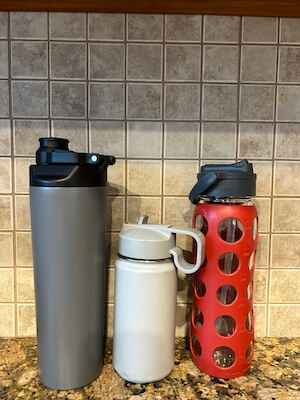
This one really surprised me when I first started researching microplastics. Bottled water has been shown to contain millions of microplastic and nanoplastic particles.
This is likely from both the bottling process and the plastic itself leaching particles over time. So while bottled water may seem like the “clean” option, it can actually be one of the biggest hidden sources of microplastic exposure.
These days, I avoid bottled water as much as possible and rely on a good quality water filter at home. Depending on your budget and setup, there are several types of filters that help reduce microplastics. Reverse osmosis systems are among the most effective, followed by activated carbon and ion exchange filters.
When you’re on the go, bring a reusable stainless steel or glass water bottle instead of grabbing a single-use plastic one. If you’re concerned about water quality while traveling, portable filter bottles are a great option.
With a couple of smart swaps, you can drastically cut down your microplastic intake and save money at the same time.
5. Say No to Single-Use Plastics
Single-use plastics are some of the most wasteful and problematic items in our everyday lives. Sure, they’re convenient, but they break down quickly, shedding microplastics into the environment and our bodies.
Things like plastic cutlery, straws, food wrappers, takeout containers, and grocery bags are designed to be used for just minutes, but they stick around for hundreds of years.
Over time, these items break apart into smaller and smaller pieces, ending up in our oceans, soil, and drinking water. What’s worse is that we’re often in direct contact with these plastics while eating or drinking, which increases our chances of ingesting microplastic particles. Once I started paying attention, I realized just how often I was using plastic without even thinking about it.
Now, I keep a few zero-waste essentials with me so I’m always prepared. A reusable tote bag, collapsible silicone straw, bamboo utensils, and a collapsible food container fit right in my purse or car. I also try to support local businesses that offer plastic-free or compostable packaging.
At home, I’ve swapped out plastic wrap for beeswax wraps, plastic baggies for silicone pouches, and disposable plates and utensils for reusable options. If you’re hosting a party or event, compostable or reusable dishware is a great alternative.
Saying no to single-use plastics isn’t just about reducing waste. It’s also a direct way to reduce your microplastic exposure. Start with one habit at a time, and you’ll be surprised how quickly those little changes become second nature.
6. Be Picky About Personal Care Products
Personal care items might not be the first thing that comes to mind when you think about microplastics. However, they’re a surprisingly common source.
Microbeads, which were once widely used in facial scrubs, body washes, and even toothpaste, are a well-known culprit. While they’ve been banned in many countries, not all products are free from them.
Plus, microplastics don’t just show up in the ingredients. They’re often hiding in the packaging, too.
When I started checking labels more closely, I noticed a few common red flags. Ingredients like polyethylene (PE), polypropylene (PP), or acrylates are forms of plastic that can show up in everything from lotions to mascara.
They’re used to add texture, make products waterproof, or help them stick to your skin. However, they can also be absorbed or washed down the drain.
Related: How to Make Your Own Sustainable and Natural Eco Beauty Products
My first swap was switching to a natural face scrub made with things like sugar, ground oats, or walnut shells instead of plastic beads. Then I started replacing plastic-heavy products with those packaged in glass, metal, or paper.
Shampoo bars and conditioner bars, toothpaste tablets, refillable deodorants, and even solid lotion bars have been game changers in my routine.
When you’re shopping, look for labels that say “microplastic-free,” “zero waste,” or “plastic-free packaging.” Supporting brands that are transparent about their ingredients and packaging choices helps push the industry in the right direction.
Plus, as an added bonus, these products are often gentler on your skin and better for your overall health, too!
7. Rethink Tea Bags and Food Packaging

I used to love unwinding with a warm cup of tea, until I found out that many tea bags are sealed with plastic and can actually release billions of microplastic particles when steeped in hot water. Yikes!
It’s not something most of us think about, yet traditional tea bags often contain polypropylene to help them hold their shape and stay sealed. The heat from your boiling water can cause those particles to leach right into your drink.
Now, I stick with either loose-leaf tea and a stainless steel infuser or plastic-free tea bags. It’s such an easy swap, and the flavor is often better too.
The same goes for food packaging. Many convenience foods and snacks come wrapped in layers of plastic that can break down over time or when exposed to heat (like in the microwave or dishwasher). I’ve started buying more of my pantry staples that come in glass jars, metal tins, or cardboard boxes.
Frozen foods are another sneaky source. When possible, batch-cook meals and freeze them in reusable containers instead.
It’s a little extra effort, but it cuts down on both packaging waste and potential exposure. Small changes like these add up fast, especially when it comes to what we put in our bodies every day.
8. Dust and Vacuum Regularly
Microplastics don’t just lurk in your water and food. They’re also floating around in the dust inside your home.
Household dust can contain synthetic fibers from your clothes, upholstery, carpets, and even household plastics as they degrade over time. When you breathe in this dust, you’re unknowingly inhaling microplastics, which may settle deep in your lungs.
I was surprised to learn just how much microplastic pollution exists indoors. Synthetic textiles shed tiny fibers as we move, sit, and even sleep. These fibers settle on surfaces and mix with dust, contributing to indoor air pollution. Dust can also land on food or utensils, increasing the risk of ingestion.
One of the best ways to keep microplastic dust under control is regular cleaning, but with some smart tweaks.
Related: The Comprehensive Cleaning Planner You Need to Create the Perfect Cleaning Schedule
Using a vacuum with a HEPA filter traps very fine particles rather than blowing them back into the air. It’s worth investing in a good vacuum or an attachment that’s designed for fine dust if you can. For dusting, use a damp cloth instead of dry dusters that tend to spread particles around.
Opening windows whenever possible also helps to circulate fresh air and reduce indoor pollutants. Also, if you’re in the market for new textiles or furniture, choosing natural fibers and materials means less synthetic fiber shedding inside your home.
While it’s impossible to eliminate microplastics completely, these cleaning habits can significantly reduce the amount you’re exposed to indoors, making your home a healthier place to live.
9. Feed Your Family with Fewer Plastics
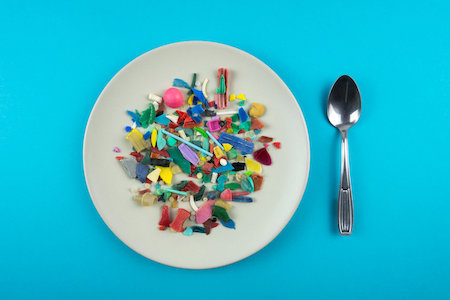
If you have kids (or care about the little ones in your life) reducing microplastic exposure at home is even more important.
Children’s bodies are still developing, and they may be more vulnerable to the effects of toxic chemicals often attached to microplastics. Plus, kids tend to put things in their mouths more frequently, increasing their risk of ingesting plastics.
One of the easiest changes you can make is swapping plastic plates, cups, and utensils for safer alternatives. I love using stainless steel or bamboo kids’ utensils and durable silicone plates and cups. These options are dishwasher safe, long-lasting, and free from BPA, phthalates, and other harmful chemicals.
Food choices matter too. Ultra-processed foods often come wrapped in plastic or stored in plastic containers, increasing the chance of microplastic contamination. Cooking from scratch with fresh, whole ingredients is a great way to reduce reliance on packaged foods and control what goes into your family’s meals.
When it comes to snacks and drinks, I try to avoid single-use plastic packaging. For school lunches, reusable snack and sandwich bags and stainless steel containers help cut down on waste and plastic exposure.
By making these small changes, you’re not only protecting your family’s health but also teaching children the importance of sustainable and mindful living.
10. Support Microplastic-Free Brands
Supporting brands that prioritize sustainability and microplastic reduction is one of the most powerful things you can do, not just for your own health but for the planet as well. When you choose companies that use eco-friendly materials, avoid plastic packaging, and maintain transparency about their production practices, you’re voting with your dollars for a cleaner, safer future.
I’ve spent time researching and testing different brands to find those genuinely committed to reducing microplastic pollution. Look for certifications like B Corp, cruelty-free, or those that emphasize zero-waste packaging and biodegradable materials.
Many small, indie brands are leading the way here with innovative packaging alternatives like compostable mailers, glass containers, or reusable pouches.
Shopping local or from zero-waste stores is another way to reduce your microplastic exposure and plastic waste overall. Bulk shopping without plastic packaging means fewer plastics entering your home and less chance for microplastic contamination in your food.
When you find brands you trust, stick with them and share your discoveries with friends and family to spread awareness.
Remember, every purchase is a vote for the kind of world you want to live in. Supporting microplastic-free brands helps push the entire industry toward safer, cleaner options and motivates larger companies to improve their practices.
Reduce Microplastic Exposure by Starting Small and Building From There
When it comes to reducing microplastic exposure, the biggest mistake I see people make is thinking it requires a complete lifestyle overhaul overnight. The truth is, every small change counts. Starting with one or two manageable swaps is the best way to build lasting habits.
I began by switching just a couple of items in my routine. From there, I slowly transitioned to natural fabrics, plastic-free food storage, and more mindful shopping choices. It wasn’t perfect, and I didn’t do it all at once. However, those small steps added up to a big difference over time.
The goal isn’t perfection; it’s progress. As you learn and grow, you’ll find which swaps feel natural for your lifestyle and budget. Celebrate the wins, no matter how small, and don’t stress about setbacks. Reducing your microplastic exposure is a journey, not a sprint.
If you can commit to being aware and making intentional choices, you’re already on the right path. Remember: your efforts protect your health, your family, and the planet for generations to come.


