What Is SLS?
Have you ever flipped over a bottle of shampoo or dish soap and wondered, what is SLS and why is it in so many everyday products? If you’re anything like me, you probably want to understand exactly what you’re bringing into your home, especially when you’re trying to live a more sustainable and low-tox lifestyle.
The tricky part is that SLS sounds like one of those confusing chemical ingredients that manufacturers never really explain.
When I first started digging into it, I realized that understanding SLS is actually a game-changer, especially if you’re trying to reduce irritants and make more eco-friendly choices. In this post, we’ll walk through what it is, why it’s used, and how it may impact both your health and the environment.
My hope is that by the end, you’ll feel empowered to read labels with more confidence and find cleaner swaps that work for you and your family. So, let’s dive in and make sense of this slippery little ingredient together.
What Exactly Is SLS?
If you’ve ever looked at the back of your shampoo bottle or toothpaste tube and spotted the words “sodium lauryl sulfate,” you’re looking at SLS. It’s a surfactant, which simply means it helps water mix with oil and dirt so everything rinses away more easily.
In other words, SLS lowers the surface tension of water and creates that satisfying lather most of us grew up believing means “clean.” The tricky part is that SLS is often talked about like it is a mysterious, intimidating chemical, even though its main job is actually pretty simple.
SLS is usually derived from either petroleum or coconut oil. That makes things a little confusing because “coconut derived” can sound natural and harmless, while “petroleum derived” feels like the opposite.
In reality, both versions go through a lot of processing before becoming the fluffy foam in your products. This processing is where some of the concerns begin, especially if you’re trying to keep your home as natural and low tox as possible.
Understanding what SLS is helps you make more informed choices. It’s not about fear or guilt. It’s about feeling confident when you pick up a bottle and read the label.
Once I learned what SLS actually does, it was easier to decide where I felt comfortable using it and where I preferred to switch to gentler, more sustainable alternatives. You get to do the same. Knowledge really is power when it comes to choosing what you bring into your home.
Why Companies Use SLS in Everyday Products


The reason you see SLS in everything from bubble bath to dish soap to toothpaste really comes down to one thing. It works.
SLS is extremely good at lifting dirt and oils, creating dramatic foam, and giving that instant slip and slide that makes a product feel effective.
Manufacturers love it because it’s inexpensive, reliable, and easy to work with in large batches. When a company wants a product to lather quickly and rinse cleanly, SLS often ends up on the ingredient list.
There’s also a behavioral factor. Companies know that most of us associate bubbles with cleanliness. Even though foam isn’t what actually cleans your skin or dishes, it’s the sensory cue we have been taught to trust.
Related: How to Make Your Own Effective Homemade Dish Soap
Studies have actually shown that if a product doesn’t lather, we tend to feel like it’s weak, watered down, or not working. SLS solves that marketing problem instantly.
For sustainable living enthusiasts like ourselves, this is where things get interesting. Companies rely on SLS because consumers expect certain textures and sensations. As more people shift toward gentler ingredients, we’re seeing new formulas that clean effectively without harsh surfactants.
SLS isn’t inherently evil, but it’s not essential either. Once you understand why companies use it, you can decide whether you want to keep it in your home or begin exploring cleaner, more eco-friendly options.
Is SLS Dangerous for You and Your Family?
Safety questions around SLS can feel overwhelming because you’ll find very strong opinions on both sides. Some people claim SLS is completely harmless, while others say it causes everything from skin irritation to long term health concerns.
The truth lies somewhere in the middle. SLS is considered safe for use in cosmetics and cleaning products by many regulatory bodies, but that doesn’t automatically mean it’s the best choice for you.
One of the most common issues people experience is irritation. SLS can be harsh on the skin, especially if you have eczema, dryness, or sensitivity. It can strip away natural oils, leaving your skin feeling tight or itchy.
This is also true for hair. SLS may cause dryness or frizz because it’s such a strong degreaser.
Related: Itchy Scalp? One of These Top Sustainable Shampoos Can Help!
If you have sensitive gums, SLS in toothpaste can sometimes worsen canker sores. These reactions vary widely from person to person, which is why your own experience matters more than any general guideline.
Long term safety is still debated. Some concerns come from contamination risks during manufacturing, specifically with a compound called 1,4 dioxane. This isn’t intentionally added but can appear as a byproduct in some formulas.
Reputable companies often remove it, but not all do. If your goal is a cleaner home with safer ingredients, avoiding SLS can help minimize that risk.
How SLS Affects the Environment

When you care about sustainable living, looking at an ingredient’s impact beyond your household is just as important as thinking about its effect on your skin. SLS tends to break down in the environment faster than some other synthetic chemicals, which is one of its redeeming qualities. However, the story isn’t completely straightforward.
Production plays a big role. If SLS is derived from petroleum, there’s an environmental footprint related to fossil fuel extraction and processing.
If it’s derived from coconut oil, it may still contribute to monocrop agriculture, which affects soil health, habitat diversity, and local ecosystems. Even coconut based ingredients aren’t automatically sustainable unless they come from responsibly sourced farms.
Once SLS enters waterways, it can still cause temporary harm. Surfactants can reduce surface tension in streams and ponds, which affects the organisms living there.
High concentrations can be toxic to aquatic life, especially small fish and invertebrates. Water treatment plants typically break it down, but older or overloaded systems may not be as effective.
Packaging is another factor. Many products containing SLS come in single use plastic bottles, which creates additional waste. Choosing SLS free brands often leads to discovering companies that focus on refill systems, biodegradable packaging, or zero waste options.
SLS vs. SLES, ALS, and Other Surfactants
Once you start learning about SLS, you quickly realize there’s an entire family of similar sounding ingredients. SLES, ALS, ALES, and others often pop up in place of SLS, which can make label reading feel like decoding a secret language. Let’s break it down in a simple way so you feel confident sorting out the differences.
SLES, also known as sodium laureth sulfate, is often marketed as a gentler alternative to SLS. It creates a creamy, rich foam and can feel less harsh on the skin.
However, it goes through a process called ethoxylation, which can create contamination risks with 1,4 dioxane. That doesn’t mean it’s always unsafe, but it does mean quality matters.
ALS, or ammonium lauryl sulfate, is similar to SLS in how it behaves. Some people find it slightly less irritating, while others react the same way. ALES, ammonium laureth sulfate, is basically the ethoxylated version of ALS, and shares similar concerns to SLES.
You may also see surfactants like cocamidopropyl betaine, decyl glucoside, or sodium cocoyl isethionate. These tend to be milder and more environmentally friendly. They’re often used in natural or low tox products because they cleanse without stripping your skin barrier.
Where You’ll Commonly Find SLS in Your Home


Once you start looking for SLS, you’ll notice it everywhere. It tends to hide in plain sight, especially in products we use daily without a second thought.
The most common place you’ll find it is in personal care items. Shampoos, body washes, facial cleansers, and toothpaste frequently use SLS for quick, satisfying foam.
Cleaning products are another big category. Dish soap, laundry detergents, and multipurpose sprays often rely on SLS because it helps break down grease and grime. You might also find it in bubble bath, shaving cream, and even some makeup products.
Many people are surprised to discover SLS is even in baby products. Baby shampoo, gentle cleansers, and bubble bath often include it, even though little ones tend to have more delicate skin. This is a big reason many parents choose to go SLS free once they learn more about the ingredient.
You may also see SLS in less obvious places like car washing solutions, pet shampoos, and household degreasers. If you love a good foamy clean, chances are SLS is playing a role.
Knowing where SLS shows up helps you choose where to swap first. Some people start with toothpaste because it’s easy. Others decide to start by switching shampoo or body wash. You get to decide which swaps best fit your lifestyle and budget, one small step at a time.
How to Tell if a Product Contains SLS
Reading labels can feel like a chore, especially when ingredient lists are long and full of terms that sound like they belong in a chemistry lab. The good news is that spotting SLS is easier than spotting many other ingredients because it usually appears under its full name.
Look for “sodium lauryl sulfate” on the list. If it’s near the top, that means the product contains a higher concentration of it.
Sometimes, companies use alternative names. These may include “sulfate,” “sulphate,” or abbreviations like “SLS.” If you see anything with “lauryl sulfate” in the name, there’s a good chance the product contains it.
You can also look for marketing clues. Many brands now proudly state “SLS free,” “sulfate free,” or “gentle surfactant formula” right on the front label.
Keep in mind that terms like “natural,” “clean,” or “eco-friendly” doesn’t guarantee the formula is free of harsh surfactants because these terms are completely unregulated. The only way to know for sure is to check the ingredients.
If you like shopping online, ingredient lists are usually available in the product description. Some apps can help you scan and interpret ingredients, but they’re not perfect. Your own knowledge is the most reliable tool.
The more you practice checking labels, the easier it becomes. Soon you’ll be able to identify SLS at a glance and choose products that feel safer and more aligned with your sustainable lifestyle.
Natural and Non-Toxic Alternatives to SLS

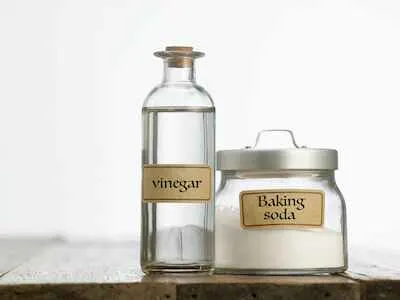
If you’re looking to switch to gentler products, you’ll be happy to know there are plenty of effective alternatives to SLS.
Many natural surfactants clean beautifully without the harshness. These include ingredients like decyl glucoside, coco glucoside, sodium cocoyl isethionate, and cocamidopropyl betaine. They come from plant sources and are generally milder on the skin.
You’ll often find these in natural shampoos, body washes, and gentle cleansers. They produce less foam, but they still clean just as well.
This can take a little adjustment, especially if you love a bubbly lather. Once you get used to it though, you may find that your skin and hair feel healthier and more balanced.
For cleaning products, Castile soap is a favorite. It’s made from plant oils, works on almost any surface, and is biodegradable. Many eco-friendly brands use coconut based surfactants that mimic the cleaning power of traditional detergents without the environmental downside.
Other alternatives include soap nuts, DIY laundry detergent, and vinegar-based cleaning sprays. These options are simple, effective, and safe to use around kids and pets.
Switching to SLS free products doesn’t mean sacrificing performance. It simply means choosing ingredients that work with your body and the environment rather than against them.
What to Look for When Choosing Low-Tox Cleaning and Personal Care Products
Shopping for cleaner products can feel overwhelming when every label claims to be natural or safe. The best approach is to look for a few key markers that show a brand is truly committed to gentle, sustainable ingredients.
Start by reading the ingredient list. Look for plant-based surfactants, simple formulas, and clear language. When companies hide behind vague terms, it’s usually a red flag.
Check for certifications like EWG Verified, Green Seal, or USDA Organic. These don’t guarantee perfection, but they do show that the product has met some important safety standards.
Packaging is another great clue. Brands that care about ingredient safety often care about waste reduction too. Refillable systems, glass bottles, and minimal plastic packaging are all positive signs.
Pay attention to your skin’s response. Even natural ingredients can irritate if they’re not right for your body.
If something leaves you dry, itchy, or uncomfortable, consider switching to a different formula. Your body gives you valuable feedback.
It also helps to support small, eco-conscious brands. These companies usually prioritize transparency and ingredient quality because they’re built by people who genuinely care about health and sustainability.
Choosing low tox products is a journey, and you don’t need to replace everything at once. Start with the items you use every day, then slowly work your way through the rest of your home. Each swap is progress toward a healthier, more sustainable lifestyle.
Final Thoughts: Making SLS-Free Living Work for You
Switching to an SLS free lifestyle isn’t about perfection. It’s about making mindful choices that support your health, your home, and the planet.
Once you understand what SLS is, where it shows up, and how it affects you, it becomes so much easier to decide which swaps feel right. You don’t have to throw away everything you own. You can take this at your own pace.
Every small change counts. Maybe you start with toothpaste or shampoo. Maybe you switch your dish soap next. Those little steps add up, especially when you choose products that align with your values and feel good to use.
Remember that your journey will look different from mine or anyone else’s. Your skin, your budget, and your priorities are unique.
Give yourself permission to choose the options that work best for your family. The goal isn’t to eliminate every ingredient forever. The goal is to become more aware and confident in your choices.
By exploring SLS-free living, you’re creating a healthier home and supporting brands that prioritize safety and sustainability. That ripple effect matters more than you realize.
You deserve a home filled with products that make you feel good, smell good, and support your long term well-being. I’m cheering you on as you take this next step toward a cleaner, more intentional lifestyle!


