The Herbs to Help Boost Your Immune System
Give Your Immune System a Natural Boost With These Powerful Herbs
Wouldn’t it be nice if you could give your body a little extra support simply by reaching into your herb garden or spice cabinet? As it turns out, some of the best herbs to boost your immune system have been used for centuries in traditional herbal remedies, and you might already have a few of them growing in your backyard!
When cold and flu season rolls around, I’m always looking for simple, natural ways to support my family’s health. While there’s no magic herb that can guarantee you won’t get sick, certain herbs contain beneficial plant compounds, antioxidants, and other nutrients that may help support healthy immune function.
The best part is that you don’t need an elaborate herbal medicine cabinet to get started. Many immune-supporting herbs are surprisingly easy to grow, and you can enjoy them in everything from soothing herbal teas to homemade soups and other everyday recipes.
Whether you’re hoping to make better use of your herb garden, explore natural wellness remedies, or simply add more beneficial plants to your daily routine, I’ve got you covered!
Let’s explore some of the best herbs for immune system support, what makes each one special, and how you can easily incorporate them into your life.
1. Echinacea

If you’re looking for an herb that’s practically synonymous with immune support, echinacea is a great place to start. This beautiful flowering plant has been used in traditional herbal remedies for generations, especially during cold and flu season.
Echinacea contains beneficial plant compounds, including antioxidants and polysaccharides, that may help support your body’s natural immune defenses. Some research suggests that echinacea supplements may slightly reduce your chances of catching a cold, although results are mixed.
Related: How to Make a Homemade Herbal Shower Steamer
One of my favorite things about echinacea is that you can grow it right in your own garden. Its gorgeous purple flowers attract pollinators, making it a wonderful addition to an eco-friendly landscape.
You can find echinacea in teas, tinctures, and supplements. Just remember that different preparations have different strengths, and echinacea isn’t suitable for everyone, especially people with certain allergies.
2. Elderberry
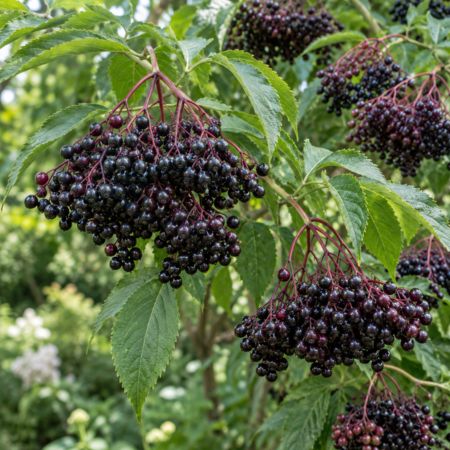
Elderberry has become one of the most popular natural remedies for cold and flu season, and it’s easy to see why. These small, dark purple berries are packed with anthocyanins, which are powerful antioxidants that help protect your cells from oxidative stress.
Elderberries have a long history of traditional use for seasonal wellness. Some small studies suggest that elderberry preparations may help shorten certain respiratory symptoms, although larger, higher-quality studies are needed.
If you enjoy making homemade herbal remedies, elderberries are often used in syrups, teas, and other preparations.
However, there’s one important safety precaution you should know. Raw or improperly prepared elderberries, along with the leaves and stems, can contain toxic compounds that cause illness. Always use properly processed elderberry products and follow reliable preparation instructions.
3. Astragalus

Astragalus might not be as familiar as some of the other herbs on this list, but it’s been a staple in traditional Chinese medicine for centuries.
This herb comes from the root of the astragalus plant and contains beneficial compounds, including polysaccharides, flavonoids, and saponins. Researchers are studying how these compounds interact with the immune system.
One interesting thing about astragalus is that it’s traditionally used as a nourishing herb for long-term wellness rather than just when you’re feeling under the weather.
You can find dried astragalus root in herbal shops, where it’s sometimes added to soups and broths. It’s also available in teas and supplements.
Keep in mind that astragalus may interact with medications, particularly immunosuppressants, so check with your healthcare provider before using it medicinally.
4. Ginger

If there’s one herb I always love having on hand, it’s ginger. This warming, flavorful root is incredibly versatile, and it offers more than just a delicious kick to your favorite recipes.
Ginger contains gingerols and other natural compounds known for their antioxidant and anti-inflammatory properties. While research hasn’t established that ginger directly boosts your immune system, these compounds may contribute to your overall health.
One of the easiest ways to enjoy ginger is by making a soothing cup of homemade ginger tea. Simply steep a few slices of fresh ginger in hot water, then add a little lemon or honey if you’d like.
You can also add fresh ginger to soups, stir-fries, smoothies, and homemade salad dressings.
If you enjoy gardening, you might be surprised to learn that ginger can be grown at home in containers or warm climates!
5. Turmeric
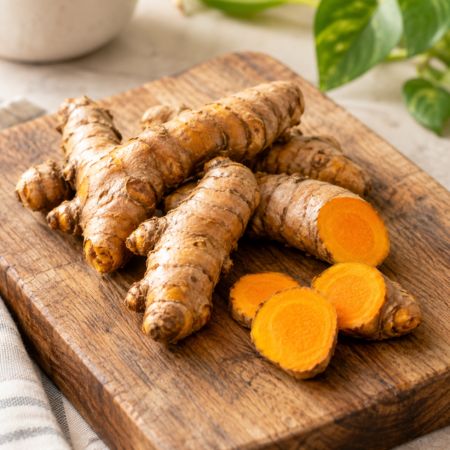
You probably recognize turmeric as the vibrant golden spice that gives curry its beautiful color. However, did you know this popular kitchen staple has also been used in traditional wellness practices for centuries?
Turmeric contains curcumin, a natural compound studied for its antioxidant and anti-inflammatory properties. Although these properties are promising, there isn’t enough evidence to say that eating turmeric will directly strengthen your immune system or prevent infections.
Fortunately, turmeric is incredibly easy to incorporate into your everyday meals. You can sprinkle it into soups, add it to roasted vegetables, blend it into smoothies, or make a comforting cup of golden milk.
I especially love that turmeric is another plant you can grow in a warm-climate garden.
Using turmeric as a culinary spice is generally safe, but concentrated curcumin supplements can have side effects and medication interactions.
6. Garlic
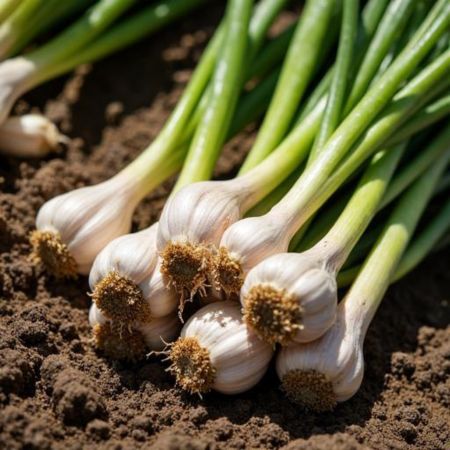
If you love cooking with fresh garlic as much as I do, you’ll be happy to know this flavorful kitchen staple offers more than just delicious flavor.
Garlic contains sulfur compounds, including allicin, which forms when you chop or crush fresh garlic. These compounds have antioxidant properties and are being studied for their potential effects on immune function.
Fortunately, incorporating garlic into your daily routine couldn’t be easier! Add it to homemade soups, roasted vegetables, pasta sauces, and salad dressings.
You can even grow your own garlic at home, making it a wonderful addition to your sustainable kitchen garden.
Just remember that concentrated garlic supplements can interact with certain medications, particularly blood thinners.
7. Oregano
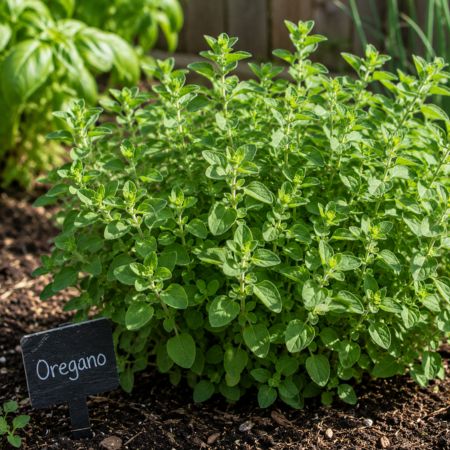
You probably already have oregano tucked away in your spice cabinet, but this familiar culinary herb has some interesting health benefits worth exploring.
Oregano contains powerful plant compounds, including carvacrol and thymol, that have antioxidant and antimicrobial properties in laboratory studies.
Although these findings are promising, there isn’t enough research to show that eating oregano prevents infections or directly boosts your immune system. Still, oregano is a delicious way to add beneficial plant compounds to your meals.
I love using fresh oregano in homemade pasta sauces, vegetable dishes, soups, and Mediterranean-inspired recipes. You can also dry the leaves to enjoy your harvest throughout the year.
Best of all, oregano is a hardy, low-maintenance perennial that’s easy to grow in a sunny herb garden or container.
For everyday use, stick with culinary amounts rather than concentrated oregano oil, which can cause irritation and other side effects.
8. Thyme

Thyme might be a tiny herb, but it certainly deserves a place in your garden and kitchen.
This fragrant Mediterranean herb contains thymol, rosmarinic acid, and other plant compounds with antioxidant properties. Thyme has also been used traditionally in herbal preparations to soothe coughs and support respiratory comfort.
One of my favorite ways to enjoy thyme is by adding fresh sprigs to homemade vegetable soups, roasted potatoes, and savory stews. You can also steep the leaves in hot water to make a comforting herbal tea.
If you’re interested in growing your own medicinal herbs, thyme is an excellent choice. It thrives in sunny locations with well-draining soil and requires relatively little maintenance once established.

9. Rosemary

Rosemary is one of those herbs I think every home gardener should consider growing. Not only does it smell amazing, but it’s also incredibly versatile in the kitchen.
This aromatic evergreen herb contains beneficial antioxidants, including rosmarinic acid and carnosic acid, which help protect cells from oxidative stress.
Researchers are also studying rosemary’s anti-inflammatory properties, although there isn’t enough evidence to conclude that consuming rosemary directly improves immune function. Fortunately, you don’t need anything fancy to enjoy this herb.
Related: The Best Herbs You Can Easily Grow Indoors
Simply add fresh rosemary to roasted vegetables, homemade bread, soups, or your favorite savory dishes. You can also dry the leaves to keep your pantry stocked.
Rosemary is particularly appealing for sustainable gardening because it’s a drought-tolerant perennial once established. Give it plenty of sunshine and well-draining soil, and you can enjoy fresh sprigs for years!
10. Sage

Sage is another wonderful culinary herb with a long history of traditional medicinal use.
Its soft, silvery-green leaves contain antioxidants and beneficial plant compounds, including rosmarinic acid and various flavonoids. These compounds have attracted researchers interested in sage’s potential anti-inflammatory effects. Sage has also traditionally been used in teas and gargles to soothe irritated throats.
If you already grow sage in your herb garden, you have plenty of delicious ways to enjoy it!
Try adding fresh leaves to roasted vegetables, homemade stuffing, savory breads, or comforting fall soups.
Sage is also a beautiful addition to a sustainable herb garden because it’s a perennial that attracts pollinators when allowed to flower.
One important precaution: common sage contains thujone, so avoid consuming large amounts or using concentrated sage essential oil internally.
11. Holy Basil (Tulsi)

If you’ve never heard of holy basil, also known as tulsi, this fragrant herb is definitely worth getting to know.
Holy basil has been used in traditional Ayurvedic medicine for centuries and is especially valued for its potential to support overall wellness and help the body manage stress.
This aromatic herb contains beneficial plant compounds, including eugenol, rosmarinic acid, and other antioxidants. Researchers are studying its effects on inflammation and immune function, although more human studies are needed.
One of the easiest ways to enjoy holy basil is by brewing a warm, comforting cup of herbal tea. Its slightly peppery, clove-like flavor makes it a delicious addition to your tea collection.
You can also grow holy basil in a sunny garden or container during warm weather.
If you’re pregnant or taking medications, check with your healthcare provider before using tulsi medicinally.
12. Lemon Balm

If you love growing herbs that smell wonderful and have multiple uses, lemon balm deserves a spot in your garden!
This cheerful member of the mint family has a refreshing lemony scent and contains beneficial plant compounds, including rosmarinic acid, that have antioxidant properties.
Related: The Best Body Cooling Herbs for Hot Summer Days
Lemon balm is traditionally used to promote relaxation and ease occasional stress. Since chronic stress can affect normal immune function, finding healthy ways to unwind is an important part of supporting your overall wellness.
I especially enjoy the idea of steeping fresh lemon balm leaves in hot water for a calming evening tea. You can also add the leaves to fruit salads or refreshing summer drinks.
Just remember that lemon balm spreads enthusiastically, so growing it in a container can help keep it under control.
13. Peppermint

There’s something incredibly comforting about a warm cup of peppermint tea, especially when you’re feeling a little under the weather.
Peppermint contains menthol, which gives the herb its familiar cooling sensation, along with antioxidant compounds such as rosmarinic acid.
Although peppermint hasn’t been shown to directly strengthen your immune system, its soothing aroma and refreshing flavor make it a popular choice during cold and flu season.
Related: Medicinal Herbs That Can Naturally Boost Energy
One of my favorite things about peppermint is how easy it is to use. Simply steep fresh or dried leaves in hot water for a delicious herbal tea. You can also add peppermint to homemade iced tea, fruit salads, and other refreshing recipes.
If you’re planning to grow peppermint, I recommend keeping it in a container. Like many members of the mint family, it can quickly take over a garden bed.
14. Calendula
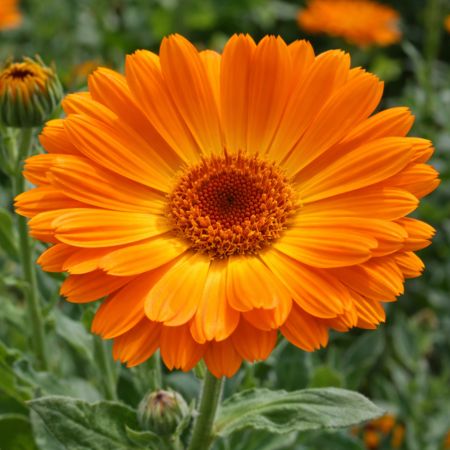
Calendula is one of those beautiful herbs that offers benefits for both your garden and your natural wellness routine.
Also known as pot marigold, calendula produces cheerful orange and yellow flowers that attract beneficial pollinators.
The flowers contain flavonoids, carotenoids, and other plant compounds with antioxidant and anti-inflammatory properties.
Related: Herbal Poison Ivy Remedies to Ease the Itch
Calendula has traditionally been used in herbal preparations to soothe irritated skin and support minor wound care. If you enjoy making homemade herbal products, you might already be familiar with calendula-infused oils, salves, and balms.
You can also use food-grade calendula petals to add a splash of color to salads or herbal tea blends.
I especially love that calendula is relatively easy to grow from seed, making it a wonderful addition to a sustainable herb garden.
15. Moringa

Moringa might not be as familiar as some of the other herbs on this list, but this nutrient-rich plant has earned plenty of attention in the natural wellness world!
Often called the miracle tree, moringa produces edible leaves containing vitamins, minerals, and beneficial antioxidants.
These nutrients contribute to overall health, and some, including vitamins A and C, play important roles in maintaining normal immune function.
Related: The Best Medicinal Trees You Can Grow in Your Yard
One of the easiest ways to enjoy moringa is by adding food-grade moringa leaf powder to smoothies, soups, or other recipes. The fresh leaves can also be cooked like spinach.
If you live in a warm climate, you may even be able to grow your own moringa tree.
For everyday use, stick with food-grade leaves rather than medicinal preparations made from the roots or bark.
Give Your Immune System a Boost With Nature’s Herbs

Supporting your immune system doesn’t have to be complicated or expensive. Sometimes, it’s as simple as adding a handful of fresh herbs to your favorite meal, sipping a comforting cup of herbal tea, or growing a few beneficial plants in your backyard.
From familiar kitchen staples like garlic, ginger, and oregano to traditional medicinal favorites like echinacea and elderberry, there are plenty of wonderful herbs to explore. While no single herb can guarantee you won’t get sick, many contain antioxidants and other beneficial compounds that can complement a healthy lifestyle.
One of the things I love most about these herbs is that so many are easy to grow yourself. Starting a small herb garden is a fantastic way to save money, reduce packaging waste, and keep fresh ingredients right at your fingertips.
Of course, herbs work best alongside other healthy habits, including eating a balanced diet, getting enough sleep, staying active, and managing stress.