Homesteading Skills You Can Learn During the Winter
Winter Is the Perfect Time to Grow Your Homesteading Skills
When the garden is sleeping and the temperatures start to drop, you might think it’s time to put your homesteading dreams on hold. However, some of the most useful homesteading skills you can learn during the winter don’t require a garden, warm weather, or even a lot of outdoor space!
In fact, winter is one of my favorite times to slow down, get creative, and focus on the skills that often get pushed aside during the busy growing season. There are so many ways to become more self-sufficient while staying warm and cozy indoors.
Plus, here’s the best part: You don’t need to live on a sprawling homestead or have years of experience to get started. Whether you’re just beginning your homesteading journey or looking to expand your skills, winter offers the perfect opportunity to learn something new, save money, and embrace a more sustainable lifestyle.
So, let’s explore some practical and rewarding homesteading skills that will help you make the most of the colder months and prepare for a more self-sufficient year ahead!
1. Baking Bread From Scratch
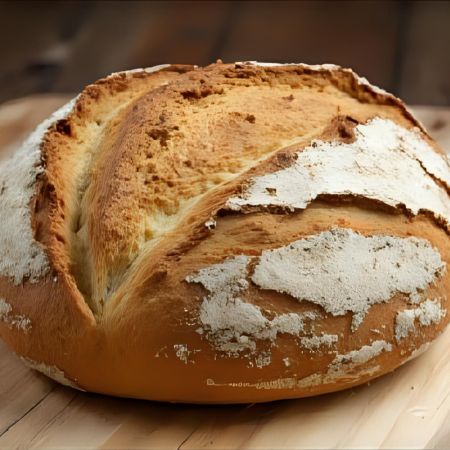
There’s something incredibly satisfying about pulling a freshly baked loaf of bread out of the oven, especially on a chilly winter day. Not only does your home smell amazing, but you’re also learning a valuable homesteading skill that can help you save money and become more self-sufficient.
If you’ve never baked bread before, winter is the perfect time to give it a try. You don’t need fancy equipment or expensive ingredients to get started. In fact, most basic bread recipes only require flour, water, yeast, and salt.
I recommend starting with a simple sandwich bread or no-knead bread recipe. Once you feel comfortable with the basics, you can experiment with sourdough, whole wheat bread, dinner rolls, and even homemade bagels.
Learning to bake bread from scratch also gives you more control over the ingredients you’re feeding your family. You can skip unnecessary additives, choose organic flour when possible, and reduce packaging waste from store-bought bread.
Plus, bread baking is a wonderful way to develop patience and learn how ingredients work together. As you practice kneading, proofing, and shaping dough, you’ll gain confidence in the kitchen.
Before long, you might find that homemade bread becomes a regular part of your homesteading routine, even after winter ends!
2. Canning and Preserving Food

Learning how to preserve food is one of the most useful homesteading skills you can develop, and you don’t have to wait until your summer garden is overflowing with produce to get started.
Winter is a great time to practice food preservation using seasonal fruits and vegetables, frozen fruit, or even produce you find on sale at the grocery store.
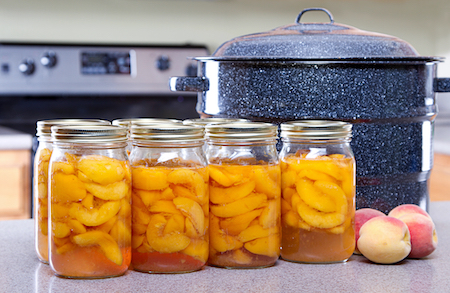
If you’re new to canning, I recommend starting with water bath canning. This method works well for properly acidified foods, such as fruit jams, jellies, and certain pickles, when you follow a tested recipe.
You can try making homemade orange marmalade, apple jelly, or a batch of pickled vegetables. Just be sure to use recipes from reliable canning resources, such as the National Center for Home Food Preservation, since safe processing methods and times are essential.
It’s also important to remember that low-acid foods, including plain vegetables and soups, require pressure canning rather than water bath canning.
Beyond canning, winter is an excellent opportunity to explore other preservation methods, including freezing, dehydrating, and fermenting.
By learning these techniques now, you’ll feel much more prepared when your garden starts producing an abundance of fresh food. You’ll also have the satisfaction of stocking your pantry with homemade foods that can help reduce waste and stretch your grocery budget.
3. Sewing and Mending Clothes

One of the easiest ways to embrace a more sustainable lifestyle is to learn how to repair the things you already own instead of immediately replacing them.
That’s why sewing and mending are such valuable homesteading skills to practice during the winter.
You don’t need a sewing machine or any previous experience to get started. A basic sewing kit with needles, thread, scissors, and a few spare buttons is enough to handle many common clothing repairs.
Related: Get Your Homestead Organized With This Homestead Planner
Start by learning how to sew on a button, repair a small tear, fix a loose seam, or patch a hole in your favorite pair of jeans. These simple skills can save you money while keeping perfectly good clothing out of landfills.
Once you’ve mastered the basics, you can try more advanced projects like hemming pants, replacing zippers, or turning old fabric into reusable household items.
I especially love the idea of repurposing worn-out clothing into cleaning rags, reusable napkins, or fabric gift bags.
Winter evenings are perfect for settling in with a sewing project while listening to music or enjoying your favorite show.
Best of all, sewing and mending are skills you’ll use for years to come, making them a worthwhile addition to your homesteading toolkit.
4. Making Homemade Soap

If you’ve ever wanted to try making your own soap, winter is a wonderful time to learn this traditional homesteading skill.
Making homemade soap allows you to customize the ingredients, avoid unnecessary fragrances and additives, and create useful products for your household.
For beginners, I recommend starting with melt-and-pour soap. This method uses a premade soap base that you gently melt, customize, and pour into molds. It’s a simple introduction to soap making because you don’t have to handle lye yourself.
You can experiment with different soap bases, such as glycerin, shea butter, or goat milk, and add ingredients like finely ground oatmeal for texture.
If you’re sensitive to fragrances or prefer simpler products, you can leave your soap completely unscented.
Once you’re comfortable with melt-and-pour soap, you might want to explore traditional cold-process soap making. This method involves combining oils with a carefully measured lye solution to create soap through a chemical reaction called saponification.
However, working with lye requires proper safety equipment, accurate measurements, good ventilation, and careful attention to instructions.
Homemade soap can also make a thoughtful gift, especially when wrapped in reusable fabric or recyclable paper.
With a little practice, soap making can become a fun and rewarding part of your sustainable homesteading routine.
5. Growing Herbs Indoors

Just because it’s cold outside doesn’t mean you have to stop growing your own food.
One of my favorite homesteading skills you can learn during the winter is growing herbs indoors. It’s an easy way to keep a little greenery in your home while enjoying fresh ingredients for cooking.
You don’t need a greenhouse or a large gardening space to get started. A sunny windowsill, a few containers, and some potting mix are often enough to grow a small herb garden.
Related: How to Start Your Own Indoor Garden for Year-Round Food
Some herbs worth trying include parsley, chives, mint, basil, and thyme. However, different herbs have different growing requirements, so it’s important to choose plants that will thrive in your available conditions.
Most culinary herbs need plenty of light, and shorter winter days can make growing indoors challenging. If your windows don’t receive enough sunlight, a simple LED grow light can help keep your plants healthy.
Make sure your containers have drainage holes, and avoid overwatering, since soggy soil can quickly lead to root problems.
I recommend starting with two or three herbs you regularly use in your cooking. This makes it easier to care for your plants while learning their individual needs.
As your confidence grows, you can expand your indoor herb garden and even try propagating plants from cuttings.
By spring, you’ll have developed useful gardening skills and enjoyed fresh, homegrown herbs throughout the winter.
6. Making Homemade Cleaning Products

If you’re looking for an easy way to make your home more sustainable, learning how to make your own cleaning products is a great place to start.
Winter is the perfect time to experiment with homemade cleaners, especially when you’re spending more time indoors and want to keep your home feeling fresh and clean.
One of my favorite things about DIY cleaning products is that you can often make them using inexpensive ingredients you already have in your pantry. White vinegar, baking soda, castile soap, and washing soda are all useful ingredients for different cleaning tasks.
For example, you can make a simple glass cleaner using diluted vinegar or create a gentle scrubbing paste with baking soda and water. Castile soap diluted according to the manufacturer’s instructions can also work well for many everyday cleaning jobs.
Making your own cleaners allows you to control the ingredients, avoid unnecessary fragrances, and reduce the number of single-use plastic bottles you purchase.
However, it’s important to remember that natural doesn’t always mean safe for every surface. Vinegar can damage natural stone, and you should never mix vinegar with bleach or other disinfectants.
Start with one or two simple recipes and see what works best for your household. Before long, you may discover that keeping your home clean doesn’t require a cabinet full of expensive products.
7. Knitting and Crocheting

There’s something especially cozy about learning to knit or crochet during the winter. You can curl up with a warm blanket, enjoy a cup of tea, and create something useful with your own two hands.
Knitting and crocheting are traditional homesteading skills that allow you to make practical household items instead of purchasing everything new.
If you’ve never tried either craft, don’t worry! Both are beginner-friendly with a little patience and practice.
Crocheting uses a single hook, while knitting typically uses two needles. You can find plenty of free beginner tutorials online that teach you the basic stitches and techniques.
I recommend starting with a simple project like a dishcloth, scarf, or reusable cotton cleaning cloth. These projects don’t require complicated patterns, and they’re a wonderful way to practice while creating something you’ll actually use.
Related: Genius Ways You Can Make Money on Your Homestead
As your skills improve, you can try making blankets, hats, sweaters, reusable market bags, and even homemade gifts.
For a more sustainable approach, consider choosing natural fibers, using leftover yarn from other projects, or unraveling old sweaters to reuse the yarn.
You can also look for secondhand knitting needles, crochet hooks, and yarn at thrift stores.
Best of all, knitting and crocheting are relaxing hobbies that can help you slow down and enjoy the quieter winter months while learning a skill that will last a lifetime.
8. Learning to Dehydrate Food

Food dehydration is another valuable homesteading skill you can practice throughout the winter, even when your garden isn’t producing fresh fruits and vegetables.
Dehydrating removes moisture from food, helping slow the growth of microorganisms and allowing properly dried and stored foods to last much longer.
It’s also a fantastic way to reduce food waste and preserve seasonal produce before it spoils.
If you’re new to dehydrating, I recommend starting with something simple like apple slices, banana chips, or dried herbs. These are easy beginner projects that can help you learn how drying times and temperatures affect different foods.
You can use a food dehydrator or, for certain foods, an oven with a sufficiently low temperature setting. A dedicated dehydrator generally offers better airflow and more consistent results.
One of my favorite things about dehydrating is how versatile the finished products can be.
Dried fruits make convenient snacks, while dehydrated vegetables can be added to soups and stews. You can also dry herbs to create your own homemade seasoning blends.
For the best results, follow tested dehydration instructions for each food, dry everything thoroughly, and store the finished products in airtight containers in a cool, dark place.
Be sure to check stored foods for moisture or mold, and discard anything that shows signs of spoilage.
Once you’ve mastered the basics, you’ll be ready to preserve even more of your garden harvest when the growing season returns.
9. Starting Seeds Indoors

If you’re already dreaming about your spring garden, winter is the perfect time to learn how to start seeds indoors.
Starting your own seeds is one of the most rewarding homesteading skills because it allows you to grow a wider variety of plants while potentially saving money on nursery transplants.
Plus, there’s something exciting about watching tiny seedlings emerge from the soil when it’s still cold outside!
You don’t need an elaborate setup to get started. A few seed trays, seed-starting mix, seeds, and a good light source are usually enough.
Related: Your Complete Zone 7 Seed Starting Planner
I recommend beginning with easy-to-grow vegetables and herbs, such as tomatoes, peppers, basil, or lettuce, depending on your climate and planting schedule.
Before planting, check your area’s average last frost date and the instructions on your seed packets. Some plants need to be started indoors several weeks before transplanting, while others grow better when directly sown outdoors.
One of the biggest mistakes beginners make is not providing enough light. Seedlings need strong, consistent lighting to develop sturdy stems, so a grow light can be a worthwhile investment.
You’ll also want to keep the seed-starting mix evenly moist without making it soggy.
As your seedlings grow, you’ll learn valuable skills like thinning, transplanting, and hardening off plants before moving them outdoors.
By the time spring arrives, you’ll have healthy young plants ready for your garden and the confidence to start even more seeds next year.
10. Making Homemade Candles

Making homemade candles is a fun and practical homesteading skill that’s especially enjoyable during the colder winter months.
Not only can you create beautiful candles for your home, but you can also make thoughtful handmade gifts for friends and family.
One of the best things about candle making is that you can customize your candles to suit your preferences. You can choose the type of wax, container, wick, and whether to include any fragrance.
For a more natural approach, consider experimenting with beeswax or soy wax. Both are popular alternatives to conventional paraffin wax, although their environmental impacts depend on factors like sourcing and production.
Related: The Best Non-Toxic Candles for Your Home
If you’re just getting started, I recommend using a beginner candle-making kit. This makes it easier to learn the basics without having to purchase a large collection of supplies.
You’ll learn how to melt wax safely, choose the appropriate wick, pour candles, and allow them to cool properly.
It’s important to follow candle-making safety guidelines, use heat-resistant containers, and test your finished candles for safe burning. Never leave melting wax unattended or heat it directly over an open flame.
If you’re sensitive to fragrances, you can make completely unscented candles, which can be just as lovely as scented varieties.
You can even reuse suitable candle containers after thoroughly cleaning and inspecting them, although not every glass jar is safe for candle making.
With a little creativity and practice, you’ll have a new homesteading skill that combines sustainability, practicality, and the simple pleasure of making something by hand.
11. Learning to Ferment Foods

If you’ve ever wanted to try making your own sauerkraut, kimchi, or fermented vegetables, winter is a wonderful time to learn this traditional homesteading skill.
Fermentation has been used for centuries to preserve food. It’s a great way to turn simple ingredients into flavorful additions to your meals.
One of my favorite things about fermenting foods is that you don’t need a lot of expensive equipment to get started. In many cases, all you need is a clean glass jar, fresh vegetables, salt, and a few basic supplies.
I recommend starting with homemade sauerkraut. It’s one of the easiest fermentation projects for beginners because you only need cabbage and the correct amount of salt.
As you become more comfortable with the process, you can experiment with fermented carrots, radishes, and other vegetables.
Fermentation works by encouraging beneficial microorganisms to produce acids that help preserve food. However, it’s important to follow tested recipes, use the proper salt concentration, and keep vegetables submerged beneath the brine.
You’ll also want to pay attention to fermentation temperatures and signs of spoilage to make sure your food remains safe to eat.
Once you’ve mastered the basics, fermenting can become a regular part of your homesteading routine. It’s a rewarding way to preserve vegetables, reduce food waste, and add delicious homemade foods to your pantry and refrigerator.
12. Planning and Designing a Garden

While your garden might be resting during the winter, that doesn’t mean you have to stop gardening altogether!
In fact, winter is one of the best times to plan next year’s garden because there’s less pressure to keep up with watering, weeding, harvesting, and all the other tasks that come with the growing season.
Start by thinking about what worked well in your garden last year and what you’d like to improve.
Did certain vegetables produce more than you expected? Were some plants constantly struggling? Did you wish you had planted more herbs or flowers?
Use those observations to create a garden plan that makes better use of your space, time, and resources.
Related: The Ultimate Garden Planner to Grow Your Best Harvest Ever
I recommend sketching out your garden beds and deciding where you’d like to grow different crops. Consider each plant’s sunlight requirements, mature size, spacing needs, and growing season.
You can also research crop rotation, companion planting, and succession planting to help make your garden more productive.
Winter is a great time to organize your seed collection, browse seed catalogs, and create a planting calendar based on your growing zone and local climate.
If you’re new to gardening, start with a few vegetables your family regularly eats rather than trying to grow everything at once.
By the time planting season arrives, you’ll have a thoughtful plan that can help you save money, avoid unnecessary purchases, and make the most of your garden space.
13. Making Homemade Herbal Remedies

Learning how to work with herbs is another traditional homesteading skill that can be especially enjoyable during the winter.
Even when your outdoor herb garden isn’t growing, you can use dried herbs to practice making herbal teas, infused oils, salves, and other homemade preparations.
I love that learning about herbs encourages you to become more familiar with the plants growing around you and discover how people have traditionally used them.
If you’re a beginner, I recommend starting by learning about a few common herbs, such as chamomile, peppermint, calendula, and lavender.
Research how to identify each herb, which parts of the plant are commonly used, and how to prepare and store them properly.
For example, you might try blending dried herbs into a comforting tea or making a calendula-infused oil that can be used in a simple homemade skin balm.
As your confidence grows, you can learn additional techniques, such as preparing herbal infusions and creating salves with beeswax.
However, it’s important to remember that natural remedies aren’t automatically safe or effective. Some herbs can cause allergic reactions, interact with medications, or be unsuitable during pregnancy or for certain medical conditions.
Always research safety information from reliable sources before using herbal preparations, and don’t use them as substitutes for necessary medical care.
With patience and practice, you’ll develop a deeper understanding of herbs while learning a useful skill that connects gardening, traditional knowledge, and sustainable living.
14. Learning to Compost

Composting might seem like a warm-weather activity, but winter is actually a great time to learn how to turn kitchen scraps and yard waste into nutrient-rich material for your garden.
Composting is one of my favorite sustainable homesteading practices because it helps reduce household waste while creating a valuable soil amendment.
If you’ve never composted before, start by learning the difference between green and brown materials.
Green materials include things like fruit and vegetable scraps, coffee grounds, and fresh plant trimmings. Brown materials include dried leaves, shredded cardboard, and other carbon-rich ingredients.
Related: How You Can Start Composting Even if You Live in an Apartment
A healthy compost pile needs a good balance of these materials, along with moisture and oxygen, to support decomposition.
If you live somewhere with freezing winter temperatures, your outdoor compost pile might slow down or temporarily stop decomposing. However, you can still collect appropriate materials and add them to your pile throughout the season.
If you don’t have much outdoor space, consider learning about vermicomposting, which uses worms to break down food scraps in a properly maintained indoor bin.
I recommend starting small and learning which materials are suitable for your composting method.
Avoid adding meat, dairy, and oily foods to a typical backyard compost pile because they can attract pests and create unpleasant odors.
By spring, you’ll have a better understanding of composting and may even have finished compost ready to nourish your garden.
15. Cooking From Scratch

One of the most practical homesteading skills you can learn during the winter is cooking more of your meals from scratch.
When the weather is chilly and you’re spending more time indoors, there’s something especially comforting about preparing homemade soups, stews, and other hearty meals.
Cooking from scratch doesn’t mean you have to spend hours in the kitchen every day. Instead, it’s about learning how to prepare simple foods using basic ingredients rather than relying on expensive convenience products.
I recommend starting with a few staples you regularly purchase at the grocery store.
Related: 100+ Delicious Vegetarian Recipes Your Entire Family Will Love
For example, you can learn how to make homemade vegetable broth using vegetable scraps, prepare pasta sauce from canned tomatoes, or cook dried beans instead of buying canned varieties.
Once you feel comfortable with those basics, try making homemade pasta, tortillas, salad dressings, or even your own yogurt using an appropriate starter culture.
Cooking from scratch also gives you more control over the ingredients in your meals and can help reduce packaging waste.
Plus, learning how to use leftovers creatively can stretch your grocery budget and keep perfectly good food from going to waste.
You don’t have to make everything from scratch to enjoy the benefits. Even replacing a few store-bought staples with homemade versions can make a meaningful difference.
Over time, these small changes can help you build a more sustainable, self-sufficient kitchen that serves you well throughout the year.
Make the Most of Winter by Learning New Homesteading Skills

Winter might be a quieter season on the homestead, but that doesn’t mean you have to put your self-sufficiency goals on hold. In fact, it’s the perfect opportunity to slow down, try something new, and develop practical skills that will benefit you throughout the year.
Remember, you don’t have to master everything at once! I recommend choosing one or two skills that interest you most and building your confidence from there. Even small steps toward a more sustainable lifestyle can make a big difference over time.
By using the colder months to expand your knowledge and practice new skills, you’ll be better prepared for the busy growing season and one step closer to creating a more self-sufficient home.