How to Make a DIY Mosquito Repellent
Say Goodbye to Bugs With a DIY Mosquito Repellent
If you’re wondering how to make a DIY mosquito repellent that actually works and doesn’t come with a list of questionable ingredients, you’re in the right place. I’ve tried all sorts of natural bug repellents over the years with some hits, some definite misses. Fortunately, I’ve finally landed on a simple, effective recipe that keeps those pesky mosquitoes away without harsh chemicals.
Whether you’re relaxing on the porch, tending to your garden, or getting ready for a camping trip, this post will walk you through how to make a DIY mosquito repellent that’s safe, non-toxic, and easy to whip up with ingredients you might already have at home.
Don’t have time to DIY? That’s OK! Just check out this list of the best natural bug repellents for the entire family and these incredibly effective natural mosquito repellents that are good for your yard and family.
Why Make Your Own Mosquito Repellent?
Let’s be honest, mosquitoes can ruin even the most peaceful evening outdoors. While it’s tempting to grab a store-bought spray and call it a day, many conventional bug repellents contain harsh chemicals that can do more harm than good. That’s why learning how to make your own mosquito repellent is a game changer.
When you make your own repellent, you get to control exactly what goes on your skin and into your environment. No mystery ingredients. No artificial fragrances. Just plant-based, non-toxic goodness.
Most DIY recipes use essential oils like citronella, eucalyptus, and lavender. All of these are effective at keeping mosquitoes away without the potential side effects of synthetic chemicals.
Related: The Most Effective Herbal Remedies for Mosquito Bites
I also love that DIY mosquito repellent is budget-friendly. Once you have a few key ingredients on hand, you can whip up a batch whenever you need it.
Plus, it’s easy to customize. Want something kid-safe? Prefer a lighter scent? You’re in charge.
Finally, making your own repellent is better for the planet. Many store-bought sprays come in plastic packaging and contain ingredients that can harm aquatic life when washed off. A homemade option cuts back on waste and supports a more sustainable lifestyle.
If you’re looking for a safer, greener way to keep mosquitoes at bay, creating your own repellent is a simple step that makes a big impact for your health, your wallet, and the Earth.
How to Make a DIY Mosquito Repellent Spray

Are you ready to mix up your own bug spray? It’s easier than you might think! Here’s a simple recipe I’ve used and loved. It smells great, works well, and only takes a few minutes to put together.
Ingredients:
- 2 oz witch hazel (acts as a preservative and helps disperse the oils)
- 2 oz distilled water
- 30 drops citronella essential oil
- 10 drops eucalyptus essential oil
- 10 drops lavender essential oil
- 10 drops tea tree or peppermint essential oil (optional but adds extra punch)
- 1 small glass spray bottle
Instructions:
- Add your essential oils to the empty spray bottle.
- Pour in the witch hazel.
- Add the distilled water last.
- Screw on the cap, shake well, and label the bottle with the date and ingredients.
Shake before each use to evenly distribute the oils. Spray it onto exposed skin, clothing, or even around doors and windows when you’re sitting outside.
This spray is gentle enough for adults and older kids, but for little ones or sensitive skin, you should reduce the essential oil amounts by half. Keep it stored in a cool, dark place and use within a few months for best results.
Making your own DIY mosquito repellent spray not only saves you money, but it also gives you peace of mind knowing exactly what you’re using to protect your skin.
How to Use Your Homemade Repellent Effectively
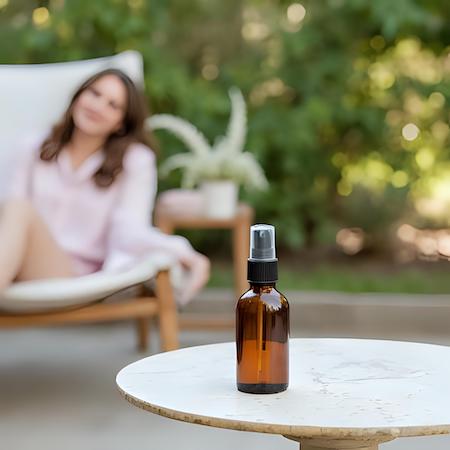
Using your DIY mosquito repellent the right way can make a big difference in how well it works and how long it lasts.
First, always shake the bottle before each use. Essential oils don’t naturally mix with water, so giving it a quick shake ensures you’re getting the full effect with every spray.
Apply the repellent to clean, dry skin, focusing on areas mosquitoes love to bite, such as ankles, arms, neck, and behind the ears. You can also lightly mist your clothing, especially around cuffs and collars.
If you’re spraying it on your face, spray it onto your hands first and gently pat it on, avoiding your eyes and mouth.
Most natural mosquito repellents will last about 1-2 hours before needing to be reapplied. If you’re sweating, swimming, or in a heavily infested area, you may need to reapply more often.
Keep your spray stored in a cool, dark place like a bathroom cabinet or pantry. If you’re taking it outside on a hot day, try wrapping the bottle in a towel or keeping it in a shaded bag to help the oils stay stable.
Using your homemade repellent the right way helps maximize its effectiveness and makes your outdoor time more comfortable and bite-free.
Other Natural Ways to Keep Mosquitoes Away
A good DIY repellent is a great start, but pairing it with other natural mosquito-fighting strategies can really up your game. Here are some of my favorite tips for keeping mosquitoes away without any chemicals required.
1. Ditch Standing Water
Mosquitoes lay eggs in standing water, so check around your yard regularly. Dump out buckets, empty birdbaths every few days, and clean your gutters. Even small amounts of water in flowerpot saucers or kids’ toys can become breeding grounds.
If you have standing water that you can’t empty out, such as rain barrels, you can add these mosquito dunks to eliminate larvae before they even hatch. We use them in our rain barrels and they’re highly effective.
Best of all, they’re made with a bacteria that’s only toxic to mosquito larvae. That means they’re safe and non-toxic to all other wildlife, pets, fish, and humans.
2. Grow Mosquito-Repelling Plants
Certain herbs and flowers naturally repel mosquitoes with their strong scents. You can plant them around your patio or in pots by the door to drive mosquitoes away without any toxic sprays. As an added bonus, not only are these plants beautiful, but some of them are also edible!
3. Use Fans Outdoors
Mosquitoes are actually pretty weak fliers, so a fan on your porch or picnic table can make it tough for them to land. It’s one of the easiest and most effective ways to enjoy a bug-free zone and a refreshing breeze.
4. Burn Natural Candles
Citronella or lavender candles can help create a mosquito-free zone when you’re hanging out outside. Just make sure you’re using candles made with real essential oils and soy or beeswax instead of paraffin.
Related: Enjoy Sustainable Ambiance With the Best Non-Toxic and Natural Candles
5. Wear Light-Colored, Loose Clothing
Mosquitoes are attracted to dark colors and tight clothing. Wearing something light and breathable helps reduce bites, especially around dusk when they’re most active.
Combining these natural methods with your DIY repellent creates a well-rounded defense that keeps those pesky bugs at bay without harming the planet.
Ingredients to Avoid in Conventional Bug Sprays
It’s no secret that many store-bought insect repellents are packed with powerful chemicals. While they might be effective, they’re not always the safest option, especially for children, pregnant people, or anyone with sensitive skin. Here are a few ingredients I always try to avoid:
1. DEET (N,N-Diethyl-meta-toluamide)
One of the most common ingredients in commercial repellents, DEET is known for its strong effectiveness, but it can irritate the skin and eyes. In rare cases, especially when over-applied, it has been linked to neurological issues. Plus, it’s toxic to aquatic life and can damage certain plastics and synthetic fabrics.
2. Picaridin
While it’s generally considered safer than DEET, picaridin is still a synthetic compound. Though it’s odorless and less greasy, it’s relatively new, and long-term studies on its environmental impact are limited.
3. Synthetic Fragrances
Many sprays include artificial scents that can trigger allergies or asthma. These “fragrance” ingredients are often trade secrets, meaning companies don’t have to disclose what’s actually in them.
4. Petroleum-Based Carriers
Some sprays use petroleum byproducts to help disperse the active ingredients. These aren’t eco-friendly and can clog pores or irritate the skin.
When you learn how to make a DIY mosquito repellent, you’re skipping all of these potential hazards. Instead, you’re choosing plant-based oils and safe carriers that are kinder to your body and the Earth.
FAQs About DIY Mosquito Repellent

Is DIY mosquito repellent really effective?
Yes, if you use the right essential oils and apply it correctly. Citronella, eucalyptus, peppermint, and lavender are all proven to help repel mosquitoes. That said, homemade sprays typically don’t last as long as chemical ones, so you’ll need to reapply more often.
How long does it last?
Most homemade mosquito repellents will work for 1 to 2 hours. The scent of the essential oils fades over time, so you’ll want to reapply if you’re outside for longer periods and if you’re sweating or swimming.
Is it safe for kids?
Yes, with a few adjustments. Always dilute the oils properly and avoid strong oils like clove or peppermint for babies and toddlers. Lavender and lemon eucalyptus (for kids over 3) are gentler options. Always do a patch test first.
Can I use it on pets?
I would not recommend using this DIY mosquito repellent on pets. Some essential oils are toxic to pets, especially cats. It’s best to avoid spraying your homemade repellent directly on your furry friends. If you’re looking for a pet-safe version, skip the essential oils and consult a vet for natural alternatives.
Can I use it on my clothes?
Absolutely! Spraying your clothes (especially around ankles and cuffs) is a great way to boost protection. Just make sure you test the spray on a small patch first. Some fabrics may react to the oils or alcohol.
Do I need to refrigerate it?
No, but storing your spray in a cool, dark place helps preserve the oils and extend the shelf life. If you’re using water in your recipe, try to use distilled water to prevent bacterial growth.
Final Thoughts on Making Your Own DIY Mosquito Repellent
Learning how to make a DIY mosquito repellent is one of those simple, satisfying swaps that just makes sense. Not only are you protecting your skin from bites, but you’re also avoiding harsh chemicals, reducing waste, and embracing a more natural way of living.
Once I made the switch, I never looked back. Now, it’s just part of our summertime routine.
Whether you’re mixing up a spray for backyard barbecues, packing a roll-on for hikes, or planting mosquito-repelling herbs around your patio, every little step adds up. The key is finding what works best for you and your lifestyle.
Plus, the best part is that you can feel good knowing you’re keeping your family safe and supporting a healthier planet at the same time!